
Strait of Hormuz Standoff: IRGC Declares New ‘Smart Control’ Zone Amidst Fragile Diplomatic Talks
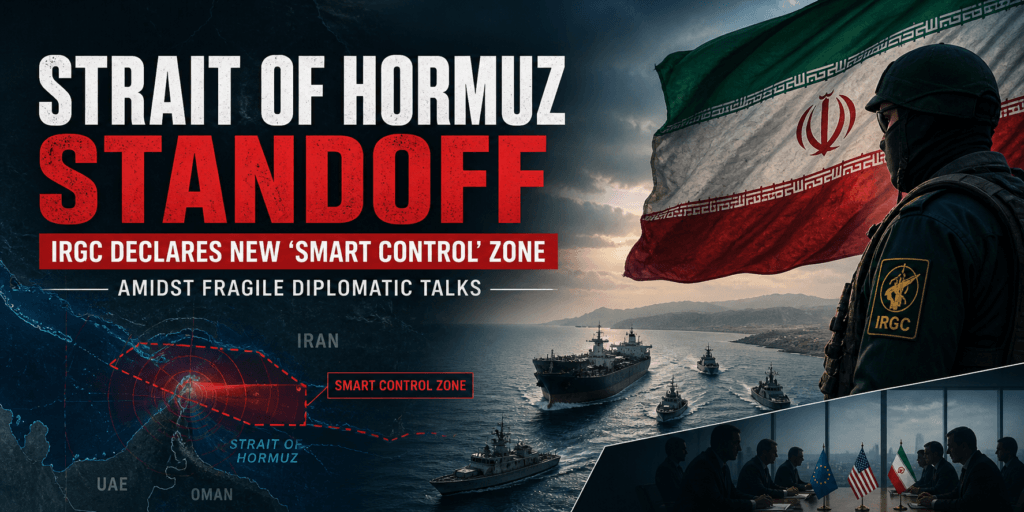
The geopolitical landscape of the Persian Gulf has shifted dramatically as Iran’s Islamic Revolutionary Guard Corps (IRGC) officially declared a new “smart control” maritime zone within the Strait of Hormuz. Announced on Monday, May 4, 2026, this strategic maneuver asserts tightened Iranian oversight over one of the world’s most critical energy transit corridors, further complicating the already precarious regional security environment.
This military assertion arrives at a pivotal moment, as back-channel diplomatic exchanges—facilitated by Pakistani mediation—are simultaneously unfolding between Tehran and Washington. While the IRGC’s new maritime posture signals a hardened stance, both the U.S. and Iran remain engaged in high-stakes negotiations to prevent further escalation, even as their public rhetoric remains sharply divided over the terms of a potential ceasefire.
Table of Contents
ToggleDefining the New Maritime ‘Smart Control’ Zone
The IRGC has released detailed geographical parameters for this newly designated control area, which they claim is necessary for maintaining maritime security.
Officials have issued stern warnings to foreign vessels operating in these waters, stating that compliance with new navigational directives is now mandatory. Key details regarding the geography and enforcement of this zone include:

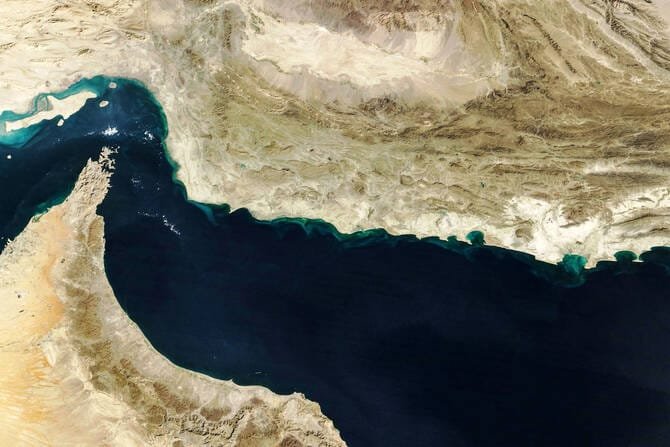
- The zone’s eastern boundary stretches from Mount Mobarak on the Iranian coast to the area south of the UAE port city of Fujairah.
- The western boundary is defined by a line running from the southern tip of Iran’s Qeshm Island to the coastline of Umm Al Quwain in the UAE.
- IRGC naval directives state that all commercial traffic must now coordinate with Iranian authorities to ensure “smart” passage through these corridors.
- Tehran has warned that any foreign military interference, particularly efforts to escort or guide vessels within these coordinates without permission, will be treated as a violation of the ceasefire.
- Iranian media outlets have already reported that preliminary warnings were issued to non-compliant vessels found encroaching on these newly established limits.
The 14-Point Diplomatic Proposal
Parallel to the heightened military posturing, a fragile diplomatic exchange is underway. Iranian Foreign Ministry spokesperson Esmail Baghaei confirmed that Tehran is currently reviewing a counter-proposal from the U.S., delivered through Islamabad. The current state of these negotiations is defined by the following complex variables:
- The Iranian 14-point proposal is strictly focused on an immediate cessation of hostilities and the lifting of the U.S.-led maritime blockade within a 30-day window.
- Tehran has explicitly rejected linking the current conflict resolution to its nuclear program, dismissing recent speculation about enrichment talks as premature and irrelevant.
- Iranian officials have criticized the American counter-proposal, characterizing it as containing “excessive and unreasonable demands” that make a swift review difficult.
- President Donald Trump has expressed contradictory reactions, initially calling the Iranian offer “not acceptable” while later signaling on social media that his representatives are engaged in “very positive discussions.”
- Both nations have reiterated their rejection of negotiations conducted under strict deadlines or ultimatums, maintaining a slow and cautious pace in their indirect communication.

U.S. Response: Project Freedom
In response to the growing maritime crisis, U.S. President Donald Trump has announced the launch of “Project Freedom,” a comprehensive operation aimed at assisting commercial vessels that have been effectively locked up in the Strait of Hormuz since the conflict began.
Washington maintains that its mission is purely navigational and humanitarian, intended to guide stranded ships to safety. However, the deployment of U.S. naval assets into waters that Tehran now claims as a “smart control” zone has significantly increased the risk of accidental military engagement.
Tehran Dismisses Nuclear Speculation
Amidst the naval standoff, Iranian officials have been quick to decouple the current maritime negotiations from the country’s atomic program. Foreign Ministry spokesperson Esmail Baghaei addressed recent media reports, dismissing them as “purely speculative.”
He explicitly stated that at this current stage, Tehran is not engaging in any discussions regarding nuclear enrichment or materials. The government’s messaging remains focused entirely on ending the immediate conflict, signaling that the nuclear file remains a separate and non-negotiable issue for the time being.
Regional Security and Energy Implications
The declaration of this “smart control” zone has put global energy markets and regional security analysts on high alert. With approximately one-fifth of the world’s oil passing through these waters, the intersection of U.S. naval escort operations and Iran’s enforcement of its new maritime boundaries creates a volatile environment. Regional neighbors are watching the standoff closely, fearing that any miscalculation or military friction could trigger a wider collapse of the fragile ceasefire that has been in place since early April.
The Path Forward
As of Monday, the situation remains a stalemate of diplomacy versus military posturing. While President Trump has described the U.S. rejection of certain Iranian terms as a necessary stance, the continuation of talks indicates that neither side has completely abandoned the prospect of a deal.
The coming days will be critical, as the international community assesses whether the current back-channel discussions via Islamabad can mitigate the rising threat of direct confrontation in the Strait of Hormuz.
Author: M Jyosri
Electoral Controversy: ECI Orders Repolling in Bengal After EVM Tape Incident The integrity of the Phase 2 Assembly elections in […]
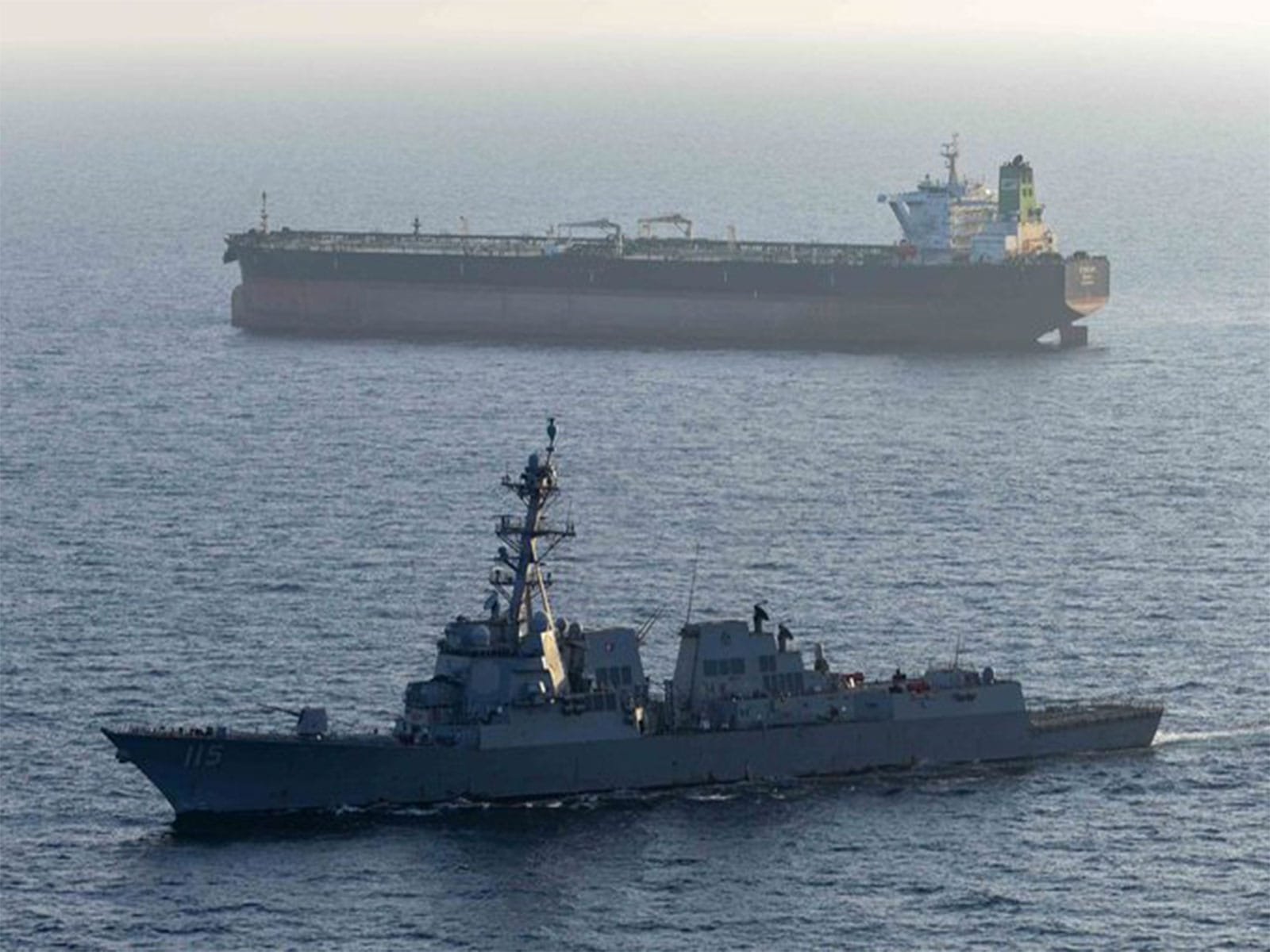
High-Stakes Naval Standoff: US Destroyer Intercepts Iranian Tanker Amid Rising Tensions
The USS Rafael Peralta has significantly heightened the ongoing naval standoff by intercepting the Iranian crude oil tanker, M/T Stream, this past …

Market Turbulence: The Indian Stock Market Faces a Red Session
Market Turbulence: The Indian Stock Market Faces a Red Session The Indian stock market felt the heat during Tuesday’s trading […]

“Whistle Podu” Moment: Actor Vijay Scripts Blockbuster Political Debut In a dramatic twist worthy of the silver screen, actor-turned-politician C. […]
PM Modi Honors Maharashtra Day 2026 with Special Commemoration Prime Minister Narendra Modi extended his warm greetings to Maharashtra Chief […]
India and New Zealand Sign Historic Once-in-a-Generation Trade Deal
India and New Zealand Sign Historic Once-in-a-Generation Trade Deal In a monumental development for the global economy, India and New […]


