

"Turnaround after sundown": Mamata predicts a comeback despite BJP lead
In a political earthquake that has reshaped the landscape of eastern India, the Bharatiya Janata Party (BJP) has crossed the majority mark in the 2026 West Bengal Assembly Elections, effectively ending Mamata Banerjee’s 15-year reign.
As of Monday afternoon, the BJP surged ahead in nearly 200 seats, leaving the Trinamool Congress (TMC) struggling to cross the 100-seat threshold—a stunning reversal for the party that dominated the state with 213 seats just five years ago.
Table of Contents
ToggleA Historic Shift: BJP’s Rise to Power
The 2026 election results mark a definitive end to the TMC’s long-standing dominance. With the BJP poised to form its first-ever government in the state, the political map of West Bengal has undergone a complete transformation.
From the traditional strongholds of North Bengal to the urban centers and even the historically TMC-leaning Presidency region, the saffron wave has swept through, signaling a decisive mandate for change.

Voter Turnout and the Impact of the Special Intensive Revision (SIR)
A record-breaking voter turnout of 92.47% across two phases indicated a highly energized electorate eager to participate in the democratic process. A key driver of this shift was the Special Intensive Revision (SIR) of electoral rolls, which saw the removal of approximately 8.9 million names.
While Mamata Banerjee decried the exercise as a central conspiracy to disenfranchise her base, analysts suggest that the cleanup significantly neutralized the TMC’s traditional booth-level management, allowing the BJP to consolidate its grassroots influence more effectively than ever before.
Factors Driving the Shift: From Anti-Incumbency to Strategic Consolidation
Several factors contributed to this landslide, with the BJP successfully capitalizing on deep-seated anti-incumbency and a high-stakes narrative of “Asol Poriborton” (Real Change).
- Issues of Governance: Public anger surrounding the RG Kar case and various recruitment scams created a “silent anti-incumbency” that welfare schemes like Lakshmir Bhandar could no longer suppress.
- Strategic Campaigning: The BJP’s aggressive local leadership, spearheaded by Suvendu Adhikari, ran a highly organized campaign that effectively bridged the gap between national narratives and local issues.
- Consolidated Anti-TMC Vote: Unlike in previous elections, the BJP managed to unify the opposition vote, effectively preventing the “Left-Congress” alliance from acting as a spoiler in key constituencies.

Internal Fragmentation: The TMC’s Internal Struggles
The decline of the TMC was not merely an external defeat but the result of significant internal fragmentation. The rise of splinter groups like the Aam Janata Unnayan Party (AUJP), led by former TMC loyalist Humayun Kabir, exposed deep-seated resentment against a perceived “nephew-centric” power structure within the party.
This sentiment of “institutionalized loot” resonated deeply with grassroots workers and former party stalwarts who felt alienated by the central leadership, leading to a cascade of high-profile defections that weakened the TMC’s organizational backbone throughout the 2026 cycle.
Mamata Banerjee’s Stance and the Political Aftermath
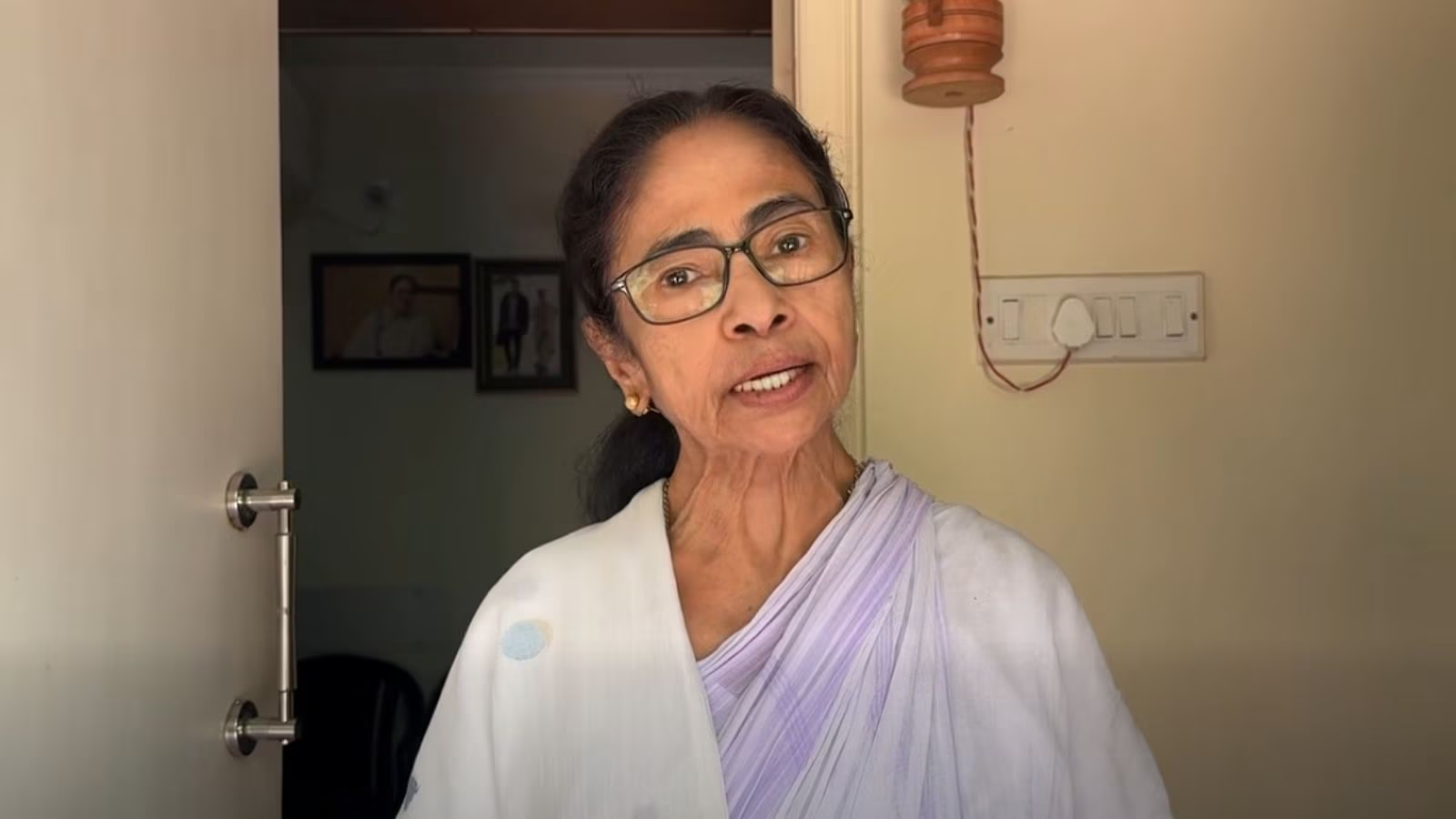
Despite the overwhelming trends, Chief Minister Mamata Banerjee has remained defiant. Releasing a video alleging “irregularities” and claiming the Election Commission and central forces were working in tandem, she has urged her supporters to “not lose heart.”
However, the results show a collapse of the “Ma, Mati, Manush” stronghold even in her own bastion of Bhabanipur, where the margin was significantly narrower than in previous contests. The “street fighter” persona, which defined her 2011 and 2021 victories, faced diminishing returns as voters increasingly sought a change in governance.
Looking Ahead: A New Political Era for Bengal
The transition from a state of agitation to a state of defeat marks the end of an era in West Bengal politics. As the BJP prepares to take the reins of government, the state enters a new chapter.
The record participation and the decisive shift in favor of the BJP suggest that West Bengal is ready to pivot from its long-standing focus on confrontational identity politics toward a focus on development, infrastructure, and administrative reform.
Author: M Jyosri
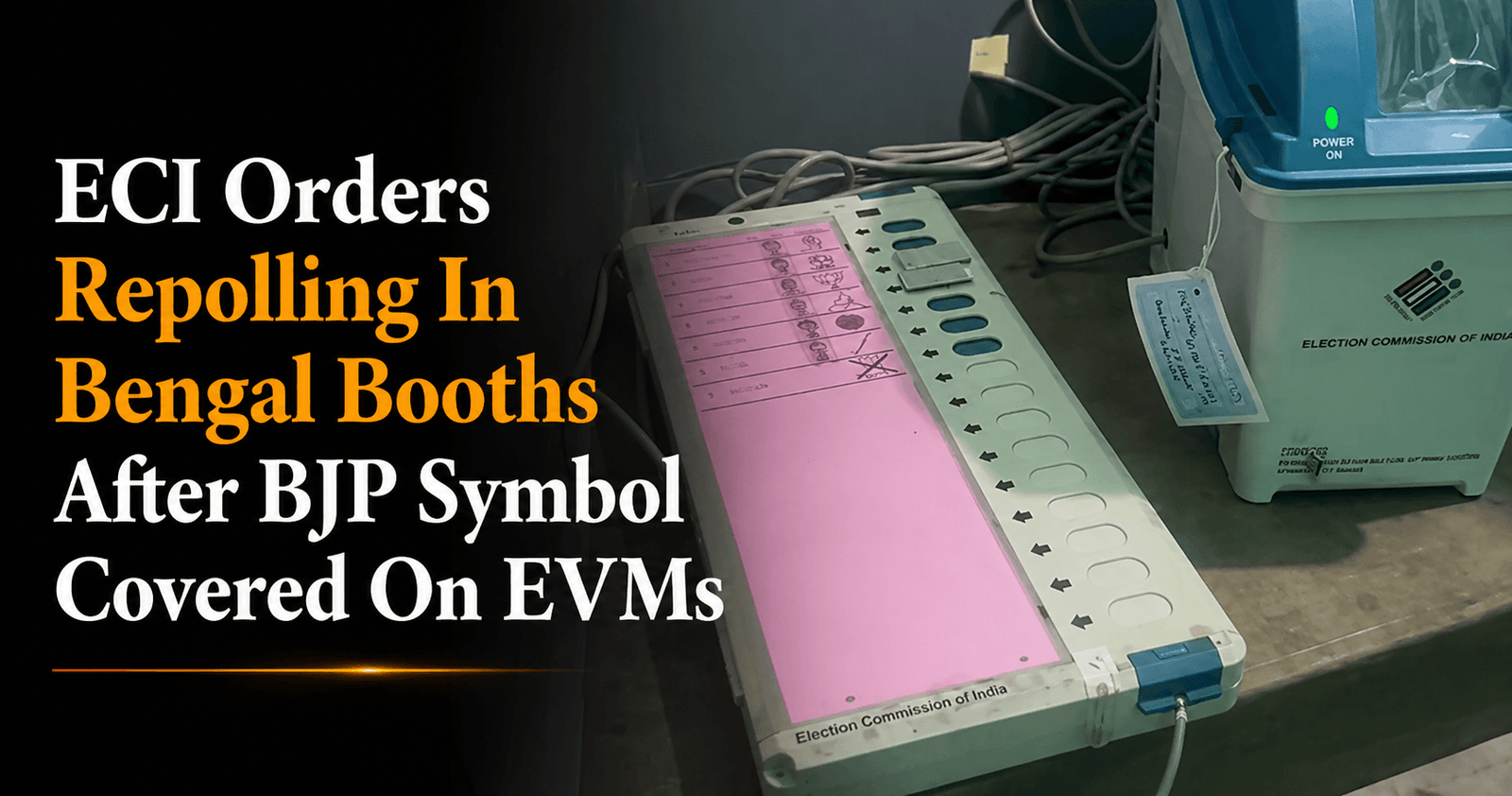
Electoral Controversy: ECI Orders Repolling in Bengal After EVM Tape Incident The integrity of the Phase 2 Assembly elections in […]

High-Stakes Naval Standoff: US Destroyer Intercepts Iranian Tanker Amid Rising Tensions
High-Stakes Naval Standoff: US Destroyer Intercepts Iranian Tanker Amid Rising Tensions The USS Rafael Peralta has significantly heightened the ongoing […]

Market Turbulence: The Indian Stock Market Faces a Red Session
Market Turbulence: The Indian Stock Market Faces a Red Session The Indian stock market felt the heat during Tuesday’s trading […]

Kangana Ranaut Set to Honor Unsung Heroes in Bharat Bhhagya Viddhaata This June The makers of the highly anticipated film […]
India and Vietnam Forge Stronger Future with Enhanced Strategic Partnership The diplomatic landscape between New Delhi and Hanoi has reached […]
India Confirms Seafarer Safety Across Gulf Amidst Maritime Calm The Ministry of Ports, Shipping, and Waterways has delivered a reassuring […]


