
Tensions Hit New Peak in the Gulf as Sanctioned Tankers Navigate US Blockade Perimeters
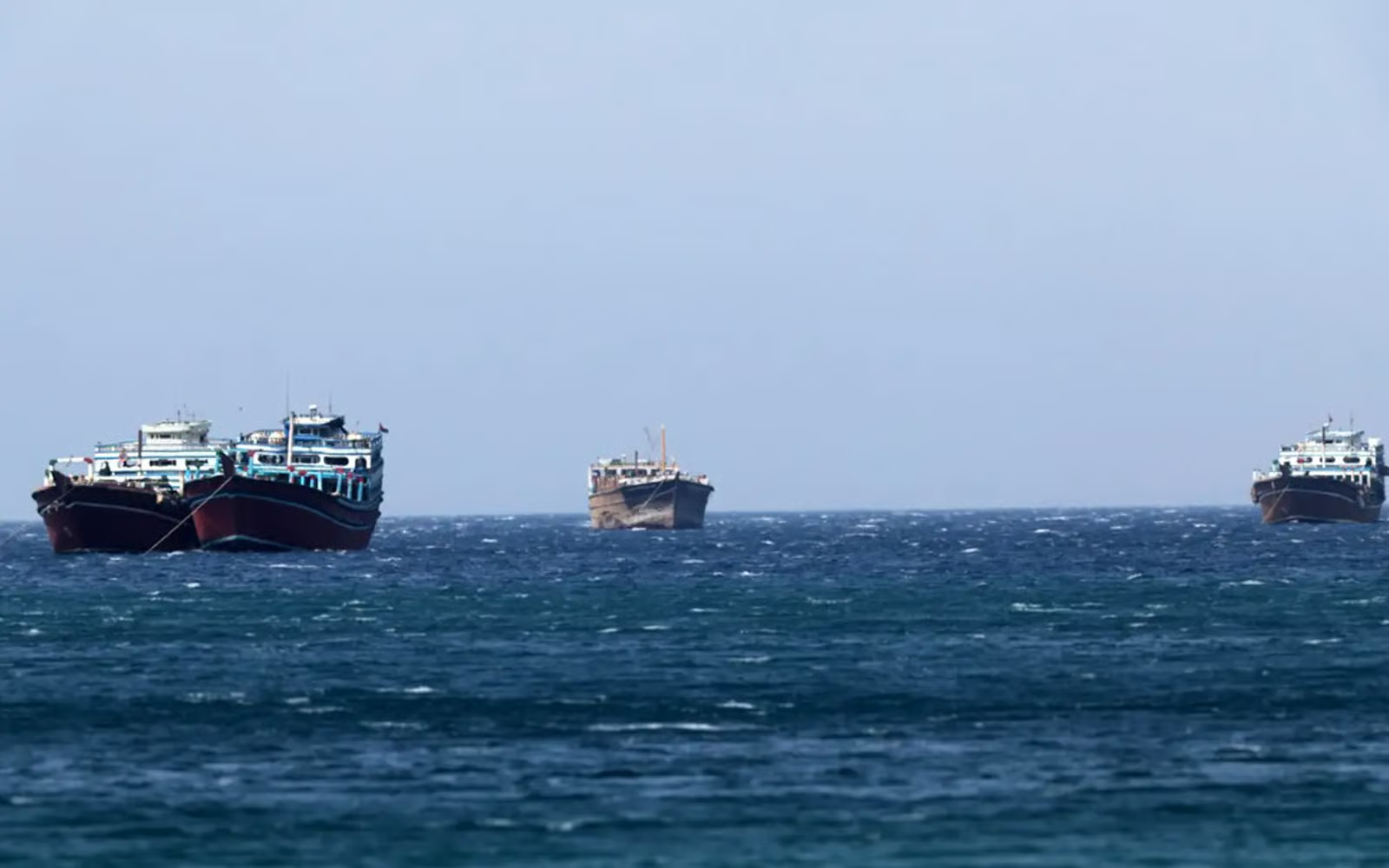
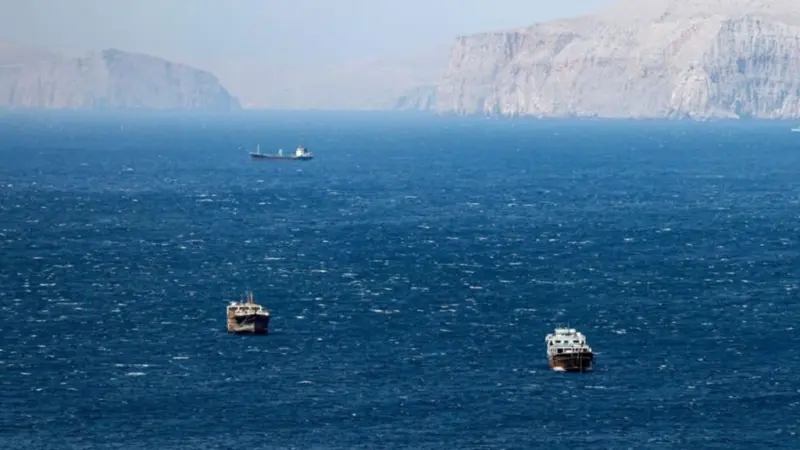
The maritime standoff in the Gulf has intensified as sanctioned oil tankers continue to breach the United States’ naval perimeter despite an active blockade. According to recent reports from the vessel monitoring service TankerTrackers, several “cargo-empty” vessels are successfully navigating into restricted zones, a move experts suggest is a strategic maneuver by Tehran to maintain its export infrastructure under heavy international pressure.
While the U.S. remains committed to “Project Freedom”—though currently on a temporary pause—the presence of these vessels highlights the ongoing “cat-and-mouse” game between naval enforcement and sanctioned shipping fleets. The arrival of these empty tankers is seen as a critical lifeline for Iran, allowing them to cycle vessels for future loading and keep logistics channels open amidst the tightening naval net.
Table of Contents
ToggleEmpty Tankers Breaching the Blockade Zone
The tanker VINA/VALLEY (9157478) became a focal point of monitoring reports this week when it entered the U.S. blockade perimeter on Wednesday. Known for its routine deliveries of Iranian liquefied petroleum gas (LPG) to the Houthis in Yemen, the vessel notably kept its Automatic Identification System (AIS) signal active during the transit.
This bold transparency, coupled with the arrival of a larger Iranian crude carrier on the same day, suggests a calculated effort to test the limits of current naval enforcement.

Military Confrontation and Diplomatic Pauses
- The U.S. Central Command (CENTCOM) confirmed that naval forces fired upon the Iranian-flagged tanker M/T Hasna in the Gulf of Oman.
- The incident occurred after the vessel allegedly ignored repeated warnings and failed to comply with instructions from American forces while transiting toward an Iranian port.
- This escalation follows President Donald Trump’s announcement of a temporary pause to “Project Freedom,” a mission originally designed to assist commercial vessels trapped in the Strait of Hormuz.
- Despite the pause on “Project Freedom,” the U.S. maintains that the naval blockade of Iranian ports remains fully in effect.
- U.S. forces reiterate that they will act decisively when vessels fail to follow maritime safety and blockade directives in international waters.
- These clashes underscore the high stakes of the “Epic Fury” operations currently unfolding in the region.
Iran Responds with Maritime Service Offerings
- The Ports and Maritime Organisation of Iran has issued a new advisory to all ship commanders in the strategic Strait of Hormuz.
- Tehran has declared its full readiness to offer technical, medical, and maritime support services to commercial vessels operating in the region.
- Ship masters have been instructed to contact Vessel Traffic Service (VTS) centers via VHF channel 16 or through local Iranian port representatives.
- The advisory emphasizes Iran’s role in ensuring maritime safety and improving vessel seaworthiness for regional traffic.
- This move is viewed by analysts as an attempt by Iran to assert its own authority over the strategic waterway in response to the U.S. naval presence.
- The offer of medical and technical support serves as a strategic counter-narrative to the U.S. blockade.

The Strategic Importance of Empty Tankers
Monitoring services like TankerTrackers emphasize that “cargo-empty” tankers are just as significant as full ones in this conflict. By having empty vessels arrive near loading zones, Tehran can ensure that the moment an opportunity arises, the infrastructure is in place to move cargo.
These vessels essentially “buy time” for the regime, allowing them to rotate their fleet and evade the full economic impact of the blockade by staying operationally ready.
Impact on Global Energy Routes
The Strait of Hormuz remains the world’s most critical oil chokepoint, and the continued friction there is sending ripples through global energy markets. With the U.S. engaging in direct fire against non-compliant tankers and Iran offering alternative “protection” and services, the risk of miscalculation remains high.
Shipping companies are now faced with the difficult choice of navigating these contested waters or seeking alternative routes that significantly increase transit time and costs.
Future Outlook for Gulf Security
As the U.S. blockade continues, the international community is closely watching for the next phase of “Project Freedom.” The temporary pause has created a vacuum of uncertainty, which sanctioned vessels appear to be exploiting. Whether the U.S. will ramp up its engagement to prevent empty tankers from arriving, or if a diplomatic off-ramp will emerge, remains the primary question for maritime security experts and global trade observers alike.
Author: M Jyosri
Electoral Controversy: ECI Orders Repolling in Bengal After EVM Tape Incident The integrity of the Phase 2 Assembly elections in […]
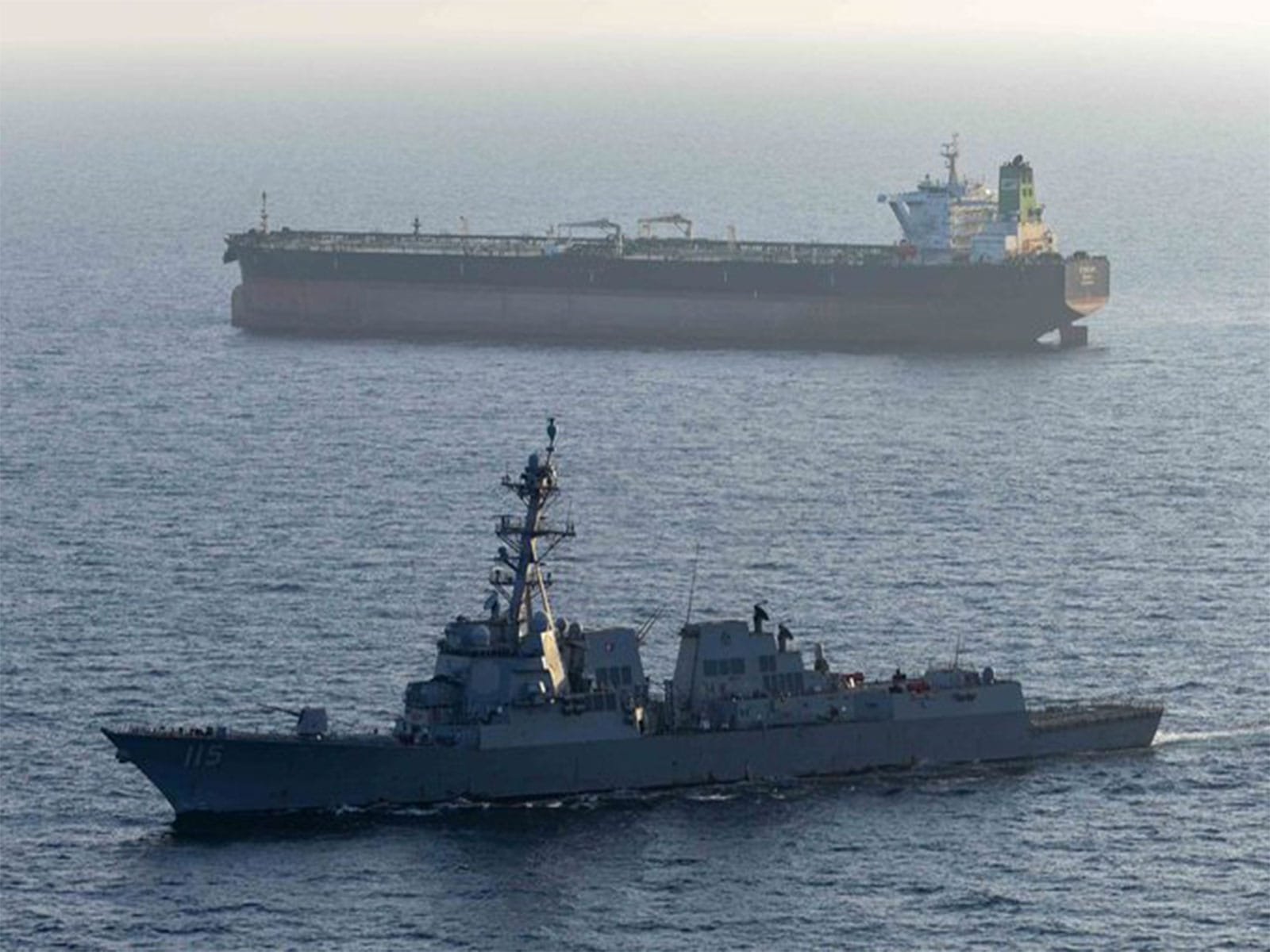
High-Stakes Naval Standoff: US Destroyer Intercepts Iranian Tanker Amid Rising Tensions
High-Stakes Naval Standoff: US Destroyer Intercepts Iranian Tanker Amid Rising Tensions The USS Rafael Peralta has significantly heightened the ongoing […]

Market Turbulence: The Indian Stock Market Faces a Red Session
Market Turbulence: The Indian Stock Market Faces a Red Session The Indian stock market felt the heat during Tuesday’s trading […]

Kangana Ranaut Set to Honor Unsung Heroes in Bharat Bhhagya Viddhaata This June The makers of the highly anticipated film […]
India and Vietnam Forge Stronger Future with Enhanced Strategic Partnership The diplomatic landscape between New Delhi and Hanoi has reached […]
India Confirms Seafarer Safety Across Gulf Amidst Maritime Calm The Ministry of Ports, Shipping, and Waterways has delivered a reassuring […]


