
Health Starts Here: Mobilizing Young Leaders for Local Wellness
In today’s fast-paced world, young leaders are stepping into powerful roles earlier than ever. They are launching startups, leading social movements, and driving innovation across industries. But amid all this ambition and momentum, one critical element is often neglected: health and wellness. While energy and enthusiasm are abundant in youth, they are not substitutes for physical and mental well-being.
This article explores why wellness leadership must be the starting point for changemakers, and how we can mobilize young people to prioritize health- not only for themselves but also for their communities.

Why Health and Leadership Go Hand in Hand
Health is not a luxury for leaders, it is a necessity. Whether making high-stakes decisions, leading teams, or managing complex projects, young leaders are constantly under pressure. A strong foundation of physical, mental, and emotional health empowers them to:
- Stay focused under stress
- Maintain resilience during setbacks
- Model healthy habits for peers and followers
- Make ethical, empathetic, and strategic decisions
Leadership is demanding, and without good health, burnout is inevitable. True wellness leadership starts with taking care of the self, because only then can one sustainably lead others.
Table of Contents
ToggleThe Pillars of Wellness for Young Leaders
Young leaders need a holistic approach to wellness that goes beyond occasional workouts or self-care weekends. Here are the key dimensions they must integrate into their lives:
1. Physical Health
Good health starts with the body. Regular physical activity, proper nutrition, and adequate rest are essential for sustaining energy and preventing illness.
- Exercise: A mix of cardio, strength training, or even daily walks can boost both physical health and mood.
- Nutrition: A balanced diet with plenty of whole foods and hydration supports focus and stamina.
- Rest: Sleep is non-negotiable. Well-rested leaders make better decisions and maintain emotional balance.
2. Mental and Emotional Health
Mental clarity and emotional regulation are vital for effective leadership.
- Mindfulness and meditation help manage anxiety and build self-awareness.
- Stress management techniques like journaling or time in nature can prevent burnout.
- Therapy and counseling offer tools to navigate personal and professional challenges.
3. Social Wellness
Leadership is not a solo act. Healthy relationships are a source of strength.
- Mentorship and peer support provide perspective and accountability.
- Meaningful connections reduce isolation and improve overall well-being.
4. Work-Life Balance
Leaders who blur the lines between work and life risk damaging both over time.
- Time management tools create structure in busy schedules.
- Boundaries around work hours, digital devices, and availability help protect personal energy.
5. Spiritual Wellness
Whether rooted in faith, nature, or personal purpose, spiritual well-being grounds young leaders.
- Reflection and journaling deepen self-understanding.
- Volunteering or value-driven activities offer a sense of meaning and fulfillment.
Mobilizing Youth for Community Wellness
The next step in wellness leadership is empowering young leaders to become wellness ambassadors in their communities. Here’s how this can take shape:
1. Youth-Led Health Campaigns
When young people lead awareness efforts on mental health, nutrition, or fitness, they often connect with peers more effectively than traditional programs.
Example: A college student launches a “Wellness Wednesday” podcast featuring local experts and students discussing real-life health challenges and solutions.
Building Strong Communities
2. Wellness Clubs and School Programs
Creating safe spaces for open wellness conversations reduces stigma and encourages healthier habits.
Example: A high school wellness club offers mindfulness sessions during exams, helping students manage stress through guided breathing and meditation.
3. Tech and Social Media for Good
Young leaders can use digital platforms to spread positive wellness messages and challenge harmful narratives.
Example: An Instagram campaign shares daily wellness tips, local resources, and stories of students who’ve overcome burnout or anxiety.
4. Community Partnerships
Collaborating with local health providers, NGOs, and schools brings wellness resources to underserved communities.
Example: A university group partners with a local clinic to host a free health fair with screenings, yoga sessions, and nutrition workshops.
Overcoming Barriers to Youth Wellness
Despite their potential, young leaders face real challenges in prioritizing health:
- Time pressure from juggling studies, work, and leadership roles
- Cultural stigma surrounding mental health in some communities
- Limited access to gyms, therapy, or safe spaces
- Social expectations that reward overwork and ignore rest
To support wellness leadership, families, schools, organizations, and governments must:
- Normalize conversations about mental and emotional health
- Provide accessible wellness resources in schools and communities
- Model healthy leadership from the top
- Invest in youth wellness programs as a public health strategy
Leading by Example: It Starts With You
Young leaders have the power to redefine how wellness is seen and practiced in their circles. Change begins with small, consistent steps, such as:
- Taking mental health days seriously
- Setting tech-free time
- Encouraging others to seek help
- Practicing kindness and empathy
- Prioritizing sleep, nutrition, and movement
Wellness leadership is not selfish; it is strategic. It enables better decision-making, deeper relationships, and more sustainable change.
Wellness leadership starts with the choices young changemakers make every day, the values they uphold, and the culture they create. When youth lead by example, prioritizing their health, they inspire a ripple effect of well-being in their communities.
Local wellness begins with informed, empowered individuals. By embracing wellness as a foundation for leadership, young people build not only brighter futures for themselves but also a stronger, more resilient society for everyone.

WI vs SA T20 WC Massive Super 8 Clash with Semis in Sight
SA vs WI T20 WC Massive Super 8 Clash with Semis in Sight The Super 8 battle intensifies as South […]

SL vs NZ Grand Super 8 Showdown T20 WC 2026 in Colombo
SL vs NZ Grand Super 8 Showdown T20 WC 2026 in Colombo Pressure creates clarity and the Super Eight stage […]

T20 WC England Aim Powerful Semifinal Leap Against Pakistan
T20 WC England Aim Powerful Semifinal Leap Against Pakistan The T20 World Cup 2026 has thrived on chaos, cliffhangers, and […]

SA vs NZ High Voltage Battle Lights Up T20 World Cup 2026
SA vs NZ High Voltage Battle Lights Up T20 World Cup 2026 The Narendra Modi Stadium is set to witness […]

India vs Namibia 2026 T20 WC High-Stakes Clash Live Tonight
India vs Namibia 2026 T20 WC High-Stakes Clash Live Tonight New Delhi lights up once again as the ICC Men’s […]
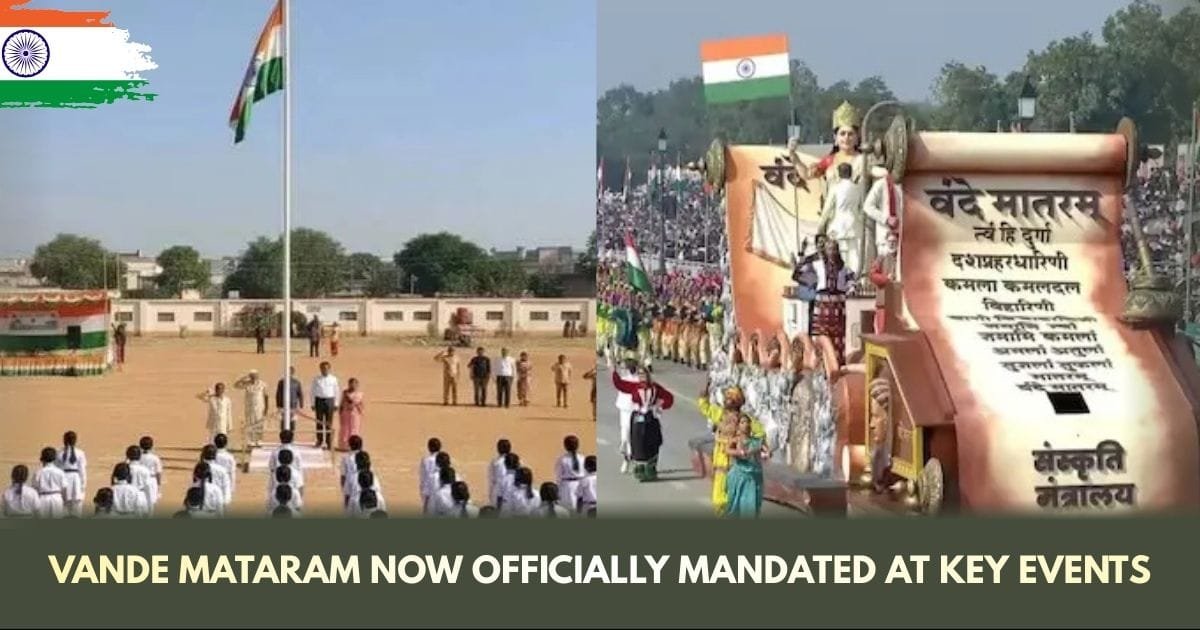
Six Stanzas of Vande Mataram Elevated as Mandatory at Events
Six Stanzas of Vande Mataram Elevated as Mandatory at Events In a significant move aimed at formalising the status of […]