
Small Acts, Big Impact: Join the Sustainable Living Movement
In a world facing growing environmental challenges, from climate change to plastic pollution and biodiversity loss, the need for has never been more urgent. While global policies and large-scale industrial changes are vital, we must not overlook the power of individual action. Every choice we make, what we eat, how we travel, what we buy, has an impact. The truth is, small acts, when multiplied by millions of people, can create significant and lasting change.
Table of Contents
ToggleWhat is Sustainable Living?
Sustainable living is a lifestyle that attempts to reduce an individual’s or society’s use of the Earth’s natural resources. It involves making choices that are environmentally friendly, socially responsible, and economically viable, balancing the needs of today without compromising the ability of future generations to meet their own needs.
It’s not about living a perfect “zero-waste” life or giving up modern comforts. Instead, it’s about making smarter, more conscious decisions in our daily routines.

Why Small Acts Matter
It’s easy to feel powerless in the face of global environmental problems. But every plastic bottle you refuse, every meatless meal you enjoy, every light you switch off, they all add up. When many individuals make small, sustainable living choices, it creates a ripple effect. This collective action can shift market demand, influence corporate behavior, and even shape public policy.
Let’s explore some simple yet powerful changes anyone can adopt.
Reduce, Reuse, Recycle
This age-old mantra remains one of the simplest and most effective ways to practice sustainable living.
- Reduce: Avoid unnecessary consumption. Buy only what you need. Choose products with minimal packaging.
- Reuse: Repurpose jars, containers, and old clothing. Donate items you no longer use instead of discarding them.
- Recycle: Properly separate waste and recycle according to local guidelines. This helps reduce landfill waste and conserves resources.
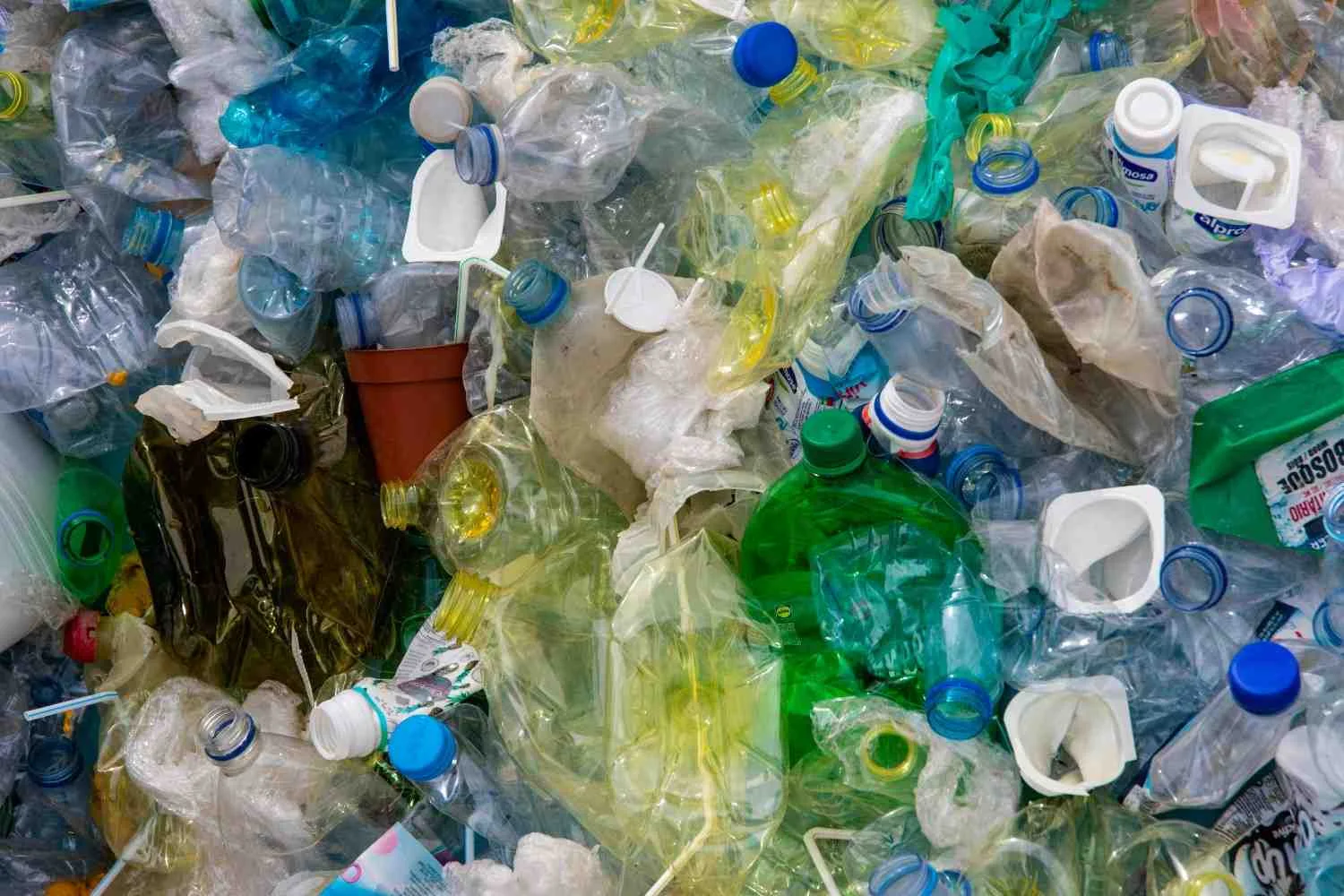
Cut Down on Single-Use Plastics
Plastic pollution is one of the most pressing environmental issues today. Single-use plastics like bags, straws, cutlery, and water bottles contribute heavily to this crisis.
- Carry a reusable water bottle and coffee cup.
- Bring your own shopping bags and food containers.
- Choose products packaged in paper, glass, or biodegradable materials when possible.
These simple swaps may seem minor, but over time, they prevent tons of plastic waste from entering landfills and oceans.
Eat More Plants
Our food choices have a significant environmental footprint. Animal agriculture is a major contributor to greenhouse gas emissions, deforestation, and water pollution.
You don’t have to go vegan overnight. Even reducing your meat and dairy consumption by a few meals a week can make a difference. Try “Meatless Mondays” or explore plant-based recipes. Not only is this better for the planet, but it’s also often healthier and more affordable.
Save Energy and Water
Energy and water conservation are simple ways to reduce your environmental impact and save money.
- Turn off lights and appliances when not in use.
- Switch to LED bulbs and energy-efficient appliances.
- Wash clothes in cold water and air dry when possible.
- Fix leaky taps and take shorter showers.
These actions are essential parts of sustainable living, as they help conserve limited natural resources.
Support Sustainable Brands and Local Businesses
Every purchase is a vote for the kind of world you want to live in. Choose companies that prioritize sustainability, fair trade, and ethical labor practices.
- Buy locally produced food and goods to reduce transportation emissions.
- Support brands that use recycled materials or follow eco-friendly manufacturing processes.
- Be a conscious consumer, research before you buy.
By supporting responsible businesses, you directly contribute to the sustainable living movement.
Use Public Transport, Walk or Cycle
Transportation is one of the leading sources of carbon emissions. Whenever possible:
- Use public transport instead of driving.
- Carpool or share rides.
- Walk or cycle for short distances.
These alternatives reduce your carbon footprint and contribute to better air quality and healthier communities.
Grow Your Own Food
Even a small garden or a few potted herbs on a balcony can promote sustainable living. Growing your own food:
- Reduces reliance on industrial agriculture.
- Cuts down on food packaging and transport emissions.
- Encourages seasonal and organic eating.
Gardening also connects us to nature and provides a sense of satisfaction and well-being.
Educate and Inspire Others
Change is contagious. Share your journey with friends, family, and your community. Whether it’s recommending a documentary, organizing a cleanup drive, or posting your tips online, every effort helps spread awareness.
Start conversations about sustainable living at your workplace, school, or neighborhood. The more people understand the importance of small changes, the greater the collective impact.
The Power of Collective Action
It’s important to remember that sustainable living is not about being perfect. It’s about progress, not perfection. You don’t need to do everything at once, start with one or two changes, and gradually build sustainable habits over time.
Governments and corporations play a critical role, but they often respond to consumer behavior and public demand. When we act collectively, we send a powerful message, a better, cleaner, and more just world is not only possible but necessary.
Sustainable living is more than a trend, it’s a movement that anyone can join. Your choices matter. Your voice matters. Whether you’re recycling, biking to work, supporting eco-friendly brands, or growing your own food, you are part of a global effort to protect our planet.
Remember, small acts, when done by many, have a big impact.
So, take that first step today. Because a sustainable future starts with you.