
Oral hygiene and heart health are more closely connected than most people realize. A groundbreaking study published in the Journal of the American Heart Association reveals that poor oral hygiene may directly increase the risk of heart attacks. While risk factors such as high cholesterol, smoking, and diabetes have long been recognized, researchers now say oral bacteria might play a surprisingly important role in cardiovascular health.
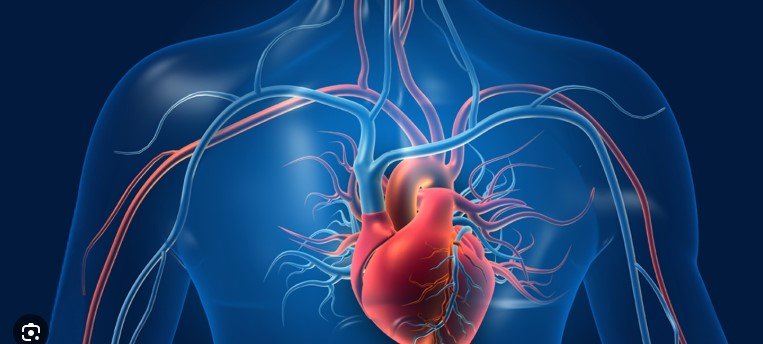
This discovery sheds new light on how everyday dental habits—like brushing, flossing, and regular dentist visits—could significantly reduce the chances of deadly heart problems.
The Study That Changed Perspectives
The study, titled Viridans Streptococcal Biofilm Evades Immune Detection and Contributes to Inflammation and Rupture of Atherosclerotic Plaques, examined artery samples from individuals who died suddenly and patients undergoing surgery for blocked arteries.
Key findings include:
DNA from oral bacteria, especially Viridans streptococci, was discovered in over 40% of arterial plaques.
These bacteria weren’t just present—they were deeply embedded inside the fatty deposits (plaques) that clog arteries.
The bacteria were often organized in biofilms, protective layers that make it difficult for the immune system to detect and eliminate them.
This means that poor oral health is not merely a cosmetic or dental concern—it has serious implications for cardiovascular well-being.

How Oral Bacteria Contribute to Heart Attacks
Researchers found that bacteria in the mouth can travel into the bloodstream and attach themselves to fatty plaques in arteries. Over time, these bacterial clusters form biofilms—shielded colonies that escape immune detection.
Here’s how they raise heart attack risk:
Hidden Invasion
Biofilms remain unnoticed by the immune system, quietly growing inside the arterial walls.Triggering Inflammation
When parts of these biofilms break loose, they trigger inflammation in artery walls.Weakening Artery Walls
Inflammatory reactions weaken the fibrous “cap” that covers fatty plaques in arteries.Plaque Rupture and Clot Formation
Once plaques rupture, blood clots form, blocking the artery and leading to a heart attack.
This mechanism shows a direct link between oral hygiene and heart health, making dental care an important part of cardiovascular prevention strategies.

Traditional Risk Factors vs. Oral Hygiene
For decades, doctors have emphasized lifestyle factors that affect heart disease, such as:
High cholesterol
Smoking
Obesity
High blood pressure
Diabetes
Now, poor oral hygiene joins this list. Unlike some of the other factors, dental care is something individuals can directly control in their daily routine. Neglecting oral health not only increases the risk of cavities and gum disease but may also open the door to life-threatening heart conditions.
What Experts Recommend for Prevention
The findings suggest that maintaining good dental care is more important than ever. Experts recommend:
Brush and Floss Daily
Brushing twice a day and flossing once daily prevents bacterial buildup.
Use fluoride toothpaste to protect teeth and gums.
Visit the Dentist Regularly
Professional check-ups can detect early signs of gum disease.
Early treatment of oral infections reduces the chance of bacteria spreading into the bloodstream.
Don’t Ignore Gum Problems
Bleeding gums, swelling, or persistent bad breath could indicate infections.
Left untreated, these issues may escalate beyond dental problems and affect cardiovascular health.
Adopt a Heart-Healthy Lifestyle
Combine good oral hygiene with balanced nutrition, physical activity, and stress management.
Avoid smoking and limit sugar intake for both dental and heart health.
Wider Health Implications
The study highlights that oral health should not be seen in isolation. For decades, research has shown links between gum disease and conditions like:
Diabetes
Alzheimer’s disease
Respiratory infections
This new evidence on cardiovascular health strengthens the case for a holistic approach to oral hygiene.
Call for New Diagnostics and Treatments
The researchers also emphasized the need for new tools to detect and treat bacterial biofilms in arteries. Current heart disease treatments focus on cholesterol management, blood pressure control, and clot prevention. However, if oral bacteria are contributing to plaque rupture, then diagnostic strategies that identify these bacterial infections could transform heart disease management.
Future treatments might involve antibiotics, biofilm-disrupting therapies, or vaccines that target harmful oral bacteria.
Raising Public Awareness
Public awareness campaigns often emphasize quitting smoking or reducing cholesterol for heart health. However, the link between oral hygiene and heart health remains relatively unknown to the general population.
By educating people about the dangers of poor oral hygiene, healthcare professionals can encourage preventive action. Something as simple as brushing teeth thoroughly could help lower heart attack risks.
Oral Hygiene and Heart Health: A New Pillar of Heart Health
For years, oral hygiene has been seen as a matter of dental aesthetics or comfort. But this study proves that its importance goes far beyond fresh breath or avoiding cavities.
Good oral care can help prevent systemic infections.
Proper hygiene reduces inflammation, which plays a critical role in cardiovascular diseases.
Healthy teeth and gums may directly reduce the risk of heart attacks.
By recognizing oral hygiene as a pillar of heart health, doctors, dentists, and patients can work together to prevent cardiovascular disease more effectively.
Conclusion: Protecting Your Heart Starts With Your Teeth
The study linking poor oral health to heart attacks provides compelling evidence that oral hygiene and heart health are deeply connected. Oral bacteria, particularly Viridans streptococci, may hide in artery plaques, trigger inflammation, and contribute to plaque rupture—leading to deadly heart attacks.
While more research is needed to develop targeted treatments, one thing is clear: brushing, flossing, and regular dental visits are not just for keeping teeth clean—they could save your heart.
In the fight against heart disease, a toothbrush may be just as important as cholesterol medicine.