
One Bag at a Time: How Local Clean Up Drives Can Help the World
When we think about saving the Earth, we often imagine big actions like government rules, new technology, or world meetings. However, real change can also start with small steps by everyday people. A great example is clean up drives.
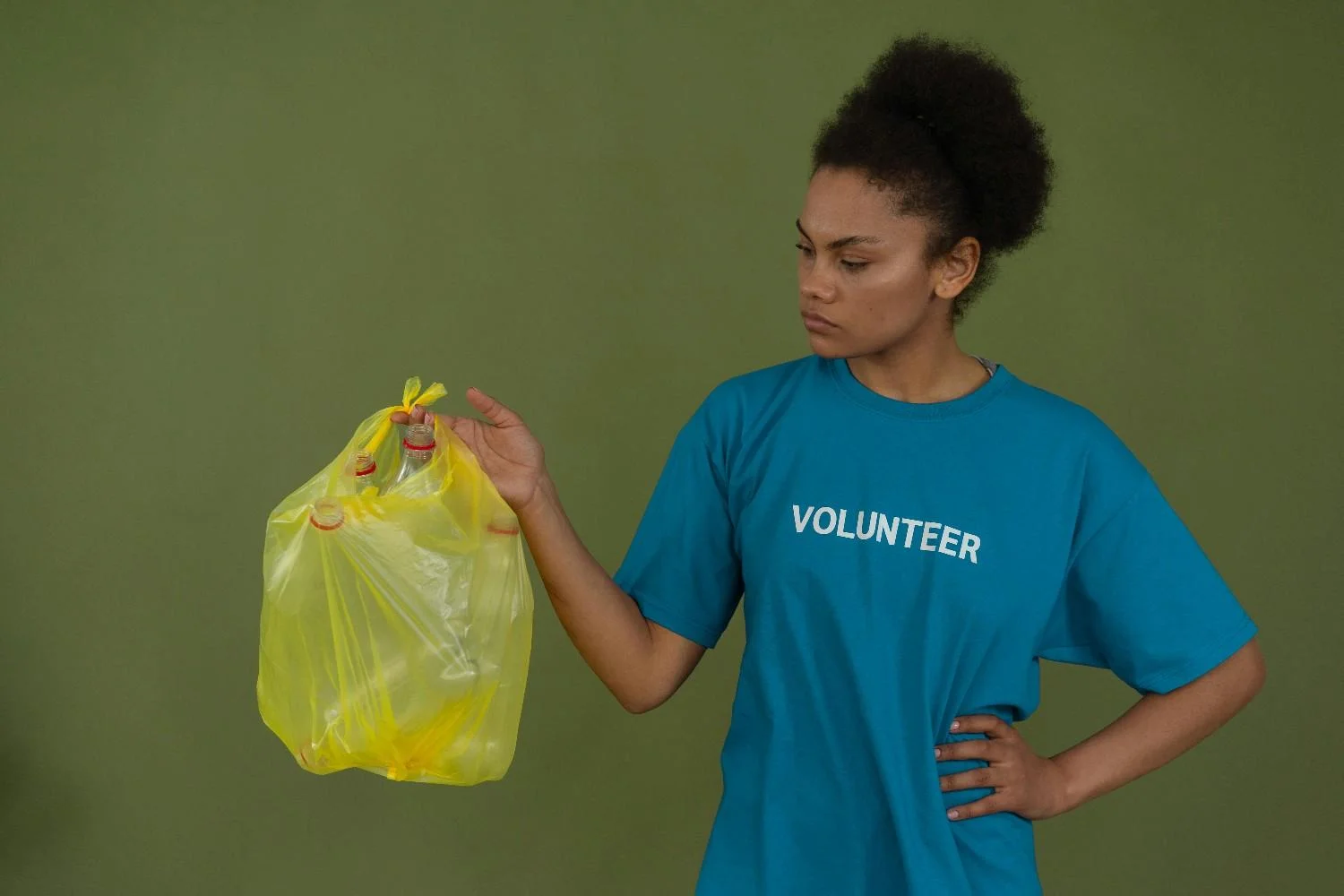
Picking up trash in your park, beach, or street might seem too small to make a difference, but if many people do it around the world, the effect becomes big. Change really can begin with just one bag of trash. It is not only about the amount of waste collected, but also about the message it sends, that people care, and they are willing to act. This small effort sends out a powerful signal that can grow into something global.
Table of Contents
ToggleWhy Clean Up Drives Matter
Every time someone picks up trash, that is one less piece of waste in the soil, water, or ocean. Many studies say that millions of tons of plastic go into the sea every year. This hurts fish, birds, and even comes back into our food. Microplastics have been found in drinking water and even in human bodies.
Big solutions like better waste systems, more recycling plants, and using less plastic are needed, but clean up drives help right away. They stop waste from spreading, and also help people see how serious the problem is. Even a short drive can clean up hundreds of bottles, wrappers, and other harmful items.
Teaching Awareness and Good Habits
One strong result of clean up drives is that people become more aware. Many of us walk past litter without noticing. But when we pick it up, we begin to understand how big the problem is. People start to question where all this trash comes from, and how it ends up in nature.
Children and young people who join clean up drives learn early that their actions can make a difference. Later in life, they are more likely to recycle, avoid plastic, and tell others to do the same. These experiences help build a strong environmental attitude. A few hours of cleaning can help create good habits that last a lifetime, and may inspire them to join other eco-friendly efforts too.
Building Strong Communities
Clean up drives also bring people together. Neighbors, schools, offices, and groups come together for a common goal. Working side by side builds friendships, teamwork, and a sense of community pride.
People get to meet others they may not usually talk to. Children can work with adults, and everyone learns from each other. It creates a feeling that everyone is responsible for the place they live in.
Communities that clean often also get noticed by local leaders. When people show they care, local officials are more likely to add more bins, improve recycling, or make new rules. This means small local actions can help make bigger changes in the area.

Why Clean Up Drives Help
Clean up drives do more than just make places look nice. They bring many other good things:
For nature – Less trash in the soil and water means safer homes for animals, and fewer tiny plastics that harm our health
For people – Communities feel proud, children learn good habits, and more people understand why this matters
For the economy – Clean areas attract more visitors, reduce waste removal costs, and may even raise the value of homes and land
Also, cleaner spaces help reduce the spread of disease and pests, making the area healthier for everyone.
Making Clean Ups Last Longer
One clean up is good, but many clean ups are better. To make clean up drives more useful and long lasting:
- Do them often, maybe every month or every few months
- Teach others while cleaning, so they learn why recycling and waste control is important
- Work with local groups to make sure the trash is thrown away the right way
- Use reusable items like gloves, bags, and water bottles during clean ups
- Share what you did with others, like how many bags of trash you collected
Also, try to sort the trash while collecting it. Items like bottles and cans can go for recycling, while the rest can be sent to proper disposal centers.
From Local to Global
Big problems like pollution and climate change can feel too hard to solve. Clean up drives show that every person can help. Each bag of trash collected is a step toward a cleaner Earth. Even better, each person who joins a clean up becomes someone who spreads the message. They talk to friends and family, and more people get involved.
One small event can lead to others. When one school or group starts, another may follow. Over time, this builds a culture of care and action. Even online posts about clean ups can motivate people in other cities or countries.
Clean up drives may seem like small actions, but they make a big difference. They clean up trash, teach people to care, bring communities together, and can even lead to better rules and changes in your area. You do not need to do something huge to help the planet. So, the next time there is a clean up near you, try to join. That one bag you pick up could help start something bigger than you think.
Remember, saving the Earth starts with simple actions, and clean up drives are one of the easiest and most powerful ways to begin.