
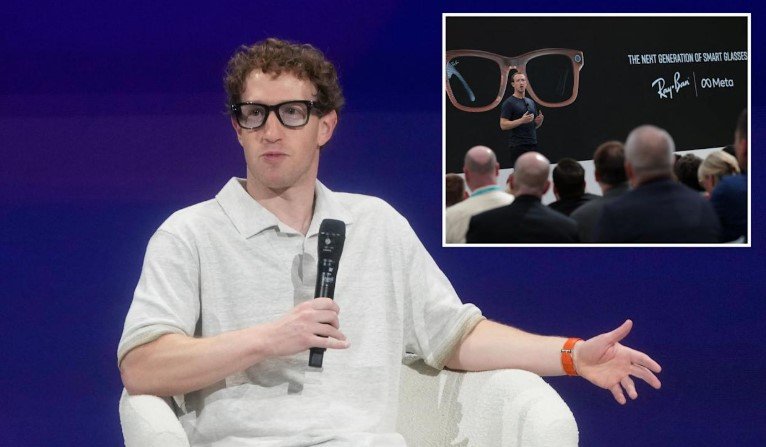
At Meta’s annual Connect event, CEO Mark Zuckerberg introduced a futuristic lineup of devices, including neural wristbands and upgraded Ray-Bans with built-in HUDs. But what stole the spotlight for the wrong reasons was the failed demo of the much-hyped Meta AI glasses. Instead of impressing the crowd, the malfunction quickly went viral, drawing criticism, memes, and skepticism from the global tech community.
The Vision Behind Meta AI Glasses
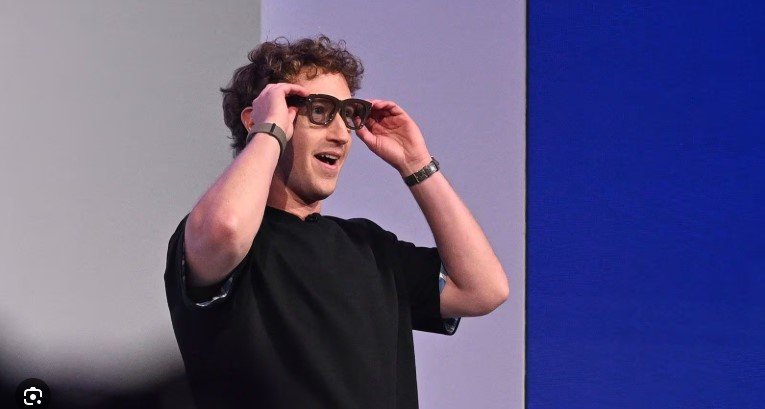
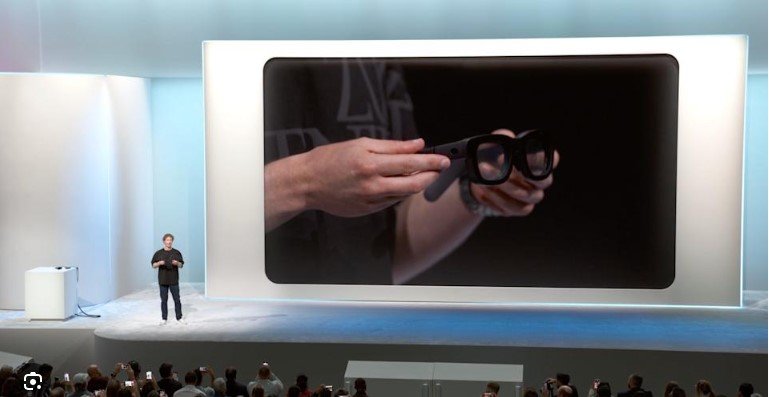
Zuckerberg positioned the Meta AI glasses as the next big leap in wearable technology. Unlike the first-gen smart glasses that only offered cameras and voice assistants, the new version boasts a heads-up display (HUD) on the right lens. This feature was designed to show notifications, navigation, and messages in real-time without the need to check a smartphone.
Paired with Meta’s new neural wristband, the glasses promised gesture-based communication, typing, and even live calling. The demo, however, did not go as planned.
The Demo Gone Wrong
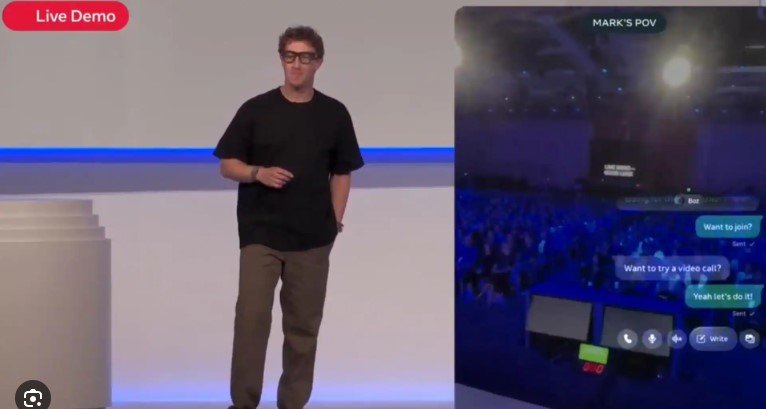
During the live showcase, Zuckerberg attempted to send a message to CTO Andrew Bosworth using the neural wristband. Initially, the subtle gesture-based typing impressed the audience. But things turned south when he tried initiating a video call using the Meta AI glasses.
The system simply refused to respond. Zuckerberg repeated the gesture multiple times, but the call did not connect. Eventually, Bosworth walked onto the stage in person, a moment that turned the highly anticipated demo into a public embarrassment.
Videos of the failed demo spread quickly online, with critics questioning whether the technology was ready for public rollout. Comments like “Not believable to be a WiFi issue” and “Show us the raw footage of him yelling at the team” captured the skeptical mood.
Social Media Reactions: From Humor to Fear
Social media exploded with memes, jokes, and harsh criticism about the Meta AI glasses. Some users mocked the glitch as an example of overhyped innovation. Others expressed deeper concerns about privacy, data collection, and surveillance.
One viral comment read: “This is so scary! The way tech giants are using these technologies to identify people and get info. Shame.”
Instead of building excitement, the failed demo amplified distrust surrounding Meta’s AI-powered future.
The Awkward Cooking Segment
In an attempt to showcase practical applications of the Meta AI glasses, Meta invited food creator Jack Mancuso for a live cooking demo. The idea was to show how AI could guide a user step by step through a recipe.
But once again, the execution fell short. When Mancuso asked the AI assistant how to make a “Korean-inspired steak sauce,” the assistant skipped crucial steps. It suggested adding soy sauce and sesame oil without explaining how to prepare the base sauce.
Frustrated, Mancuso kept asking, “What should I do first?” But the assistant gave vague or repetitive answers. Instead of feeling futuristic, the moment highlighted the immaturity of the tech.
Meta’s AI Vision vs. Reality
The failed demo raises important questions about whether Meta is pushing technology to market too fast. Zuckerberg has long emphasized that AI should “serve people, not just sit in a data center.” Yet, the Meta AI glasses highlight a gap between vision and execution.
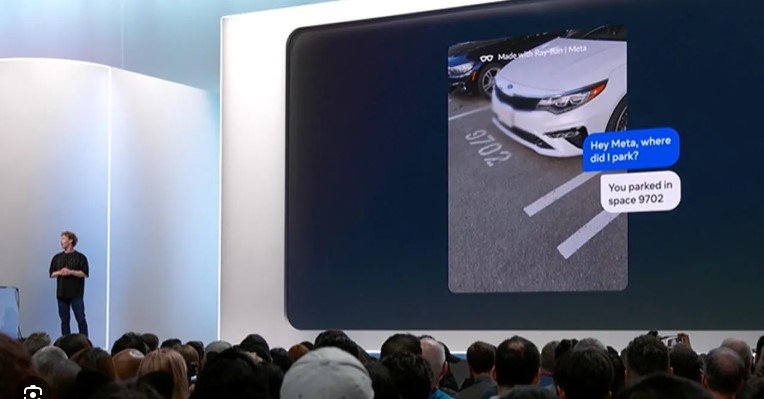
While the idea of gesture-based typing, live translation, and step-by-step assistance is groundbreaking, the glitches suggest that these features are still experimental.
Why This Matters for Meta’s Reputation
Meta has already faced criticism over privacy, data handling, and its pivot to the metaverse. A public failure like this only fuels doubts about whether the company can deliver truly reliable consumer technology.
Investors and tech analysts note that wearables like the Meta AI glasses must not only work flawlessly but also gain user trust. Any hint of unreliability or invasive data use could turn potential adopters away.
What Comes Next
Despite the failed demo, it’s unlikely Meta will abandon the project. The company has a history of iterating its products over time, as seen with Oculus and earlier Ray-Ban smart glasses.
Industry experts expect Meta to continue refining the glasses with:
Improved gesture recognition through the neural wristband.
Smarter AI assistants capable of real-time contextual responses.
Privacy safeguards to ease user concerns.
Expanded use cases like health monitoring, AR navigation, and immersive social experiences.
The question is whether the Meta AI glasses can overcome their rocky start and win back public trust.
Conclusion
The unveiling of the Meta AI glasses was meant to be a defining moment for wearable technology. Instead, the glitches at the Connect event highlighted how far Meta still has to go. From failed video calls to awkward recipe guidance, the demo raised more doubts than excitement.
While Zuckerberg insists that AI wearables are the future, the audience reaction suggests that consumers demand flawless performance before embracing such intimate technology. For now, the Meta AI glasses stand as a reminder that even tech giants can stumble when innovation runs ahead of execution.