
LPG Shortage Crisis in India Puts Hotels and Restaurants at Risk of Closure
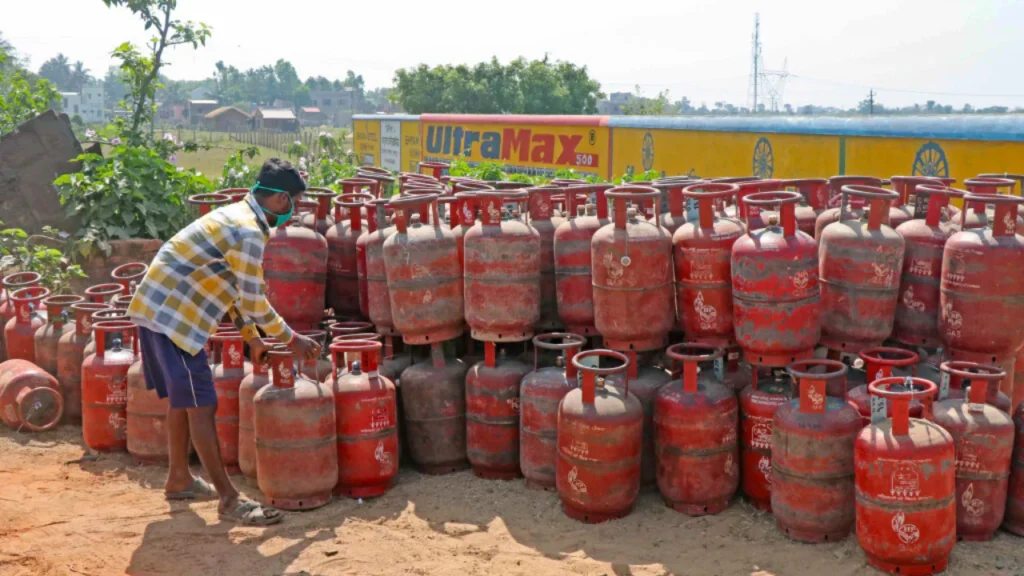
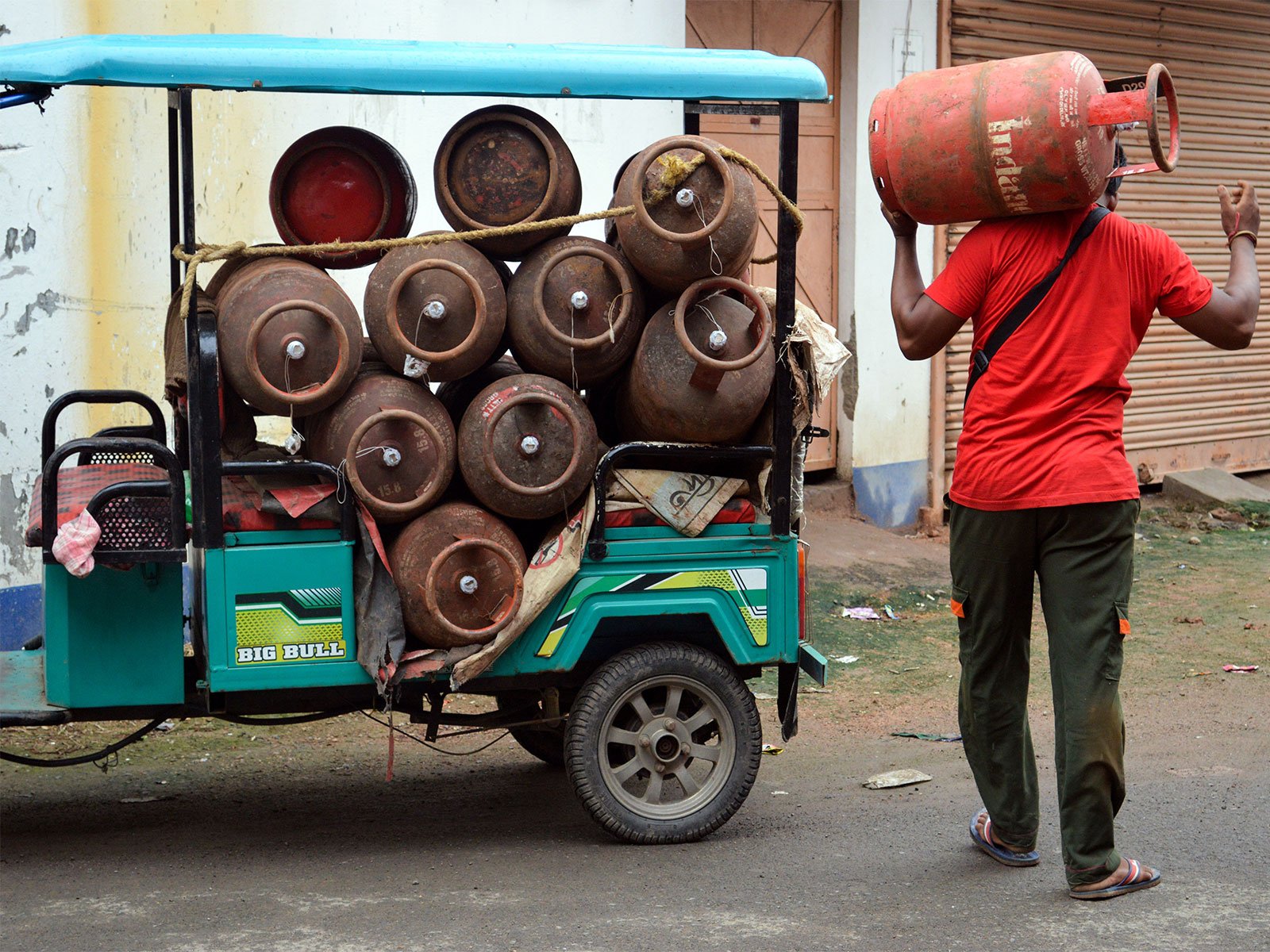
India’s hospitality sector is facing growing uncertainty as a shortage of commercial LPG cylinders threatens to disrupt the operations of hotels, restaurants and food businesses across the country. Industry bodies say many establishments are struggling to obtain cooking gas supplies as global energy markets remain volatile due to the ongoing conflict in West Asia.
The situation has worsened after the government prioritised domestic LPG supply for households, leaving commercial users with limited access to cylinders. Several hotel associations have appealed to state governments to ensure steady and affordable supplies of commercial cooking gas, warning that prolonged shortages could force many businesses to shut down temporarily.
Table of Contents
ToggleWest Asia Conflict Disrupts Energy Supply
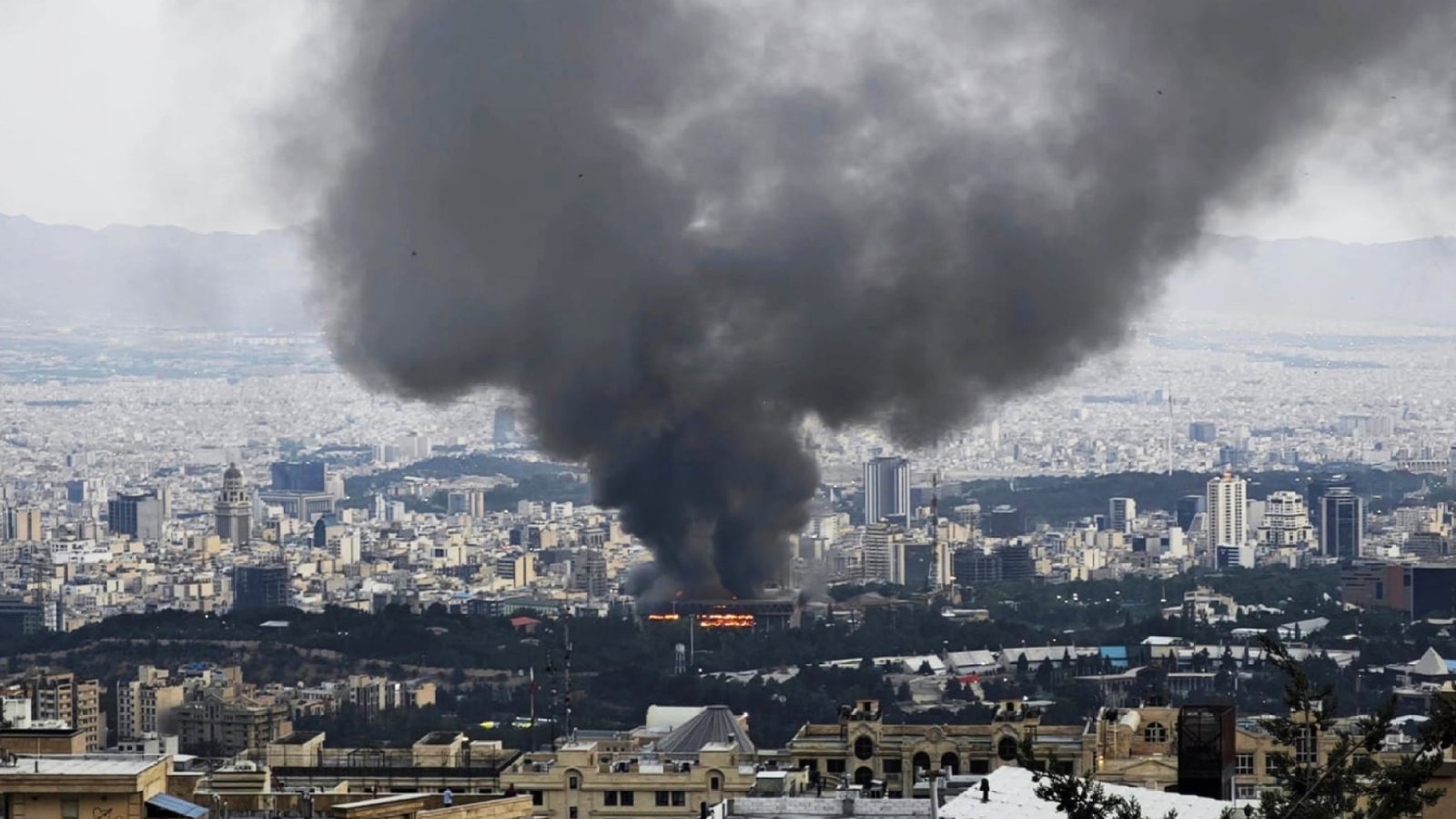
The crisis has been linked to the expanding conflict involving Iran, Israel and the United States, which has disrupted global energy supply chains. The tensions have affected fuel transportation routes, including the strategic Strait of Hormuz, through which a significant portion of the world’s oil and liquefied petroleum gas flows.
India depends heavily on imports for its LPG needs, and the ongoing conflict has exposed the country’s vulnerability to supply disruptions. With global shipping routes facing uncertainty, the availability of commercial cooking gas has begun to tighten in several parts of the country.

Hotels and Restaurants Face Operational Challenges
Across multiple states, hotels and restaurants have reported difficulties in obtaining 19-kg commercial LPG cylinders, which are commonly used in kitchens.
In cities such as Bengaluru, Tiruchi, Hyderabad and Puducherry, many establishments have already started taking emergency measures. Some restaurants have reduced menu items, while others have limited cooking hours to conserve gas supplies.
In certain places, eateries have even switched to alternative cooking methods such as firewood or electric cookers, although these options are not suitable for all types of food preparation.
Industry representatives have warned that if supplies are not restored soon, many hotels could be forced to shut down operations, particularly small and medium-sized establishments that operate on tight margins.
Prices of Commercial LPG Surge
The shortage has also triggered a sharp increase in the price of commercial cooking gas cylinders.
In some regions, the cost of a 19-kg LPG cylinder has risen significantly in recent days, adding to the financial pressure on restaurants and food businesses. The price rise has come at a time when many establishments are still recovering from earlier economic disruptions and rising operating costs.
Hotel associations say the rising prices are making it increasingly difficult for businesses to maintain normal operations without increasing food prices for customers.

Government Prioritises Household LPG Supply
Amid the crisis, the government has decided to prioritise domestic LPG supply to households, aiming to ensure that cooking gas remains available for families across the country.
As a result, oil marketing companies have reportedly rationed commercial LPG supplies, which has contributed to the shortage faced by restaurants and food establishments.
To address the growing concerns, the government has formed a three-member committee tasked with examining the issue and recommending solutions to stabilise the supply situation.
Industry Seeks Urgent Government Intervention
Hotel and restaurant associations in several states have urged authorities to take immediate steps to restore commercial LPG supply.
Industry representatives say the hospitality sector employs millions of workers, and prolonged disruptions could result in job losses and economic setbacks.
Some industry leaders have warned that if the crisis continues, food prices could rise sharply, affecting consumers as well.
Energy Companies Increase Production
Meanwhile, energy companies are attempting to ease the pressure on supply.
Reliance Industries has announced that its Jamnagar refining complex will maximise LPG production to help stabilise supplies in the domestic market. The company also said gas from the KG-D6 fields in the Bay of Bengal will be redirected toward priority sectors to support the economy during the crisis.
Officials believe that additional production and alternative supply routes may help reduce the shortage over time.
Officials Say LPG Shortage May Be Temporary
Government sources have suggested that the current shortage may be temporary, as higher global prices are making imports from distant suppliers such as the United States and Norway economically viable.
However, shipments from these sources typically take longer to reach India, meaning the country may continue to face short-term supply challenges.
Until new supplies arrive, the hospitality industry remains concerned about the impact of the LPG shortage on businesses and consumers alike.
Experts say the crisis highlights the importance of diversifying energy sources and strengthening domestic production, particularly for fuels that are critical to everyday life and economic activity.
Israel Launches Wide-Scale Strikes on Tehran as Iran Expands Retaliatory Attacks The conflict between Israel and Iran intensified on Monday […]

Bridging the Digital Divide: India Empowering Bharat in the Digital Age India’s digital transformation is rapidly narrowing the digital divide […]
Is Gen Z Backed Balen Shah the Next Prime Minister of Nepal?
Is Gen Z Backed Balen Shah the Next Prime Minister of Nepal? Nepal’s political landscape is witnessing a dramatic shake […]
India Prevail Over England in Run Fest to Reach T20 WC Final
One Bag at a Time: How Local Clean Up Drives Can Help the World India produced a sensational performance under […]
Can India Deliver Stunning Win Against England in T20 WC Semifinal? The race for the ICC Men’s T20 World Cup […]
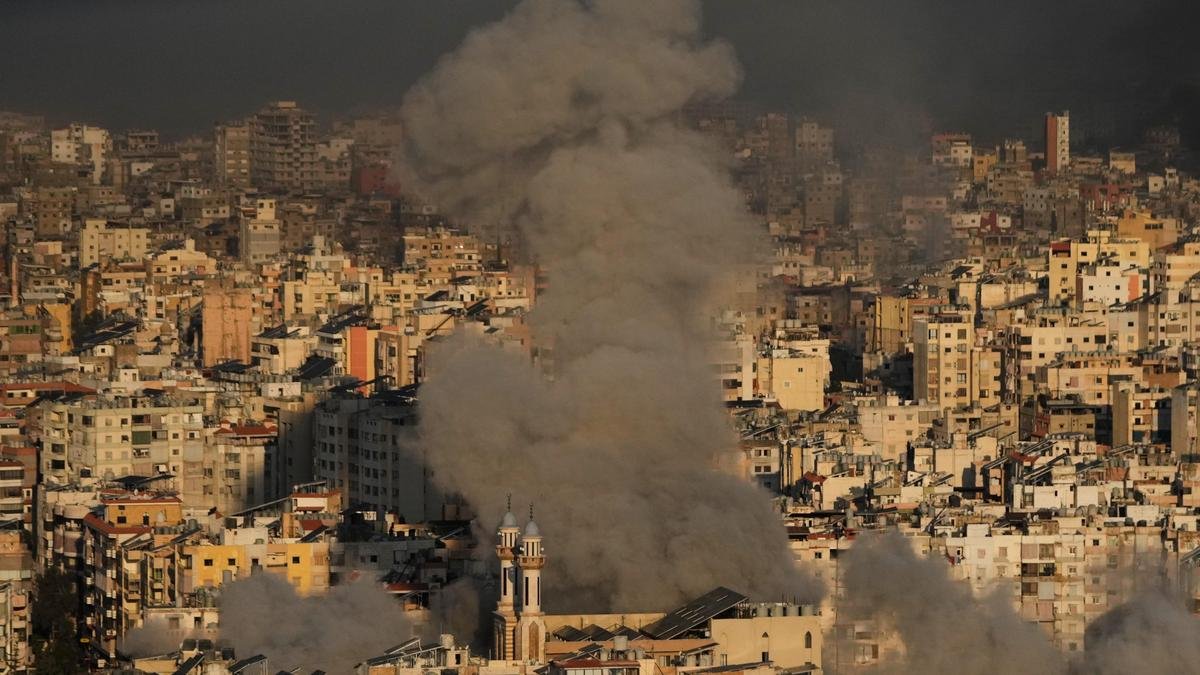
Conflict Escalates as Israel Launches Simultaneous Strikes in Tehran and Beirut The conflict in West Asia intensified dramatically on Tuesday […]


