
Learning to Live Sustainably: Environmental Education in the Real World
Today, we hear a lot about climate change, pollution, and the loss of nature. These are big problems that affect the whole world. But how can we solve them? One important solution is education, especially environmental education. When people learn about the environment and how their actions affect it, they are more likely to make better choices. This is the heart of sustainability.
But what does “living sustainably” really mean? And how can we learn to do it, not just in school, but in real life? Let’s explore how environmental education is helping people live in a more earth-friendly way.
Table of Contents
ToggleWhat Is Environmental Education?
Environmental education teaches us how natural systems work and how we are connected to them. It’s not just about learning facts, or memorizing terms. It’s about understanding the relationship between humans and nature, and how we can live in harmony with the planet.
This kind of education can happen anywhere, in schools, in community centers, at parks, or even online. It helps people of all ages understand topics like:
- Climate change
- Pollution
- Waste and recycling
- Water and energy use
- Wildlife and ecosystems
- Sustainable food and farming
Environmental education also teaches skills like critical thinking, problem-solving, and teamwork, all of which are important when finding solutions to environmental problems.
Why Is It Important to Learn About Sustainability?
Sustainability means meeting our needs today without hurting the ability of future generations to meet theirs. In simple words, it means using resources wisely so the planet stays healthy for a long time.
Right now, we are using up too many resources too fast. We are cutting down forests, polluting the air and water, and creating huge amounts of waste. If we don’t change our habits, future generations will face even bigger problems than we do today.
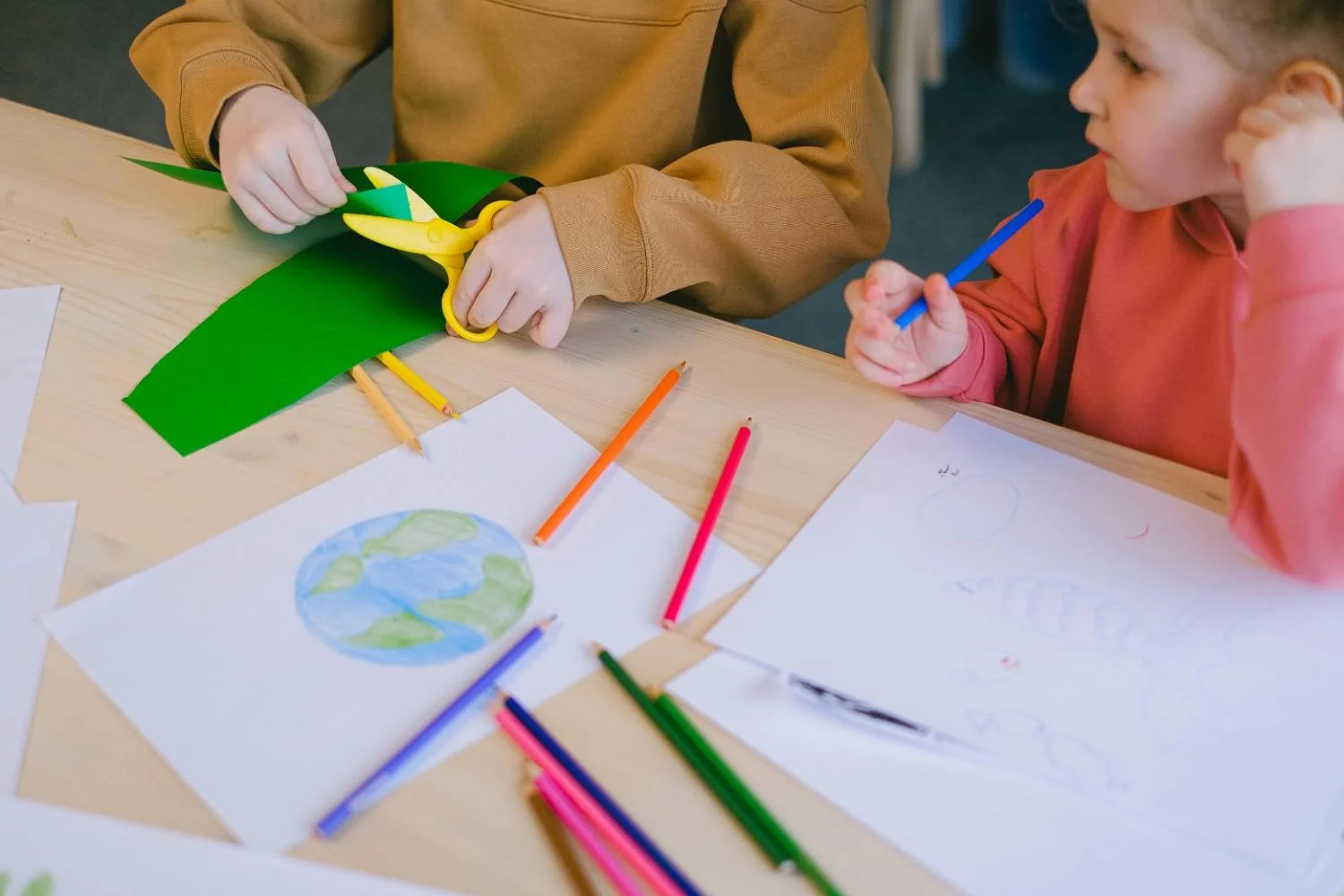
That’s why environmental education is so important. It teaches us how to make choices that are good for both people and the planet, from using less plastic, to saving energy at home, or choosing eco-friendly products.
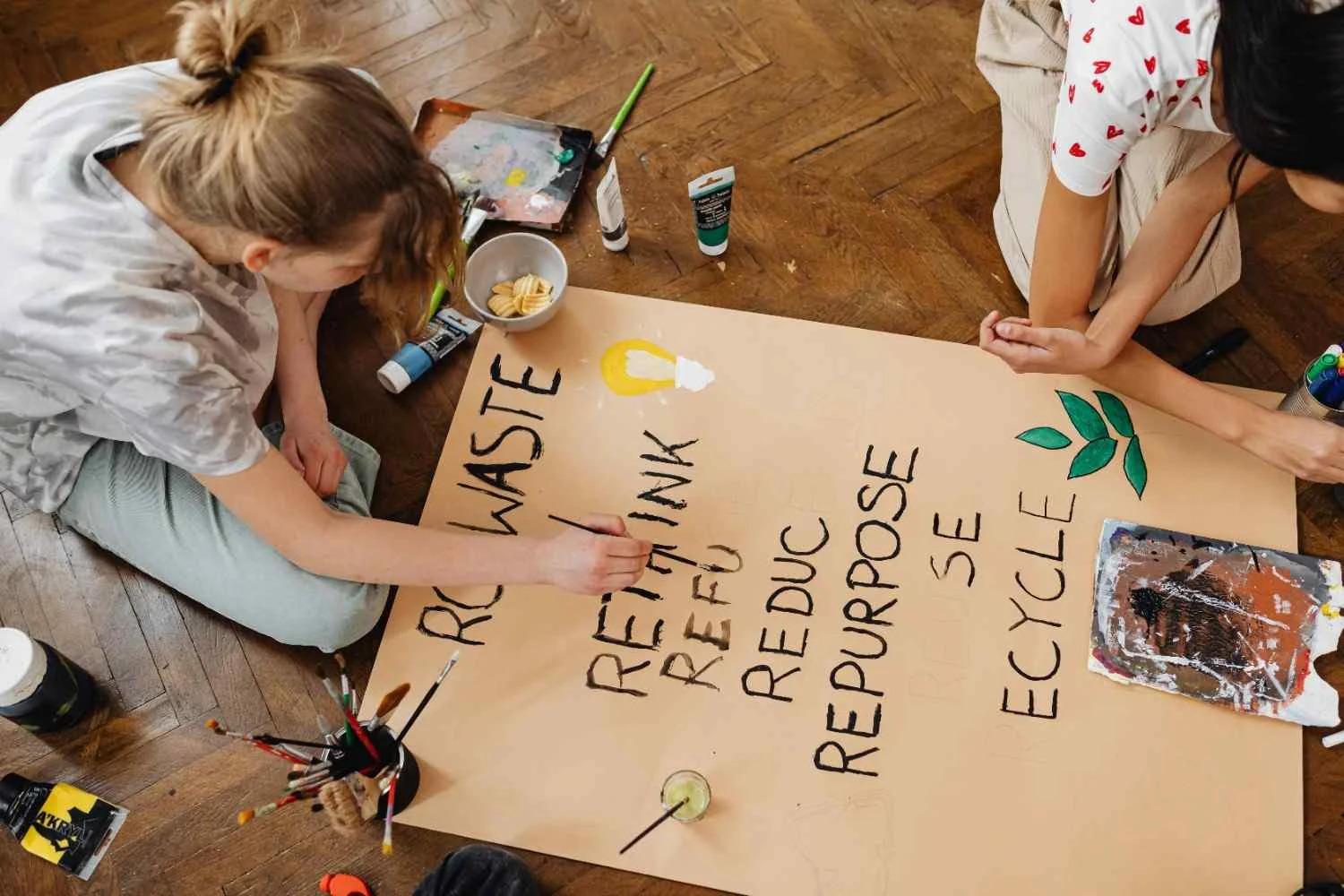
Learning Sustainability in the Real World
Environmental education is most powerful when it’s connected to real life. Learning about sustainability doesn’t have to be boring or limited to the classroom. In fact, it works best when it involves hands-on experience.
Here are some examples of how people are learning to live sustainably in the real world:
1. School Gardens and Outdoor Classrooms
Many schools now have gardens where students grow vegetables, compost food scraps, and learn about soil and insects. This helps them understand where food comes from and how natural cycles work.
2. Community Clean-Ups
Local groups often organize clean-up events at beaches, parks, or streets. These activities not only make the environment cleaner, but also teach participants about the problems of littering and plastic waste.
3. Eco-Clubs and Youth Groups
Some schools and communities have clubs where young people work on environmental projects. They might organize recycling drives, plant trees, or campaign for better waste management. These clubs help develop leadership skills and teamwork.
4. Workplace Sustainability Programs
Even adults are learning more about sustainability. Many companies now offer training to help employees reduce waste, save energy, or use eco-friendly materials at work. Some businesses even have “green teams” to lead these efforts.
5. Online Learning and Social Media
The internet has made environmental education easier than ever. People can watch videos, take online courses, and follow eco-friendly influencers who share tips on sustainable living, like how to reduce food waste or make your own cleaning products.
Small Actions, Big Impact
One of the best lessons from environmental education is that small actions matter. You don’t have to be a scientist or activist to make a difference. Every person can take small steps to live more sustainably.
Here are a few simple examples:
- Turn off lights when you leave a room
- Bring a reusable bag when shopping=
- Use a refillable water bottle
- Walk, bike, or use public transport
- Eat less meat or support local farmers
- Sort your trash and recycle properly
- Grow your own herbs or vegetables
- Say no to single-use plastic
When more people take these kinds of actions, they add up to big changes.
Challenges to Environmental Education
Even though environmental education is important, not everyone has access to it. In some places, schools may not have enough resources or trained teachers. In others, environmental topics may not be part of the curriculum.
Also, people sometimes feel that environmental problems are too big or complicated to solve. That’s why it’s important to teach in a way that feels hopeful and empowering, not scary or overwhelming.
If we want a better, greener future, we need to start with education. Environmental education helps people understand the world around them and gives them the tools to protect it. It encourages responsible choices, community action, and a deeper connection to nature.
By learning to live sustainably, we’re not just helping the planet, we’re also creating healthier, fairer, and more resilient communities. And that benefits everyone.
Whether you’re a student, teacher, parent, or simply someone who cares about the Earth, you can be part of the change. It all starts with learning, and then taking action.