
The Effect of Organic Farming on Climate Change
From lowering greenhouse gas emissions to building resilience against extreme weather events, the effect of organic farming on climate change is significant and multi-dimensional. In this article, we will explore how adopting organic practices contributes to climate action in both mitigation and adaptation.
The Positive Effects of Organic Practices
Reducing the Emission of Greenhouse Gases
A major environmental concern in conventional agriculture is the high emission of greenhouse gases, particularly from synthetic nitrogen fertilizers that release nitrous oxide, a potent contributor to global warming.
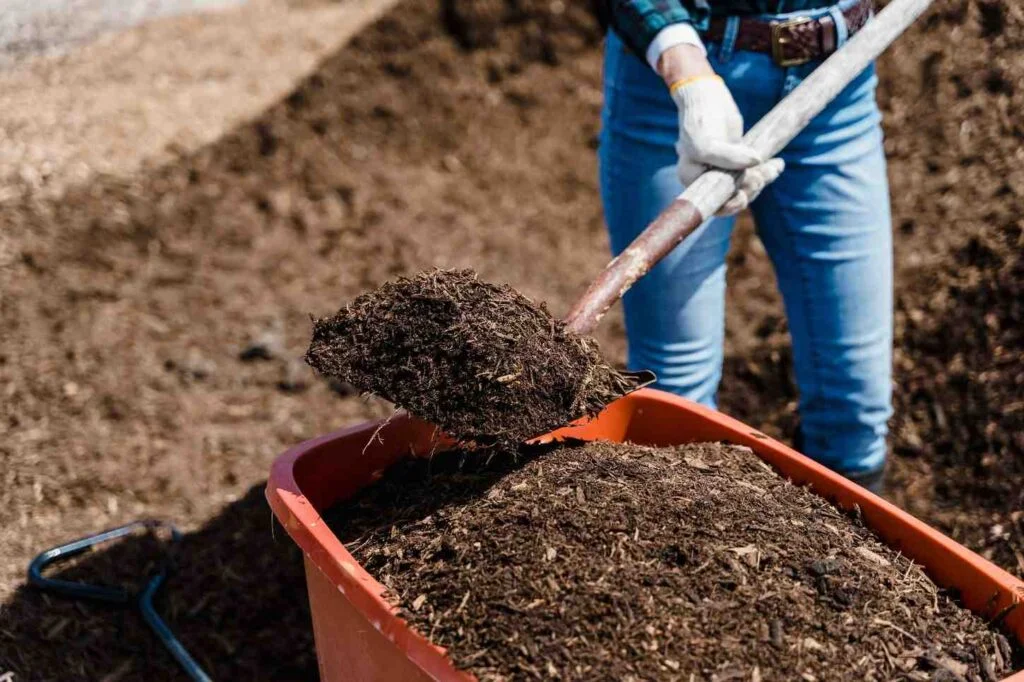
One key effect of organic farming on climate change is the reduction of such emissions. Organic agriculture eliminates synthetic nitrogen fertilizers and instead relies on crop rotation, composting, green manures, and natural nutrient cycles to enrich the soil.
Table of Contents
ToggleThese practices help decrease nitrogen inputs per hectare, which leads to a lower carbon footprint. This environmentally conscious approach is one of the most direct and measurable ways in which the effect of organic farming on climate change becomes visible.
Lowering Energy Consumption
Conventional farming relies heavily on fossil fuels, particularly for manufacturing and transporting synthetic fertilizers and pesticides. These activities contribute to high energy consumption and increased carbon emissions.
Another important effect of organic farming on climate change is its reduced reliance on external inputs. By using farm-based resources such as compost, animal manure, and cover crops, organic systems consume far less energy.
This not only lowers emissions but also makes farming more sustainable and accessible in energy-scarce regions. Thus, the effect of organic farming on climate change is also about long-term resource conservation.
Enhancing Soil Carbon Sequestration
Soil plays a crucial role in carbon storage. When managed well, it acts as a powerful carbon sink, absorbing atmospheric CO₂ and storing it as organic matter.
The effect of organic farming on climate change is also evident in how it boosts this process. Organic practices like reduced tillage, nitrogen-fixing legumes, returning crop residues to the soil, and planting cover crops all enhance soil carbon sequestration. Not only does this help remove CO₂ from the air, but it also improves soil health and fertility—creating a win-win scenario for both agriculture and the climate.
How Farmers Benefit from Organic Systems
The effect of organic farming on climate change isn’t limited to reducing emissions—it also helps farmers adapt to a changing environment. Unpredictable weather, droughts, and shifting pest patterns are increasingly common challenges.
Organic farming supports farmers by building soil organic matter and maintaining strong ground cover. This leads to better water retention during dry periods and reduced erosion during heavy rains. Healthier soil also means more resilient crops that can better withstand stress and disease.


Furthermore, organic systems promote biodiversity. By growing a variety of crops and preserving traditional seed varieties, farmers reduce their dependence on a single crop and improve their ability to respond to climate shifts. The adaptive effect of organic farming is a powerful tool for long-term food security.
Conclusion
The effect of organic farming on climate change is both practical and profound. By cutting emissions, conserving energy, enhancing soil carbon, and supporting resilient farming systems, organic agriculture offers real, tangible solutions to one of the greatest environmental challenges of our time.
While it may not be the only answer, organic farming is a time-tested, science-backed, and effective method that protects the land, empowers farmers, supports biodiversity, and contributes to a more stable and balanced climate system. As awareness, policy support, and consumer demand grow, so too can its overall impact and reach across different regions.
Choosing organic is not just about avoiding chemicals—it is a conscious, forward-thinking decision that supports ecosystem health, long-term food security, and climate resilience. The effect of organic farming on climate change offers hope, sustainability, and a clear, actionable path forward in an increasingly unpredictable and uncertain world.
The Rise and Fall of Michael Carroll: A Lottery Winner’s Journey
The Rise and Fall of Michael Carroll: A Lottery Winner’s Journey In 2002, Michael Carroll’s life dramatically transformed when he […]
Kids and Nutrition: Why Healthy Eating Habits in Kids Matter Early
Kids and Nutrition: Why Healthy Eating Habits in Kids Matter Early Children learn by watching, tasting, and repeating. From their […]
Plant-Based Power: Nutrition Benefits of Going Green
Plant-Based Power: Nutrition Benefits of Going Green Adopting a plant-based diet is more than a personal health choice, it is […]
From Farm to Plate: Understanding the Food–Nutrition Connection
From Farm to Plate: Understanding the Food–Nutrition Connection We often focus on what we eat, but rarely think about where […]
Role of Nutrition: Preventing Diabetes & High Blood Pressure
Role of Nutrition: Preventing Diabetes & High Blood Pressure Diabetes and high blood pressure are two of the most common […]
What Is Organic Farming? A Beginner’s Guide to Going Green
What Is Organic Farming? A Beginner’s Guide to Going Green In today’s world, there is an increasing concern about the […]