

Yoga and Mental Health: A Holistic Approach to Well-being
These days, most people are caught up in demanding 9-to-5 jobs, leaving little or no room for self-care. With the constant pressure and packed schedules, it has become extremely difficult to maintain good mental health. Many individuals barely have time for any kind of physical activity, which, in turn, affects their overall well-being. This lack of movement along with the daily stress leads to anxiety, fatigue, and a sense of imbalance.
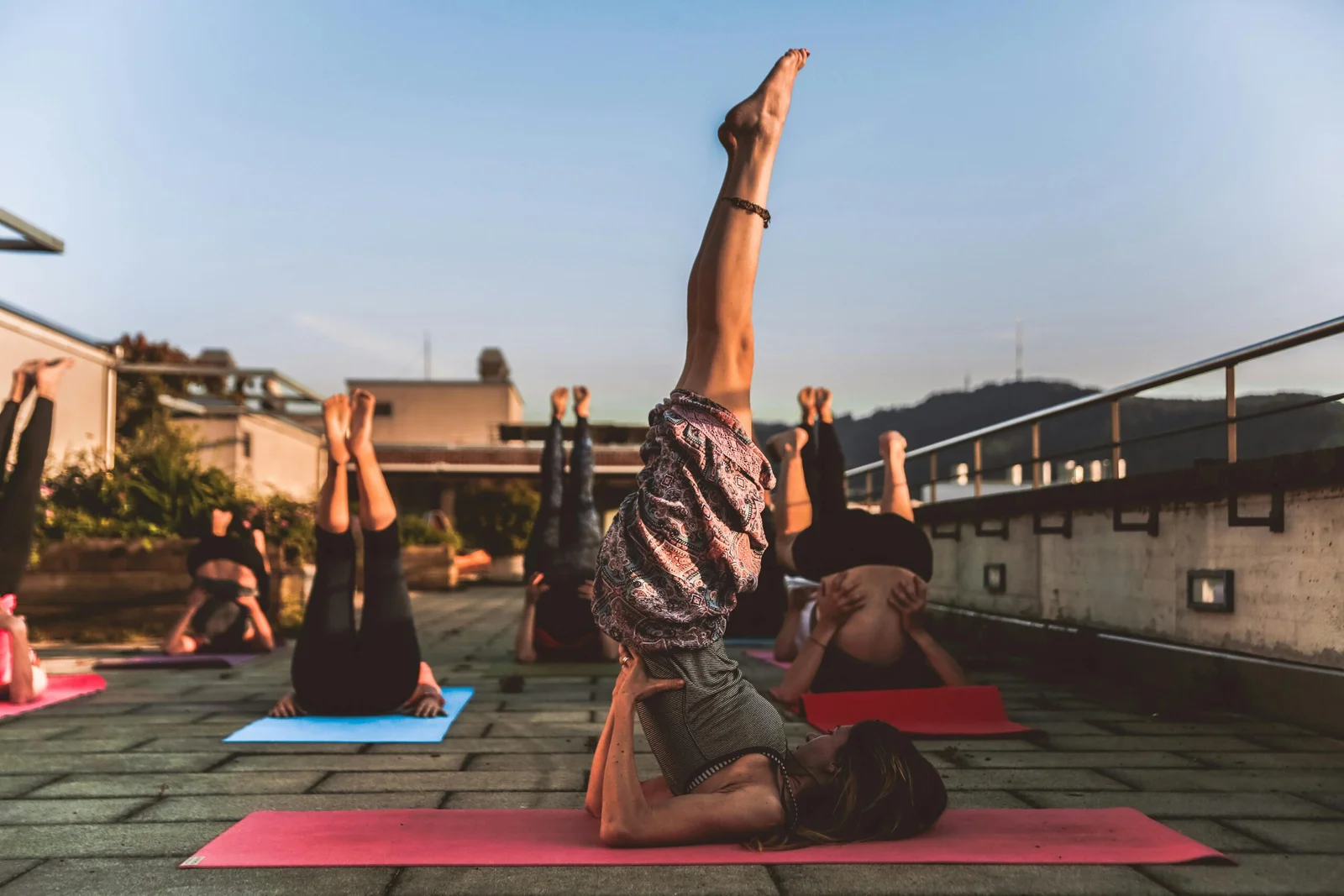
In this kind of hectic lifestyle, yoga offers a much-needed solution. By indulging in yoga regularly, the body can stretch, the mind can almost, and the breath slows down. These practices help people reconnect with themselves.
Table of Contents
ToggleRead on to find out how practicing yoga for mental health regularly can make a big difference in improving both mental as well as physical health in the long run.
The Science Behind How Yoga and Meditation Improves Mental Health
Yoga and meditation are two gentle yet powerful ways to bring calm and balance into our lives. Science is now backing what many have known for centuries—these practices truly help. When we do yoga or meditate, our body activates the parasympathetic nervous system, which helps us slow down, rest, and relax. This calming effect brings emotional stability and can ease feelings of anxiety, stress, and sadness.
What’s even more amazing is how yoga for mental health can help our brains grow and adapt. It boosts neuroplasticity, which is the brain’s natural ability to form new connections. This means we can learn healthier ways to respond to life’s challenges.

Through regular practice, we become more aware, more resilient, and more at peace with ourselves and the world around us. Yoga doesn’t just heal the body; it gently heals the mind too. Let us see how.
How Does Yoga Benefit Mental Health?
There are numerous ways in which yoga can improve your mental well-being:
- Yoga helps reduce stress: Yoga incorporates the use of breathing techniques that regulate the body’s stress response. Individuals who meditate can also experience its benefits. Meditation encourages mindfulness, which makes it easy for people to manage stressful situations in a calm and composed manner.
- Yoga can manage anxiety: Yoga can help lower the cortisol levels in the body, thereby reducing the symptoms of anxiety. This helps in improving relaxation. Meditating regularly allows individuals to gain control over their anxious thoughts.
- Yoga improves your mood: Meditation is linked with an increase in levels of serotonin, a hormone that is responsible for happiness. People who meditate regularly experience more positive emotions and reduced occurrence of mood swings.
- Yoga increases self-awareness: Performing yoga and meditation regularly can encourage self-reflection. When individuals practice these regularly, they tend to tune better with their thoughts, emotions, and behaviors. This way individuals can have better control over situations and react to challenges calmly.
- Yoga helps in enhancing concentration and focus: Meditation is an effective way to improve attention and focus. When you train your mind to stay present, people can improve their cognitive abilities and perform tasks with greater concentration.
Tips to Incorporate Yoga and Meditation into Daily Life
Starting a yoga for mental health routine is not as complicated as you think it may be. Listed below are some of the ways in which you can integrate the practices for better mental health:
- You cannot master everything in a day. To begin with, perform just a few minutes of yoga every day and increase the duration gradually as you become more comfortable.
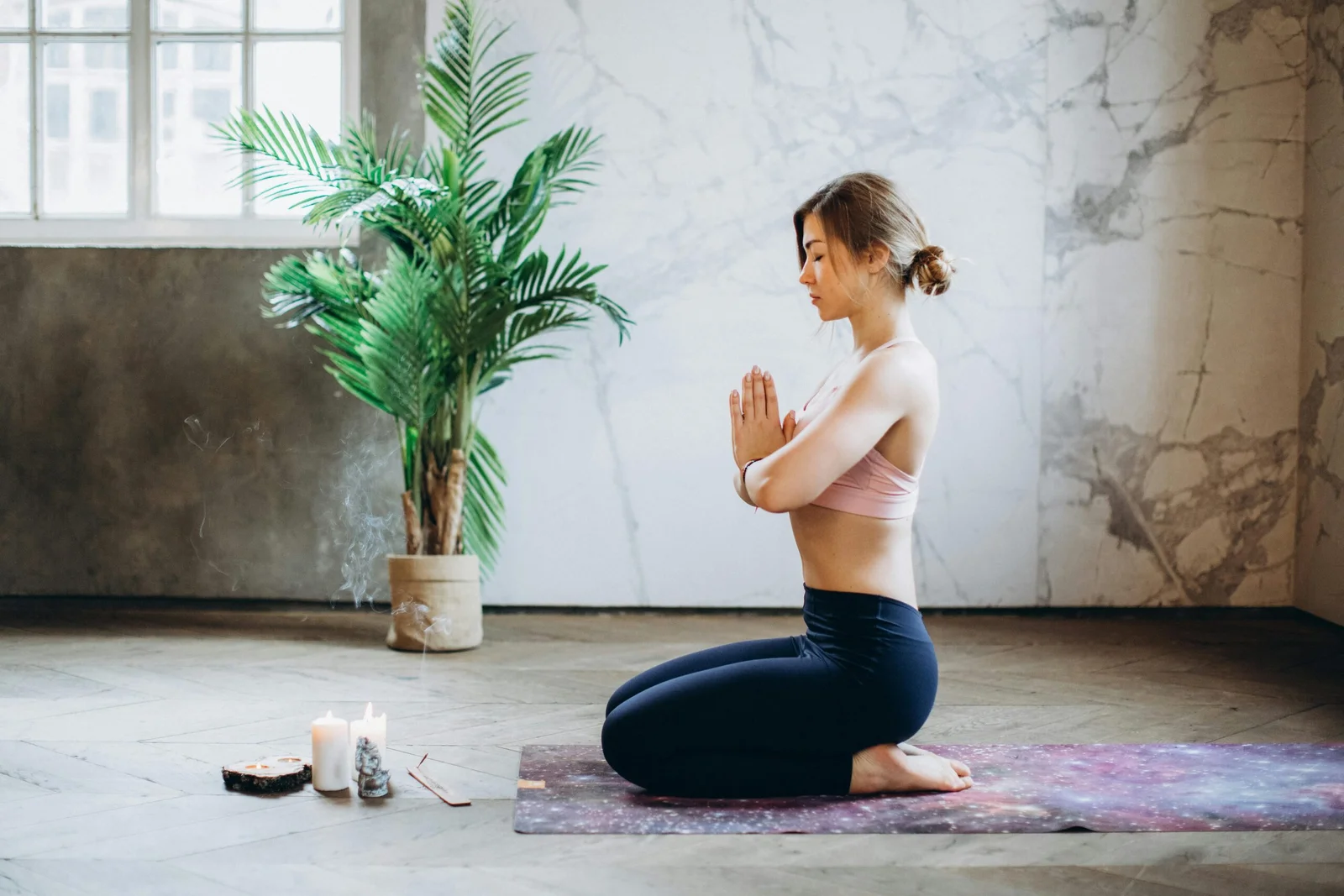
- Choose a quiet, peaceful spot where you won’t feel disturbed. This will let you perform yoga with undisturbed concentration.
- Try to stay present during your yoga session and focus on your breath. This will help you remain grounded and calm.
- Be consistent if you want to experience long-lasting effects.

Conclusion
In today’s world, where mental peace is often overlooked, finding a tool that addresses both the body and the mind is invaluable. Yoga for mental health is more than just a trend. It is a sustainable path toward emotional clarity, resilience, and overall well-being.
Rather than offering a temporary fix, yoga for mental health gently transforms how we respond to stress, anxiety, and inner turmoil. Over time, it fosters balance, awareness, and strength from within. By dedicating just a few moments each day to movement and mindfulness, you are not only nurturing your body but also creating space for your mind to breathe and flourish.
How Cyclone Narelle Turned the Australian Sky Blood Red?
How Cyclone Narelle Turned the Australian Sky Blood Red? The residents of Shark Bay, Western Australia, awoke this past Friday […]

Microsoft HR Overhaul: Chief People Officer Signals End of “Stability Era” In a bold internal move, Microsoft’s Chief People Officer, […]

Vijay Mallya Era Ends: Relinquishes All Ties to RCB as Global Consortium Takes Over
Vijay Mallya Era Ends: Relinquishes All Ties to RCB as Global Consortium Takes Over The final chapter of Vijay Mallya’s […]

8th Pay Commission Roadmap Revealed: Government Details Mandate and Timeline in Parliament
8th Pay Commission Roadmap Revealed: Government Details Mandate and Timeline in Parliament The Central Government has officially shared the comprehensive […]

Bangladesh Exit T20 World Cup 2026 as ICC Impasse Deepens
Bangladesh Exit T20 World Cup 2026 as ICC Impasse Deepens In a historic first for Bangladesh cricket, the nation will […]
Mental Health in 2026: Why Anxiety Is Rising and How to Heal
Mental Health in 2026: Why Anxiety Is Rising and How to Heal Anxiety in 2026 rarely looks dramatic. More often, […]


