
Artemis II Lunar Flyby: Humanity Breaks Distance Records in Historic Return to the Moon
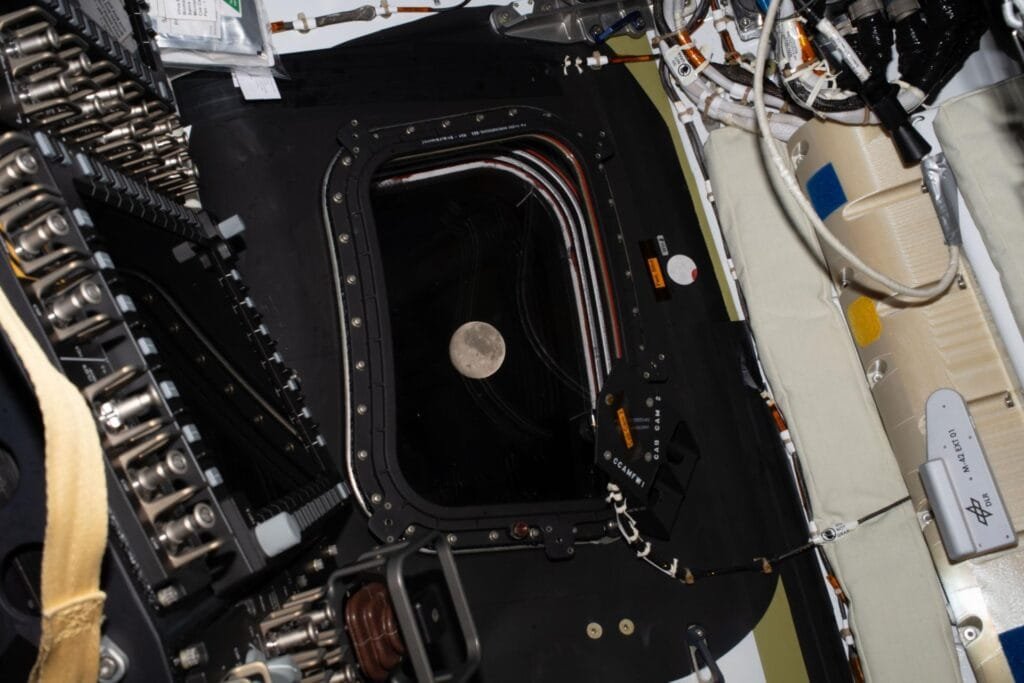
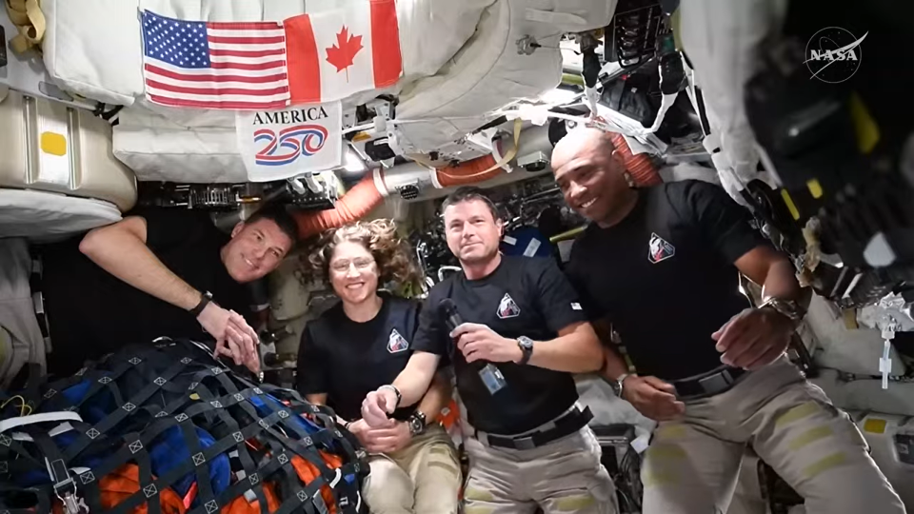
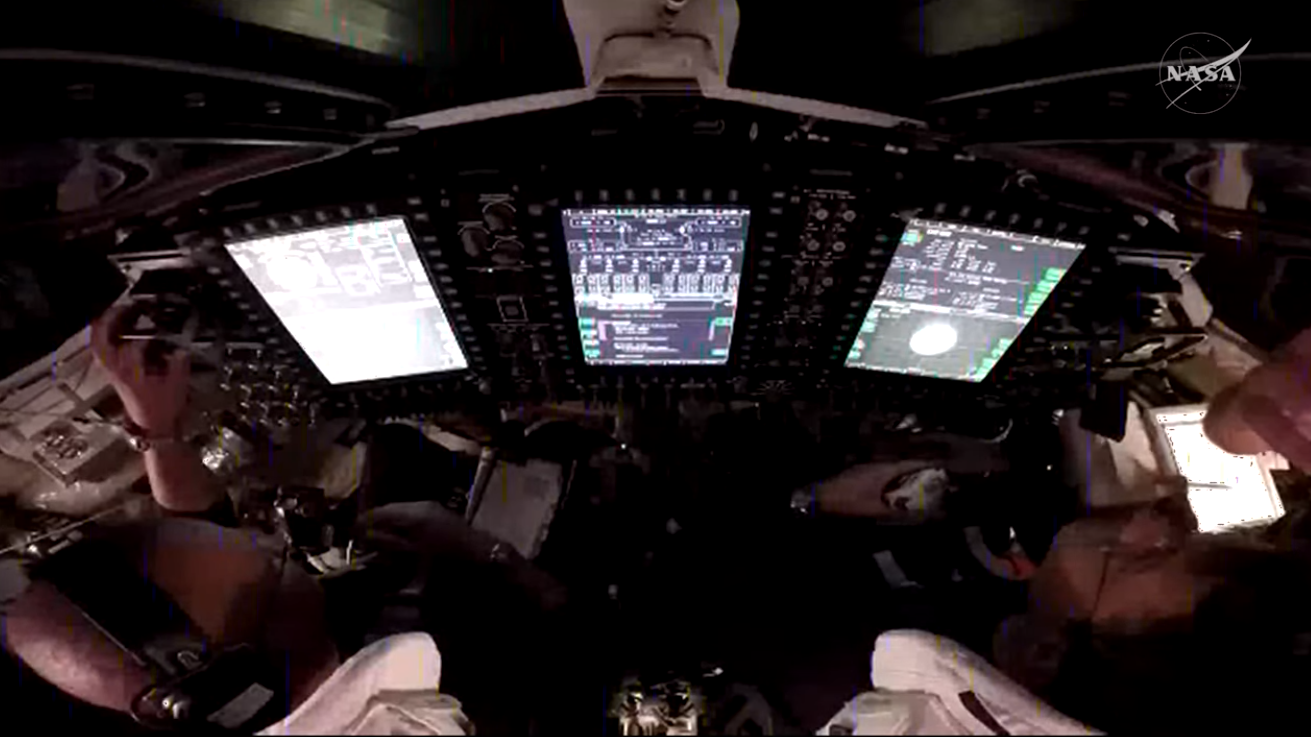
In a monumental leap for space exploration, the Artemis II mission successfully executed its lunar flyby on Monday, April 6, 2026, marking the first time humans have visited the lunar vicinity in over 50 years. The crew, consisting of NASA astronauts Reid Wiseman, Victor J Glover, and Christina Koch, alongside CSA astronaut Jeremy Hansen, entered the Moon’s sphere of influence at 12:37 a.m. EDT (10:07 a.m. IST). This milestone signaled the moment the Moon’s gravity became the dominant force pulling on the Orion spacecraft, transitioning the mission from “rising away from Earth” to “falling toward the Moon.”
The flight day was defined by record-shattering achievements and deep nostalgia. At 1:56 p.m. EDT (11:26 p.m. IST), Artemis II officially surpassed the 56-year-old record held by Apollo 13 for the farthest distance traveled by a human-crewed spacecraft. The crew reached a maximum distance of 252,756 miles from Earth at 7:02 p.m. EDT (4:32 a.m. IST, April 7), placing them more than 4,000 miles further into the cosmos than any human in history. During the journey, the crew received a moving pre-recorded message from the late Apollo legend Jim Lovell, who passed the torch of lunar exploration to this new generation.
Table of Contents
ToggleThe Great Lunar Silence: Passing Behind the Far Side
One of the most intense phases of the mission occurred at 6:44 p.m. EDT (4:14 a.m. IST, April 7), when Orion slipped behind the Moon.
- Communications Blackout: As the lunar mass blocked radio signals to Earth’s Deep Space Network, the crew entered a planned 40-minute period of total silence.
- Closest Approach: During this blackout, at 7:00 p.m. EDT (4:30 a.m. IST), Orion reached its closest point to the lunar surface—just 4,067 miles above the pockmarked terrain.
- Velocity: The spacecraft maintained a blistering speed of approximately 60,863 mph relative to Earth, while cruising at a serene 3,139 mph relative to the Moon.

Scientific Observations: Analyzing the Lunar Crust
The seven-hour observation window allowed the crew to act as human eyes for lunar scientists back in Houston:
- Mineral Nuances: Astronauts reported subtle shades of browns and blues on the surface, which help scientists identify mineral compositions and the age of geologic features.
- Key Targets: The crew studied the Orientale basin, a 600-mile-wide impact site, and the Hertzsprung basin, comparing their topography to understand how lunar features degrade over billions of years.
- High-Speed Impacts: During the unlit portion of the flyby, the crew reported seeing six flashes of light caused by meteoroids striking the lunar surface, providing data on potential hazards for future Artemis landings.
Celestial Spectacles: Earthrise and Solar Eclipse
The crew witnessed rare visual phenomena that few humans have ever seen firsthand:
- Earthset and Earthrise: The astronauts watched the Earth glide behind the lunar horizon (Earthset) and re-emerge 40 minutes later (Earthrise) at 7:24 p.m. EDT (4:54 a.m. IST, April 7).
- Space-Based Solar Eclipse: From 8:35 p.m. to 9:32 p.m. EDT (6:05 a.m. to 7:02 a.m. IST, April 7), the Sun passed behind the Moon from Orion’s perspective.
- Solar Corona Study: During the eclipse, the crew analyzed the Sun’s outermost atmosphere, the corona, as it glowed around the dark edge of the Moon.

Provisional Naming: Integrity and Carroll Craters
In a personal and historic moment, the crew proposed names for two previously unnamed craters they observed with the naked eye:
- Crater Integrity: Located northwest of the Orientale basin, named in honor of their spacecraft and the mission’s core values.
- Crater Carroll: Located northeast of Integrity, named in memory of Commander Reid Wiseman’s late wife, Carroll Taylor Wiseman.
- Formal Process: These proposals will be formally submitted to the International Astronomical Union (IAU) for official recognition upon the crew’s return.
A Call from the Oval Office
Following the successful flyby, the crew participated in a live televised conversation with President Donald J. Trump:
- Presidential Congratulations: The President hailed the mission as a testament to American leadership and the bravery of the international crew.
- The Journey Ahead: The crew discussed the importance of Artemis II as the “foundational” mission that will lead to a sustainable human presence on the Moon and eventual voyages to Mars.
- Public Engagement: The astronauts also answered questions from social media, sharing the profound emotional impact of seeing the “Good Earth” as a small marble in the void.
Technical Triumphs and Multimedia Coverage
The mission leveraged cutting-edge technology to share the experience with a global audience:
- Streaming Giants: For the first time, NASA partnered with platforms like Amazon Prime, Netflix, and Disney+ to broadcast live views from Orion’s solar array cameras.
- Data Downlink: High-resolution imagery and audio descriptions are being transmitted back to Earth overnight for immediate scientific analysis.
- Operational Success: Despite the vast distances and system limitations, the Deep Space Network maintained high-quality tracking for the majority of the flyby.
Next Steps: The Journey Back to Earth
As of 9:35 p.m. EDT on April 6 (7:05 a.m. IST, April 7), the lunar observation period has concluded:
- Leaving the Moon: Orion is scheduled to exit the lunar sphere of influence on Tuesday, April 7, at approximately 1:25 p.m. EDT (10:55 p.m. IST).
- Return Trajectory: The spacecraft is now on a “free return” trajectory, using the Moon’s gravity to slingshot itself back toward a splashdown in the Pacific Ocean.
- Science Briefing: On Tuesday, the crew will conduct a detailed science debrief with the lunar evaluation team to discuss their visual findings in depth.
“We forgot how beautiful it is to look down on Earth”: Artemis II Crew Shares First Live Views from Deep Space
“We forgot how beautiful it is to look down on Earth”: Artemis II Crew Shares First Live Views from Deep […]

Global Tech Crisis: Amazon Data Centers Hit by Iranian Drone Strikes in Bahrain and UAE
Global Tech Crisis: Amazon Data Centers Hit by Iranian Drone Strikes in Bahrain and UAE In an unprecedented escalation of […]
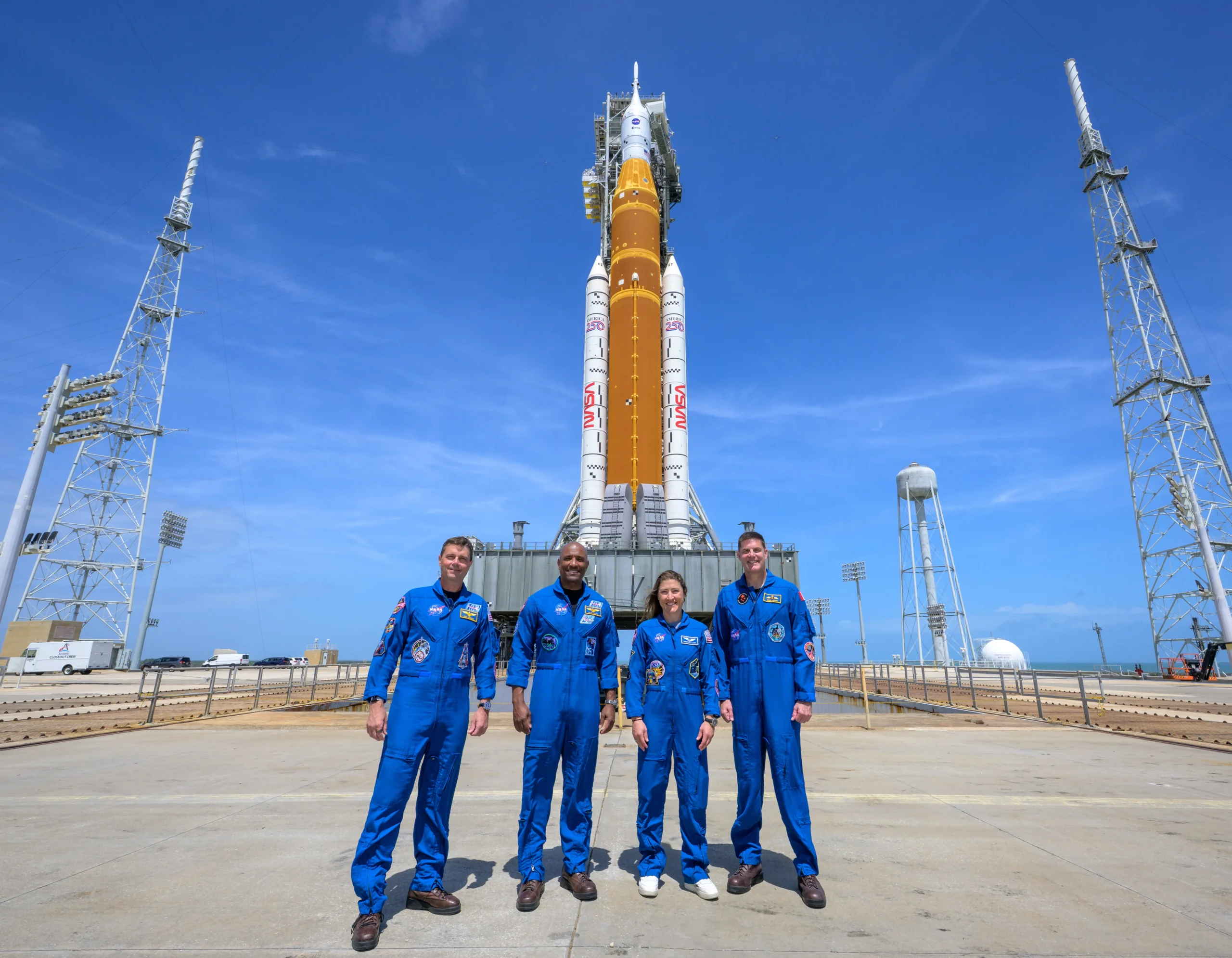
Artemis II: Humanity’s Giant Leap Back to the Moon Begins After 50 Years History is unfolding at Cape Canaveral as […]

World Health Day 2026: A Global Call to “Stand With Science” for a Healthier Future On April 7, 2026, the […]

Voices from Geneva: Baloch Activist Exposes Rising Human Rights Crisis at UNHRC At the 61st session of the United Nations […]

“You’re Dying, Why Do You Need the Script?”: Kubbra Sait Reveals Prakash Jha’s Hilarious Condition for ‘Sankalp’
“You’re Dying, Why Do You Need the Script?”: Kubbra Sait Reveals Prakash Jha’s Hilarious Condition for ‘Sankalp’ Actor Kubbra Sait […]


