
AI Impact Summit 2026 Highlights India’s Inclusive Tech Growth
India’s AI Impact Summit 2026 entered its second day with a strong emphasis on global cooperation, responsible governance, and real-world applications of artificial intelligence, reinforcing the country’s ambition to emerge as a trusted and inclusive AI leader. Hosted at Bharat Mandapam in New Delhi, the summit brought together heads of state, global technology leaders, policymakers, industry experts, and academics, making it one of the most influential AI gatherings in the Global South.
Day 2 shifted focus from vision-setting to execution, regulation, and global alignment, as leaders discussed how AI can transform economies while remaining ethical, inclusive, and culturally aware. From deepfake regulation to healthcare transformation and global partnerships, the conversations highlighted India’s intent to balance innovation with responsibility.
Table of Contents
ToggleGlobal Leadership & International Participation Take Centre Stage
The second day of the summit witnessed an impressive global turnout, underlining India’s growing influence in shaping the global AI agenda. More than 20 heads of state and over 60 ministers participated, alongside delegations from the United States, Europe, Australia, Africa, and Latin America.
Key international engagements included:
- The arrival of Estonian President Alar Karis, marking strong cooperation in digital governance
- Participation from French President Emmanuel Macron, strengthening India-France technology ties
- Confirmation that Bill Gates would attend the India AI Impact Summit, signalling global confidence in India’s AI vision
- Statements from global industry bodies calling the summit a catalyst for deeper international partnerships
Several global leaders praised India for hosting one of the largest AI summits in the Global South, positioning the country as a bridge between advanced economies and developing nations in the AI era.
Responsible AI and Governance Dominate Policy Discussions
A major theme on Day 2 was the urgent need for robust AI governance frameworks. Ministers and policymakers repeatedly stressed that while AI offers unprecedented opportunities, unchecked use could create social, economic, and ethical challenges.
Key governance priorities discussed included:
- Stronger regulations to counter deepfakes and AI-driven misinformation
- Clear accountability frameworks for AI developers and platforms
- Ensuring AI systems align with India’s legal, cultural, and social values
- Preventing the Global South from becoming merely a data source for global AI firms
Union Minister Ashwini Vaishnaw reiterated the need for sovereign AI capabilities, stressing that nations must retain control over strategic technologies to protect national interests and citizen trust.
Big Tech Accountability and Cultural Compliance
One of the most closely watched discussions revolved around the role of global technology companies operating in India. Government officials emphasised that foreign digital platforms must comply with India’s regulatory, legal, and cultural framework.
Speakers highlighted that:
- AI platforms must respect local laws and content standards
- Data usage should be transparent and accountable
- Indian users’ privacy and digital rights must remain protected
This approach was positioned not as a restriction on innovation, but as a necessary step to build trust and sustainable AI ecosystems.
AI Transforming Healthcare Education and Climate Action
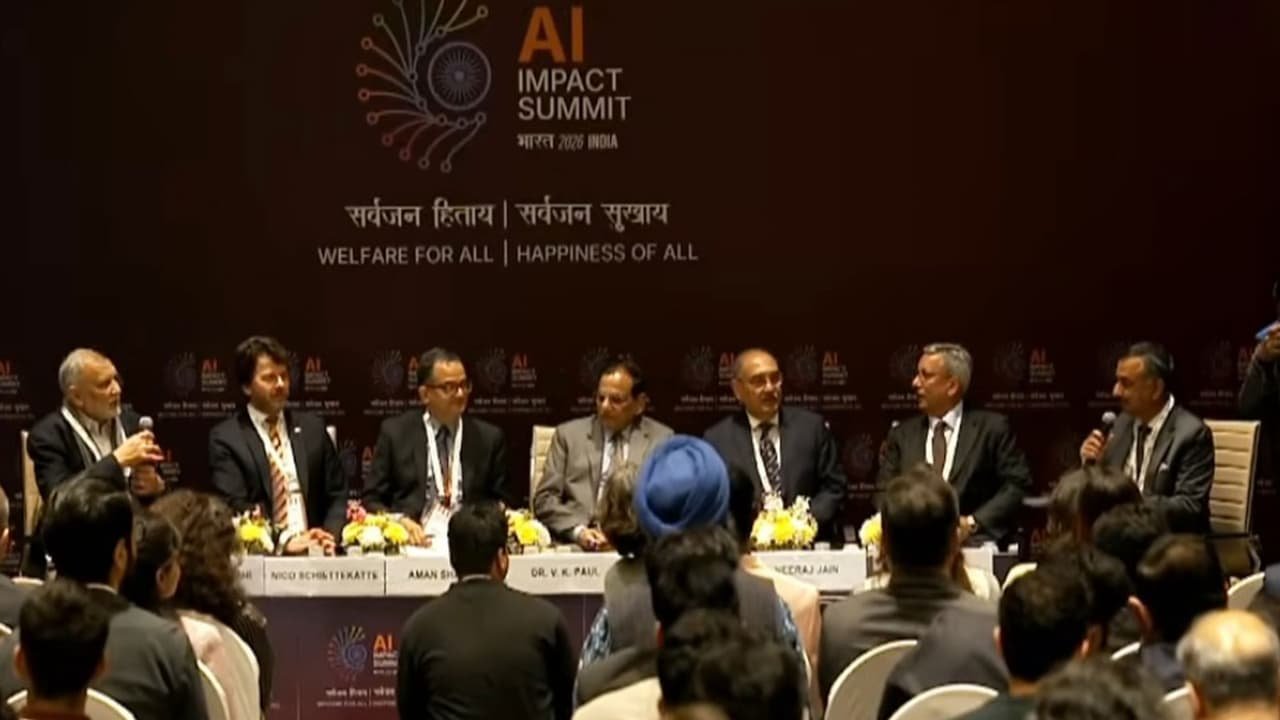
- Healthcare: Dr VK Paul, Member of NITI Aayog, highlighted that AI-driven diagnostics, early disease detection, and digital health platforms could significantly improve access and outcomes, especially in rural regions. He stressed that AI tools must be trustworthy, technically valid, and clinically useful to strengthen public health approaches.
- Education: Sridhar Vembu, Founder of ZOHO Corporation, explained how AI-enabled learning tools can act as “massive boosters” for personalised education. He pointed out that small, purpose-built AI models help teachers reach students better and enable practical skill development, including small-scale innovations like custom electric vehicles for students.
- Climate Action: Anurabha Ghosh, CEO of the Council on Energy, Environment and Water (CEEW), said AI can optimise clean energy use, predict storm surges, and improve climate-resilient agricultural practices. He emphasised that intentional use of AI is key to aligning technology with sustainability and saving lives.
Technology Showcases and Innovation on Display
Day 2 also featured live demonstrations and exhibitions that brought policy discussions to life. Technology firms and startups showcased cutting-edge innovations, reflecting India’s rapidly evolving AI ecosystem.
Notable highlights included:
- Humanoid robots and advanced robotics systems demonstrated by global chipmakers
- Indian AI models trained on local datasets to ensure cultural and linguistic relevance
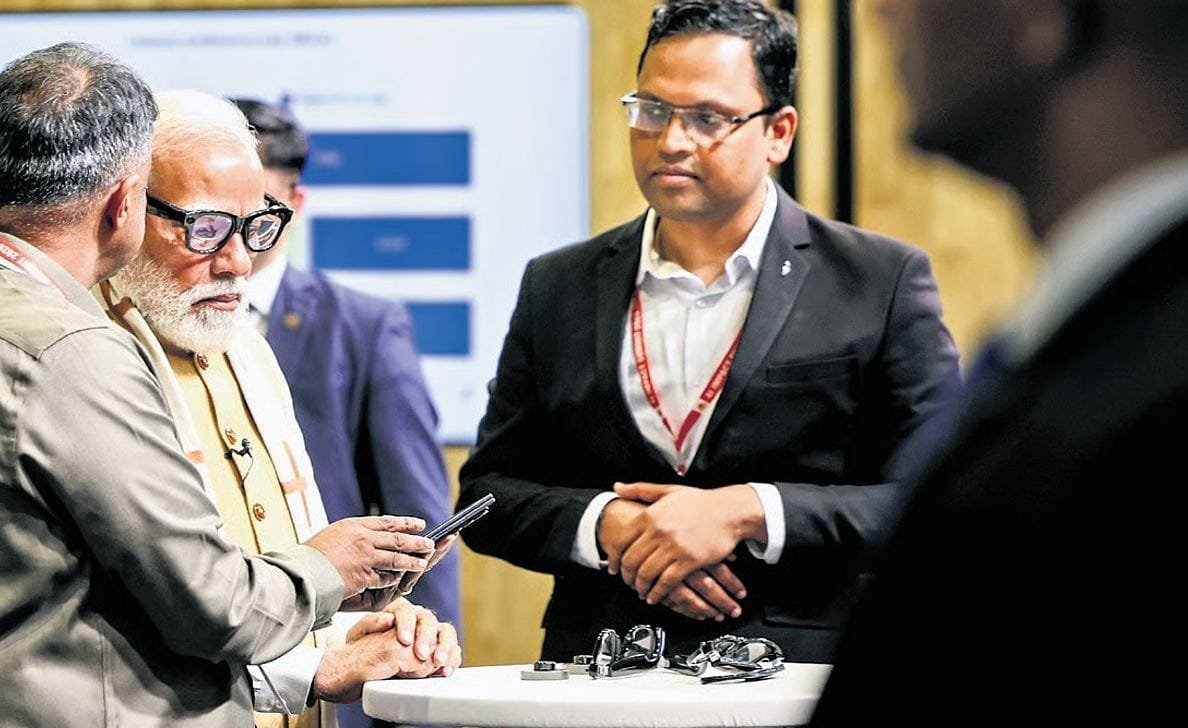
- AI-powered wearables tested by senior leaders, showcasing practical applications
These demonstrations reinforced the message that India is not just discussing AI policy but actively building and deploying next-generation technologies.
Child Safety Privacy and Ethical AI in Focus
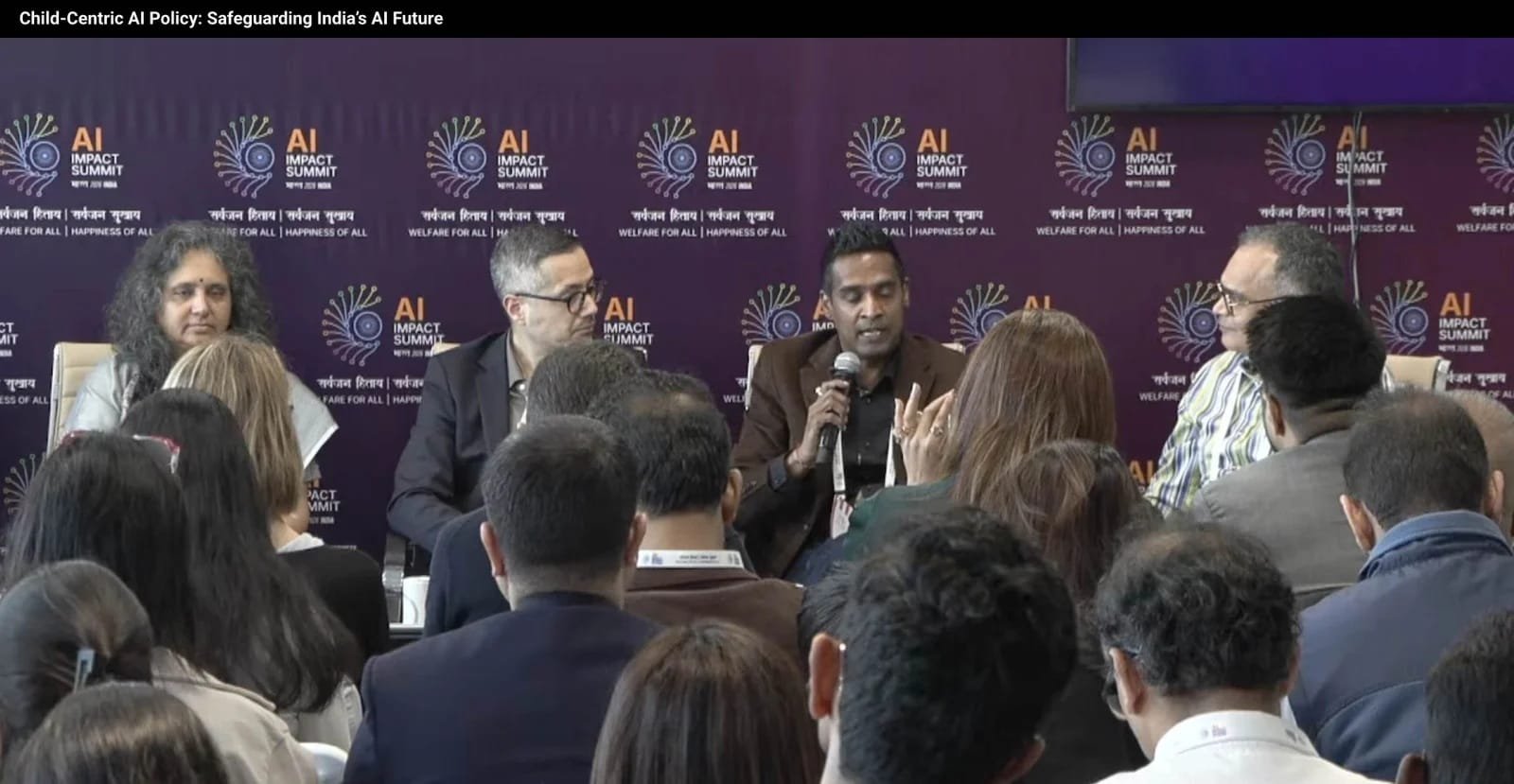
A dedicated set of panels addressed the impact of AI on children and young users. Policymakers, social media companies, and child safety advocates stressed that certain safeguards must remain non-negotiable.Key takeaways included:
- Strong parental controls and privacy-first AI design
- Protection against harmful or manipulative AI-generated content
- Ethical standards for AI systems used in education and entertainment
Industry representatives acknowledged that child safety must be embedded at the design stage, not added later as an afterthought.
India’s Role as Voice of the Global South
A recurring message throughout Day 2 was India’s determination to represent the Global South in global AI conversations. Speakers warned against the risk of widening inequality if AI development remains concentrated in a few advanced economies.
India’s approach emphasises:
- Democratizing access to AI technologies
- Supporting developing nations with policy frameworks and shared platforms
- Ensuring AI benefits farmers, students, small businesses, and local governments
This positioning strengthens India’s image as a responsible AI leader advocating fairness, equity, and inclusion on the global stage.
What Day 2 Signals for India’s AI Journey
As the summit progressed, Day 2 made it clear that India’s AI ambitions extend beyond national borders. The focus on global cooperation, ethical governance, sectoral impact, and technological readiness signals a mature and balanced AI strategy.
Key signals from Day 2 include:
- India aims to shape global AI rules, not just follow them
- Innovation and regulation are being pursued in parallel
- AI is being positioned as a tool for societal transformation, not disruption
With strong international participation and detailed policy discussions, the second day of the AI Impact Summit 2026 reinforced India’s role as a trusted convener and future-ready AI powerhouse.

SA vs NZ High Voltage Battle Lights Up T20 World Cup 2026
SA vs NZ High Voltage Battle Lights Up T20 World Cup 2026 The Narendra Modi Stadium is set to witness […]

India vs Namibia 2026 T20 WC High-Stakes Clash Live Tonight
India vs Namibia 2026 T20 WC High-Stakes Clash Live Tonight New Delhi lights up once again as the ICC Men’s […]

Six Stanzas of Vande Mataram Elevated as Mandatory at Events
Six Stanzas of Vande Mataram Elevated as Mandatory at Events In a significant move aimed at formalising the status of […]
India Unveils Major $175 Million Growth Boost for Seychelles
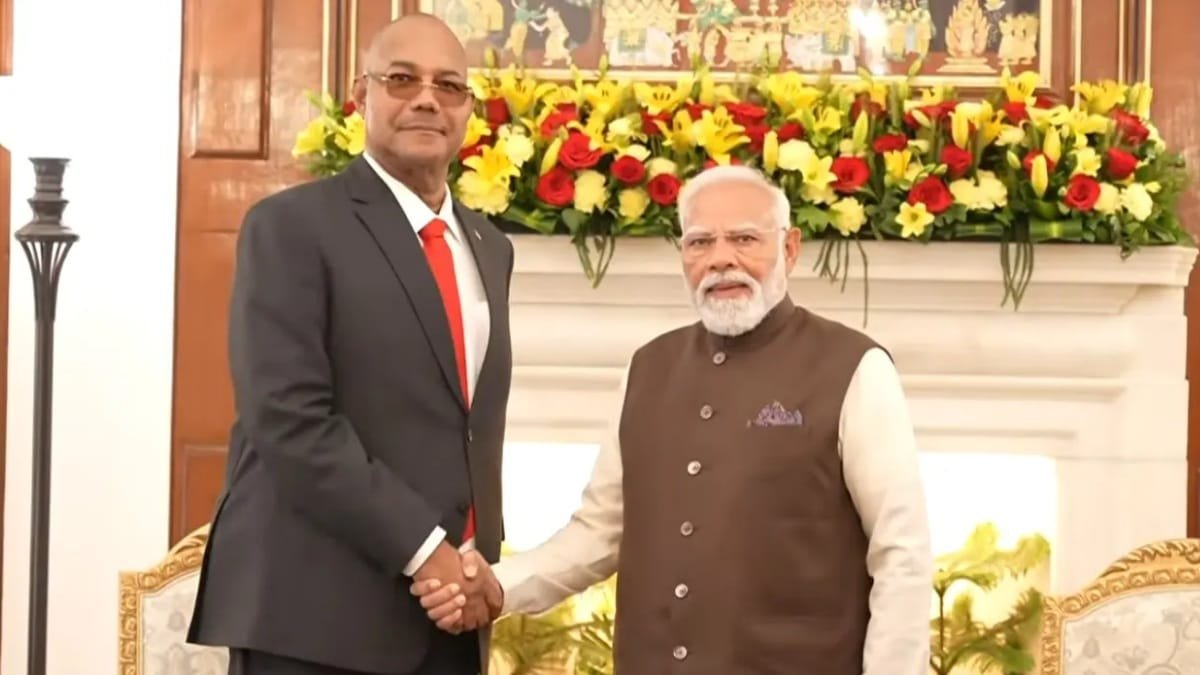
India Unveils Major $175 Million Growth Boost for Seychelles India has announced a $175 million economic assistance package for Seychelles, […]

India-US Trade Deal Moves Ahead as White House Sets Plan
India–US Trade Deal Receives Big Boost From White House The White House has released a detailed fact sheet outlining the […]
India Budget 2026 Strengthens Youth Skills Jobs and Startups
India Budget 2026 Strengthens Youth Skills Jobs and Startups India’s Union Budget 2026-27 has put youth empowerment at the center […]