
Plant-Based Power: Nutrition Benefits of Going Green
Adopting a plant-based diet is more than a personal health choice, it is a lifestyle shift that benefits your body, your mind, and the planet. By reducing the risk of chronic illnesses, improving overall wellbeing, and lowering environmental impact, going green with your meals can create lasting change for both you and the world around you.
Why a Plant-Based Diet Supports Better Health
A plant-based diet is linked to a reduced risk of diabetes, heart disease, and certain cancers. Such diets are naturally low in saturated fats and cholesterol, yet high in fiber, vitamins, and antioxidants. This combination helps lower blood pressure, improve cholesterol levels, and maintain a healthy weight.
Meals built around fruits, vegetables, whole grains, legumes, nuts, and seeds provide steady energy, improve digestion, and support mental wellbeing. Over time, these benefits can also reduce healthcare costs by preventing chronic diseases that require expensive treatments.
Beyond physical advantages, many people find emotional fulfilment in knowing their food choices align with ethical and environmental values.
Table of Contents
ToggleWhy a Plant-Based Diet Supports Better Health
A plant-based diet is linked to a reduced risk of diabetes, heart disease, and certain cancers. Such diets are naturally low in saturated fats and cholesterol, yet high in fiber, vitamins, and antioxidants. This combination helps lower blood pressure, improve cholesterol levels, and maintain a healthy weight.
Meals built around fruits, vegetables, whole grains, legumes, nuts, and seeds provide steady energy, improve digestion, and support mental wellbeing. Over time, these benefits can also reduce healthcare costs by preventing chronic diseases that require expensive treatments.
Beyond physical advantages, many people find emotional fulfilment in knowing their food choices align with ethical and environmental values.
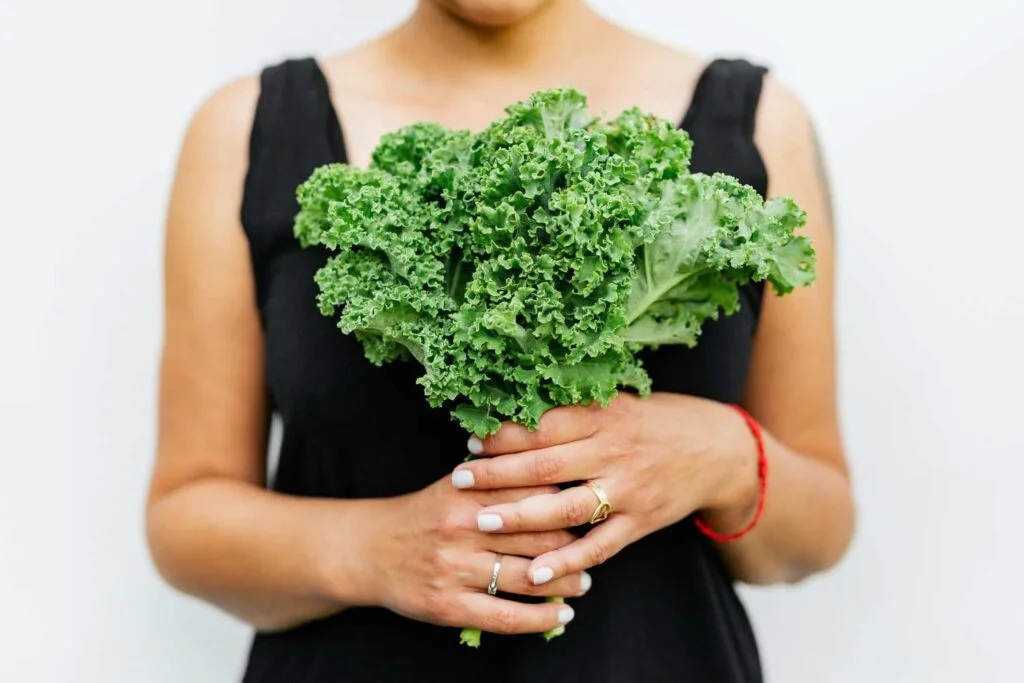
Nutritional Advantages of Going Plant-Based
A well-planned plant-based diet delivers all the nutrients needed for optimal health. Key benefits include:
- Reduced inflammation from antioxidant-rich fruits and vegetables, lowering the risk of chronic disease.
- Stronger immunity through vitamins, minerals, and fiber that support immune system function.
- Lower cancer risk by neutralizing harmful free radicals that damage cells.
Nutrient highlights:
- Protein: Lentils, chickpeas, tofu, tempeh, nuts, and seeds.
- Fiber: Whole grains, fresh produce, and legumes for digestive and metabolic health.
- Healthy fats: Avocados, olive oil, coconut oil, and nuts to support heart and brain function.

The Environmental Case for Going Green
The benefits of a plant-based diet extend far beyond personal health. Animal agriculture is a leading driver of environmental damage, contributing significantly to greenhouse gas emissions, deforestation, and water scarcity.
- Lowering emissions: Livestock farming produces about 15% of global greenhouse gases and 65% of nitrous oxide emissions, a gas 300 times more potent than carbon dioxide.
- Preserving resources: Raising animals consumes over half of the world’s freshwater and requires vast amounts of land for grazing and feeding crops.
- Protecting biodiversity: A major part of global deforestation is linked to agricultural expansion, much of it for livestock production, leading to habitat destruction and species loss.
By shifting even part of your diet toward plant-based foods, you help conserve water, reduce carbon emissions, and protect natural habitats.
Making the Transition Smooth and Sustainable
Switching to a plant-based diet does not have to be an all-or-nothing change. A gradual shift often works best, allowing your taste buds, habits, and cooking skills to adapt.
- Start small by replacing one meat-based meal each week with a plant-based option.
- Plan your meals to keep your diet balanced and prevent last-minute unhealthy choices.
- Prioritize nutrition by including protein-rich legumes, tofu, nuts, and seeds, while monitoring intake of iron, vitamin B12, and omega-3 fatty acids.
- Limit processed foods to avoid excess sugar, salt, and unhealthy fats.
Consulting a nutritionist can help tailor your diet to your needs while ensuring you meet all nutrient requirements.
Practical Steps for Everyday Living
To make plant-based eating a lasting habit:
- Transition gradually, adding more plant-based meals each week.
- Plan balanced meals with protein, healthy fats, and fiber.
- Choose seasonal and local produce for fresher flavors and a smaller environmental footprint.
- Experiment with recipes such as dairy-free cashew sauces or hearty lentil stews.
These strategies make the shift enjoyable and sustainable, ensuring you get the health benefits without feeling restricted.
Debunking Common Myths
One of the biggest misconceptions is that a plant-based diet is bland or lacks variety. In reality, creative cooking techniques, fresh herbs, and global recipes can make plant-based meals flavourful and satisfying.
Protein is another frequent concern. Combining plant-based sources such as lentils, beans, whole grains, nuts, and seeds ensures all essential amino acids are covered. Once you explore these options, it becomes clear that variety and nutrition are both achievable without relying on animal products.
Sustainability Beyond the Plate
A plant-based lifestyle is not just about what you eat, but how you approach food overall. Supporting sustainability means:
- Buying organic when possible to reduce pesticide use.
- Minimizing food waste through proper storage and mindful shopping.
- Choosing energy-efficient cooking methods like steaming or stir-frying.
- Drinking tap water instead of bottled to reduce plastic waste.
These small actions, combined with plant-forward eating, amplify your positive impact on the planet.
A plant-based diet has the potential to transform your health, reduce your environmental footprint, and align your daily choices with sustainable values. Whether you begin with one meatless day a week or commit fully, each plant-based meal is a step toward a healthier you and a healthier planet.
Next time you prepare a meal, let plants take center stage; you might find the benefits reach far beyond your plate.

WI vs SA T20 WC Massive Super 8 Clash with Semis in Sight
SA vs WI T20 WC Massive Super 8 Clash with Semis in Sight The Super 8 battle intensifies as South […]

SL vs NZ Grand Super 8 Showdown T20 WC 2026 in Colombo
SL vs NZ Grand Super 8 Showdown T20 WC 2026 in Colombo Pressure creates clarity and the Super Eight stage […]

T20 WC England Aim Powerful Semifinal Leap Against Pakistan
T20 WC England Aim Powerful Semifinal Leap Against Pakistan The T20 World Cup 2026 has thrived on chaos, cliffhangers, and […]

SA vs NZ High Voltage Battle Lights Up T20 World Cup 2026
SA vs NZ High Voltage Battle Lights Up T20 World Cup 2026 The Narendra Modi Stadium is set to witness […]

India vs Namibia 2026 T20 WC High-Stakes Clash Live Tonight
India vs Namibia 2026 T20 WC High-Stakes Clash Live Tonight New Delhi lights up once again as the ICC Men’s […]

Six Stanzas of Vande Mataram Elevated as Mandatory at Events
Six Stanzas of Vande Mataram Elevated as Mandatory at Events In a significant move aimed at formalising the status of […]