

Urgent Tsunami Warnings Issued Following 7.5 Magnitude Earthquake Off Japan’s Northeast Coast

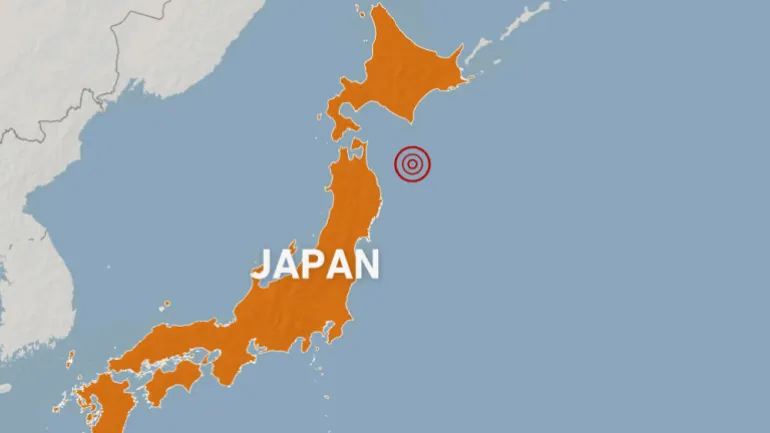
A powerful 7.5 magnitude earthquake has struck off the northeast coast of Japan, triggering immediate tsunami warnings for the Iwate and Hokkaido prefectures. Authorities are now bracing for potentially larger waves following an initial seismic event, with officials urging residents in coastal regions to evacuate to higher ground immediately.

Prime Minister Sanae Takaichi has issued a stern directive, calling on all individuals within the impacted zones to prioritize safety and move away from riverside and coastal areas. While an initial 40cm wave has already been recorded at the Miyako port in Iwate, the Japan Meteorological Agency (JMA) has forecasted that subsequent waves could reach heights of up to 3 meters (10 feet).

Critical Updates and Situation Report

  • Evacuation Orders: Local authorities are actively using loudspeakers to broadcast evacuation orders, urging residents to move to higher ground or designated evacuation buildings.
  • Infrastructure Status: While the situation remains fluid, officials have confirmed that no abnormalities have been reported at nuclear power plants in the region. Ongoing safety checks are currently being conducted at the Fukushima Daiichi plant.
  • Public Response: Reports from the ground indicate that office workers have been released early to facilitate safe travel, and residents are largely following established safety protocols as local authorities continue to monitor the coast.
Japan Earthquake Tsunami

Understanding Japan's Tsunami Alert System

The Japan Meteorological Agency utilizes a tiered alert system to manage public safety during seismic events. The current warnings for the northeast coast fall under the following criteria:

  • Major Tsunami Warning: Issued when waves of 5 to 10 meters are expected; these represent “huge” and catastrophic surges.
  • Tsunami Warning: The current level of alert, issued when waves of 1 to 3 meters are expected. Residents in these areas are instructed to evacuate immediately.
  • Tsunami Advisory: The lowest-level alert, issued for waves below 1 meter. Individuals are advised to clear beaches and coastal waters instantly.

Voices from the Ground

As the region remains on high alert, residents are sharing their experiences with the unfolding crisis. Chaw Su Thwe, a resident living in Hokkaido, described the moment the earthquake struck:

“As soon as we heard the earthquake alert, everyone ran downstairs. Right now, local authorities are using loudspeakers in the neighbourhood to warn people about a possible tsunami and to stay alert. At my workplace, the boss has told us to stay cautious and to come to them if anything happens.”

The situation remains dynamic, and the JMA continues to update its forecasts as further seismic data becomes available. Residents are advised to monitor official channels and local news outlets for the latest directives.

Japan Earthquake Tsunami

Historical Context and Seismic Resilience

  • Tectonic Setting: Japan is positioned at the confluence of four major tectonic plates along the Pacific Ring of Fire, making it one of the most seismically active nations in the world.
  • Advanced Engineering: Due to this risk, the country maintains world-class building codes and advanced early-warning infrastructure.
  • Structural Innovation: Modern buildings in cities like Miyako and across the Tohoku region utilize base-isolation technology, which allows structures to absorb kinetic energy during tremors.
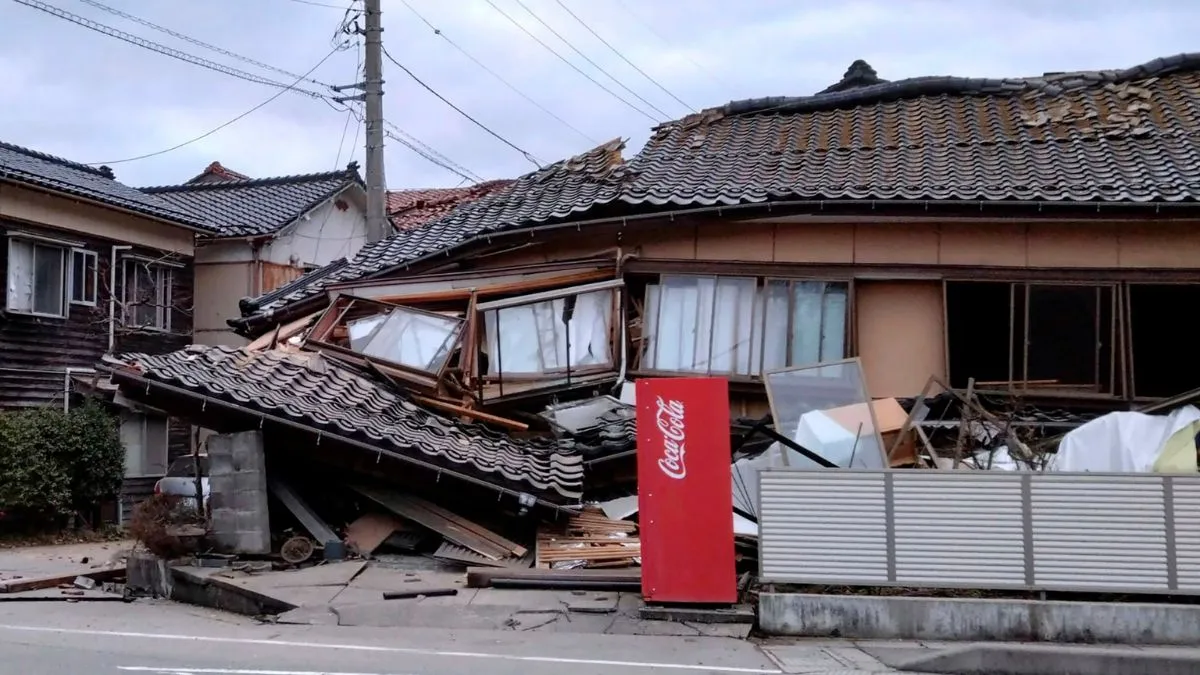
  • Mitigation of Impact: These rigorous protective measures are fundamental in preventing widespread structural collapse and minimizing casualties, even during intense magnitude 7.5 events.
Transportation and Critical Infrastructure Disruptions
  • Rail Connectivity: The East Japan Railway Company has immediately suspended the Tohoku Shinkansen line between Tokyo and Shin-Aomori, a critical artery for regional connectivity.
  • Safety Protocols: These suspensions serve as a mandatory precautionary measure to allow for comprehensive inspections of tracks and tunnels for any signs of seismic damage.
  • Maritime Orders: Authorities have directed fishing vessels and coastal traffic to move toward deeper waters or seek refuge in safe harbors, as unpredictable tsunami currents pose a severe threat to port safety.
Emergency Protocols and Ongoing Monitoring
  • Crisis Management: Prime Minister Sanae Takaichi has mobilized a dedicated crisis management team at the Prime Minister’s Office to coordinate rescue operations and disseminate verified information.
  • Real-Time Data: The Japan Meteorological Agency (JMA) is providing continuous updates, monitoring for aftershocks—which remain likely following an earthquake of this magnitude.
  • “Tsunami Trains” Risk: Residents are warned of the danger of “tsunami trains,” where waves arrive repeatedly over several hours. Emergency agencies are maintaining constant surveillance of coastlines using seismic sensors and visual observation to ensure warnings are updated accurately.

Author: M Jyosri

BJP Unveils 'Sonar Bangla' Roadmap

BJP Unveils ‘Sonar Bangla’ Roadmap: 15-Point Manifesto Targets TMC Stronghold for 2026 Polls Union Home Minister Amit Shah officially launched […]

PM Modi Haldia Rally

“Syndicate-Driven” TMC Government Denies Bengal Basic Needs Like Fish: PM Modi in Haldia Launching a scathing attack on the Trinamool […]
Iran Shuts Hormuz

Ceasefire on the Brink: Iran Shuts Strait of Hormuz as Israel Unleashes Largest Strike in Lebanon The fragile 14-day truce […]

Apple iOS 27

Apple Reportedly Testing ‘Undo’ and ‘Redo’ Features for iOS 27 Home Screen In a development aimed at refining the everyday […]

India South Korea Partnership: $50B Trade Target Set

India and South Korea Forge “Futuristic Partnership”: New Trade Targets and Strategic Alliances Announced NEW DELHI, INDIA – In a […]
Strait of Hormuz Reopens

Global Trade Relief as Iran Reopens Strait of Hormuz Following Lebanon Ceasefire In a move that has provided immediate relief […]

Scroll to Top