

Artemis II: Humanity’s Giant Leap Back to the Moon Begins After 50 Years
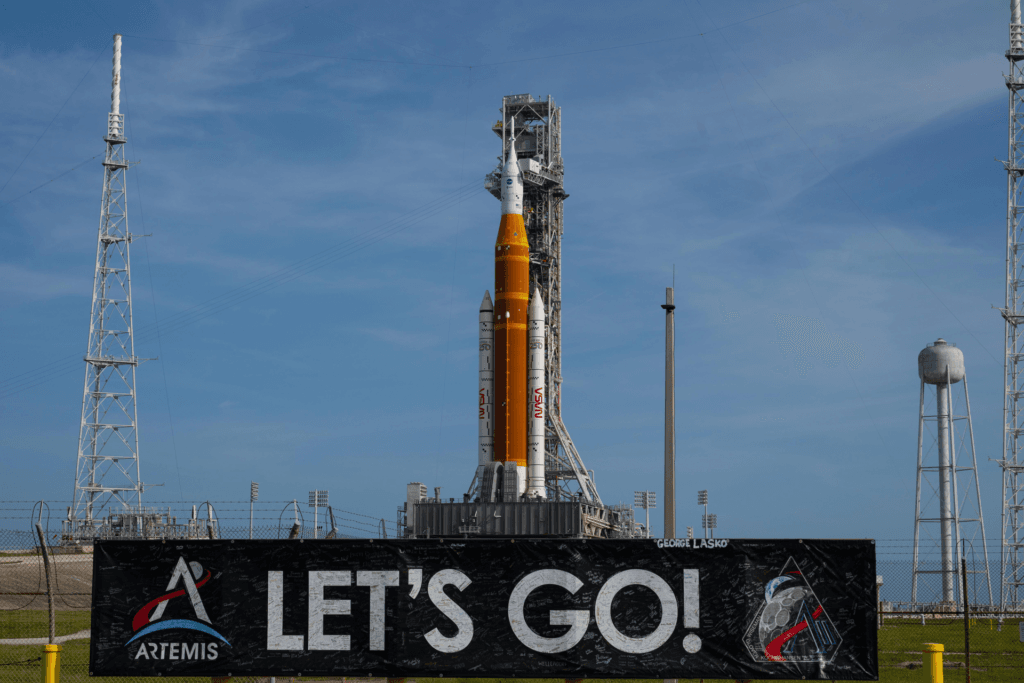
History is unfolding at Cape Canaveral as NASA prepares to launch Artemis II, the first crewed mission to the lunar vicinity since the conclusion of the Apollo era in 1972. This 1-million-kilometer journey represents a pivotal moment in modern space exploration, aimed at proving that humanity is ready to transition from Earth-orbit dominance to deep-space habitation.
The road to this historic countdown has been marked by rigorous engineering challenges, with NASA teams working around the clock to resolve a series of technical setbacks. Recent delays caused by hydrogen and helium leaks forced several postponements, but engineers have now greenlit the massive Space Launch System (SLS) rocket for its 6:24 PM departure. This mission is not merely a flight; it is a high-stakes stress test of the Orion spacecraft’s life-support systems and heat shielding, designed to ensure that the Artemis program can eventually sustain a permanent $20 billion base on the lunar surface.
Table of Contents
ToggleThe Countdown to Blast-Off
After weeks of high-stakes troubleshooting, NASA engineers have cleared the technical hurdles that previously grounded the mission.
- Launch Window: Scheduled for April 1, 2026, at 6:24 p.m. EDT (3:54 a.m. IST on April 2) from Kennedy Space Center’s Launch Complex 39B in Florida.
- The Hardware: The crew will ascend aboard the Orion spacecraft, propelled by the sheer force of the Space Launch System (SLS), the world’s most powerful rocket.
- Overcoming Obstacles: The teams successfully resolved persistent issues involving hydrogen and helium leaks that had caused several recent delays.

A Record-Breaking Flight Path
Artemis II isn’t just a return to the Moon; it is a mission of extremes.
- The Trajectory: The crew will perform a “loop” around the far side of the Moon.
- Distance Record: At its furthest point, the crew will be approximately 400,000 km from Earth, marking the furthest humans have ever traveled into the cosmos.
- Proximity: The spacecraft will skim as close as 6,500 km to the lunar surface, providing unparalleled data on the lunar environment.
Science Beyond the Scenery
While the views will be historic, the mission’s core is rigorous scientific data collection.
- Human Health: NASA will monitor the astronauts’ immune systems and sleep patterns to understand the biological toll of deep-space radiation and microgravity.
- Deep Space Prep: The findings will serve as a blueprint for protecting future crews during the long-duration missions required for Mars exploration.

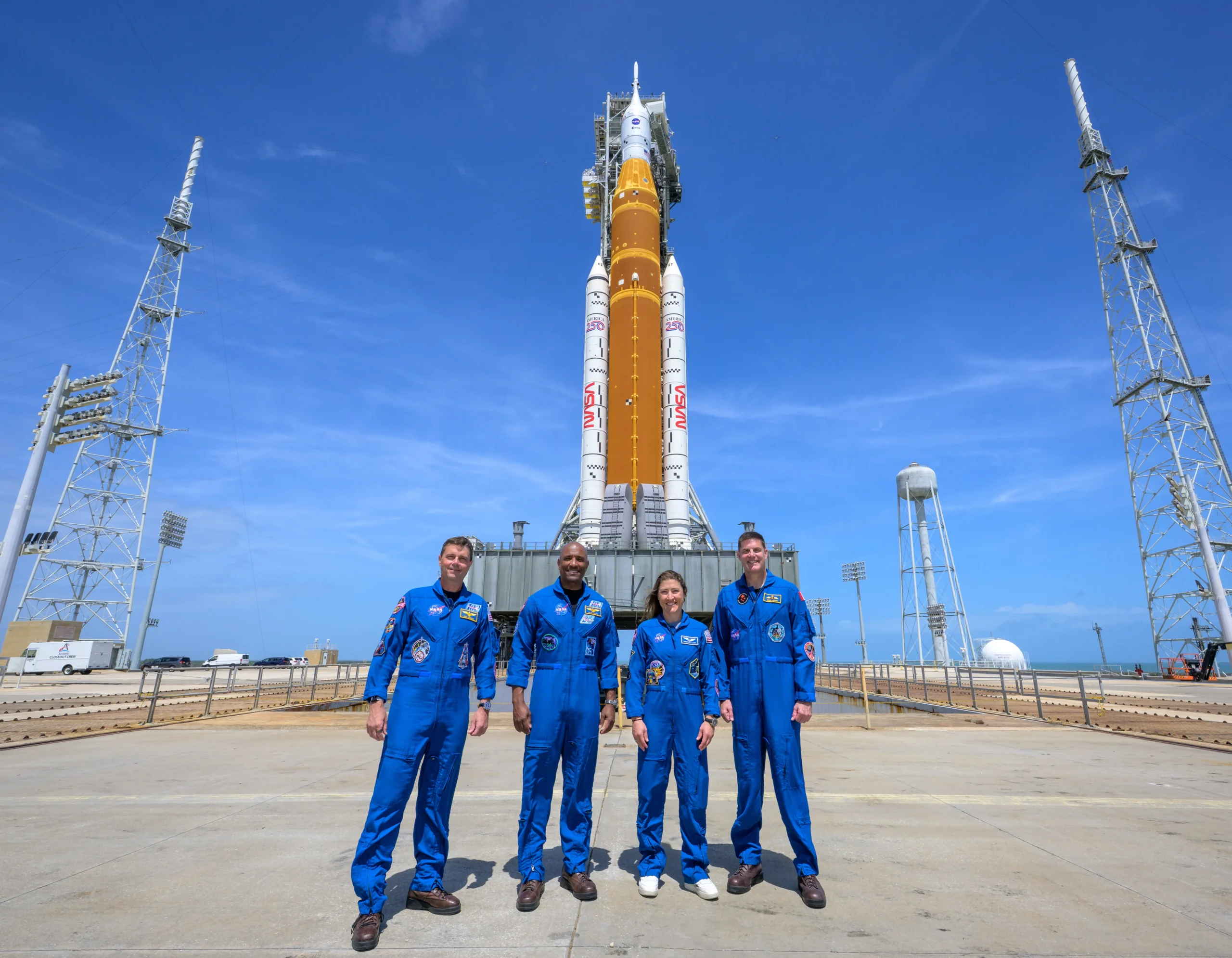
Meet the Historic Artemis II Crew
The four-person crew represents a new era of diversity and international cooperation in space:
- Reid Wiseman (Commander): Leading the mission with veteran expertise.
- Victor Glover: Set to become the first Black man to reach the Moon.
- Christina Koch: Set to become the first woman to reach the Moon.
- Jeremy Hansen: Representing Canada in this historic lunar venture.
The New Space Race: USA vs. China & The Roadmap to Continuous Habitation
NASA Administrator Jared Isaacman, who took the helm in December, has accelerated the program’s timeline, citing a “great power competition” with China.
- The Deadline: With China aiming for a lunar landing by 2030, Isaacman has shifted NASA’s focus toward monthly and yearly milestones.
- Strategic Shift: NASA is now prioritizing frequent flights and a permanent $20 billion Moon base over previous plans for an orbiting station (Lunar Gateway).
Artemis II is the second of several phases designed to put boots back on the ground:
- Artemis III (2027): Will demonstrate critical docking maneuvers in Earth orbit.
- Artemis IV (2028): The scheduled year for the first human lunar landing in over five decades.
- Sustainability: The ultimate goal is to transition from occasional visits to continuous human habitation on the lunar surface.
Splashdown: The Final Act
If the mission proceeds as planned, the world will be watching the Pacific Ocean on the evening of April 10. The Orion capsule is expected to perform a high-speed atmospheric reentry before splashing down off the coast of California, marking the successful completion of a mission 50 years in the making.
Author: M Jyosri
2026 Assembly Elections: How Many Political Parties Are Contesting in West Bengal, Tamil Nadu, Kerala, Assam and Puducherry?
2026 Assembly Elections: How Many Political Parties Are Contesting in West Bengal, Tamil Nadu, Kerala, Assam and Puducherry? The 2026 […]

8th Pay Commission Roadmap Revealed: Government Details Mandate and Timeline in Parliament
8th Pay Commission Roadmap Revealed: Government Details Mandate and Timeline in Parliament The Central Government has officially shared the comprehensive […]

Sonia Gandhi Hospitalized in Delhi for Systemic Infection and Respiratory Health Concerns Congress Parliamentary Party Chairperson Sonia Gandhi was admitted […]

Global Tech Crisis: Amazon Data Centers Hit by Iranian Drone Strikes in Bahrain and UAE
Global Tech Crisis: Amazon Data Centers Hit by Iranian Drone Strikes in Bahrain and UAE In an unprecedented escalation of […]

Kolkata Knight Riders vs Sunrisers Hyderabad IPL 2026 Match Preview The iconic Eden Gardens is set to erupt this Thursday […]
Artemis II: Humanity’s Giant Leap Back to the Moon Begins After 50 Years History is unfolding at Cape Canaveral as […]


