
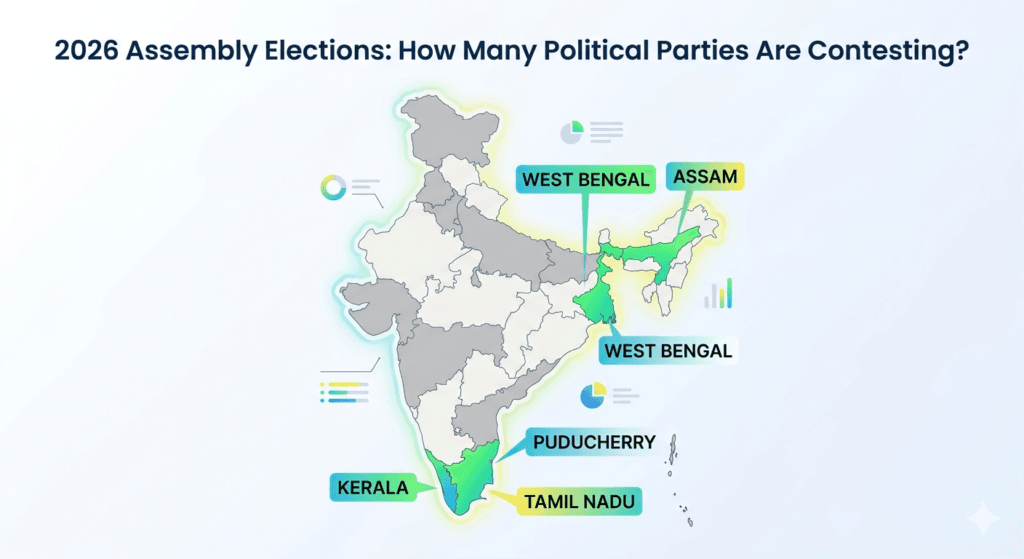
2026 Assembly Elections: How Many Political Parties Are Contesting in West Bengal, Tamil Nadu, Kerala, Assam and Puducherry?

The 2026 Assembly Elections in India are widely being described as the “semi-final” before the next national political battle. With four major states and one Union Territory heading to the polls, political activity across the country has intensified. These elections will not only determine state governments for the next five years but may also reshape the broader national political landscape.

From the high-stakes electoral battle in West Bengal to the ideological rivalry in Tamil Nadu, and the traditional Left vs. Congress contest in Kerala, each region presents a unique political story. Meanwhile, elections in Assam and the Union Territory of Puducherry will also play a crucial role in shaping regional alliances and national narratives. With millions of voters preparing to cast their ballots, the 2026 polls are expected to become one of the most closely watched political events in India.

How Many Political Parties Are Contesting?

In a diverse democracy like India, elections often see participation from hundreds of political parties, including regional groups, smaller registered parties, and independent candidates. However, the 2026 assembly elections are primarily dominated by three broad categories of political players:

  • National parties with country-wide presence
  • Strong regional parties with deep state-level influence
  • Emerging political forces trying to gain a foothold

Together, these groups will shape the outcome of the elections across the five regions.

2026 Assembly Elections

The National Giants

Two major national parties remain central to the political contest across all five regions:

Both parties are contesting either independently or as part of strategic alliances with regional partners. Their performance in these elections will be closely watched as an indicator of political momentum ahead of future national contests.

Regional Powerhouses

While national parties play an important role, regional political parties dominate state-level politics in many of these elections.

West Bengal

The ruling All India Trinamool Congress (TMC) is aiming for a fourth consecutive term, facing strong competition from the Bharatiya Janata Party (BJP) and opposition alliances.

Tamil Nadu

Politics in Tamil Nadu continues to revolve around two major Dravidian parties:

A new political force, Tamilaga Vettri Kazhagam (TVK) led by actor-turned-politician Vijay, has also generated considerable public interest.

Kerala

Kerala traditionally witnesses a direct contest between two major alliances:

This rivalry has defined the state’s politics for decades.

Assam

In Assam, regional parties continue to play a crucial role in coalition politics. Key players include:

These parties often act as alliance partners or kingmakers, influencing the formation of government.

Puducherry

In Puducherry, the All India N.R. Congress (AINRC) remains one of the most influential regional parties, competing alongside national and regional alliances.

The “X-Factors”: Emerging Political Forces

Apart from established national and regional players, several new and emerging political parties could influence the outcome of the elections.

Across the five regions:

  • Around 40–50 recognized political parties are actively campaigning.
  • Hundreds of smaller registered or unrecognized parties are expected to field candidates.
  • Thousands of independent candidates may also contest.

These emerging players can significantly impact vote share and alliances, particularly in closely contested constituencies.

Why the 2026 Elections Matter

The 2026 assembly elections are not only about forming state governments. They are also seen as a political indicator for the future direction of national politics.

For the Bharatiya Janata Party, gaining stronger support in southern states such as Tamil Nadu and Kerala would represent a significant expansion of its political presence.

For opposition parties, retaining power in states like West Bengal and regaining influence in southern states is considered crucial for maintaining political balance at the national level.

Tip for Voters

Voters are encouraged to verify their names in the final electoral rolls before polling day. The Election Commission of India has emphasized the Special Intensive Revision (SIR) process this year to ensure that every eligible voter is included and able to participate in the democratic process.


Author: RSSPL News Desk

Sonia Gandhi

Sonia Gandhi Hospitalized in Delhi for Systemic Infection and Respiratory Health Concerns Congress Parliamentary Party Chairperson Sonia Gandhi was admitted […]
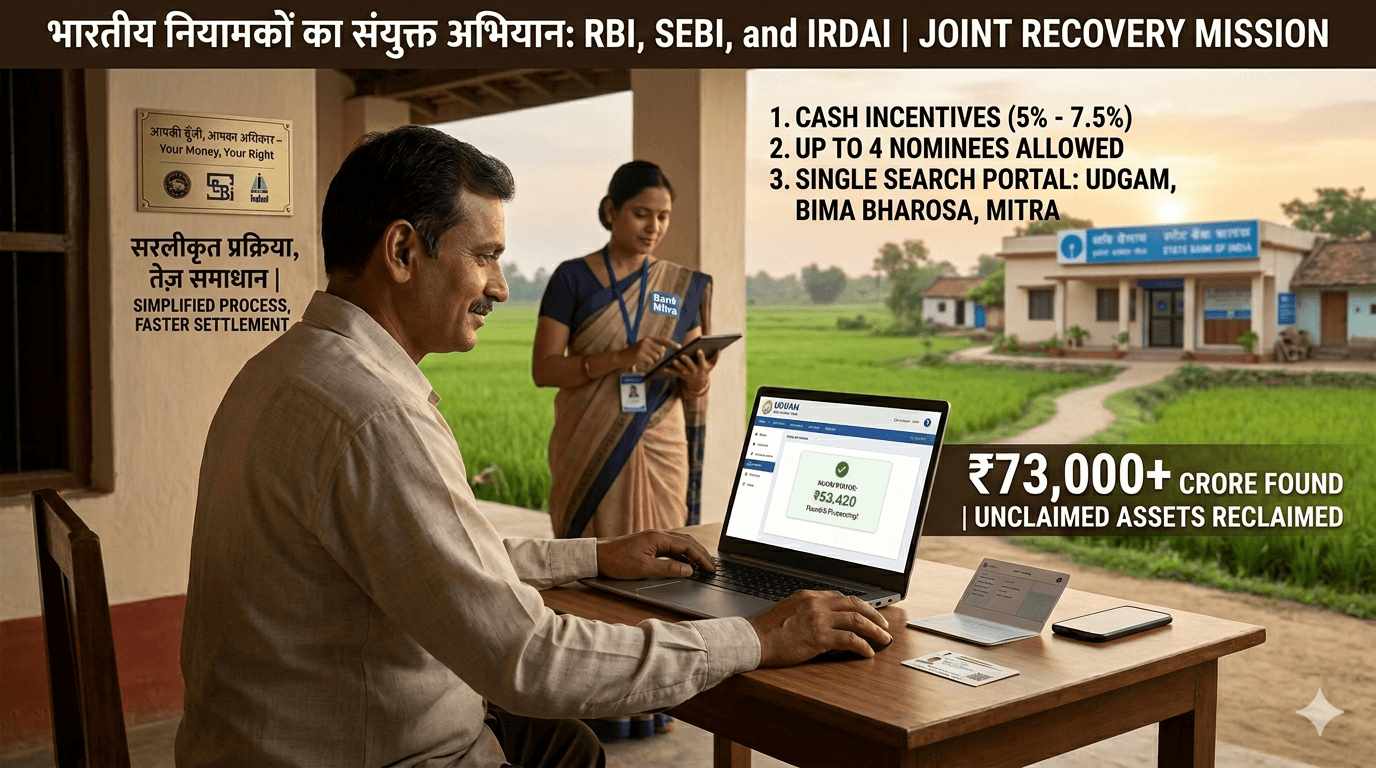
Unclaimed Deposits

RBI, SEBI & IRDAI Joint Mission: The New Way to Get Your “Lost Assets” Back In a massive push for […]
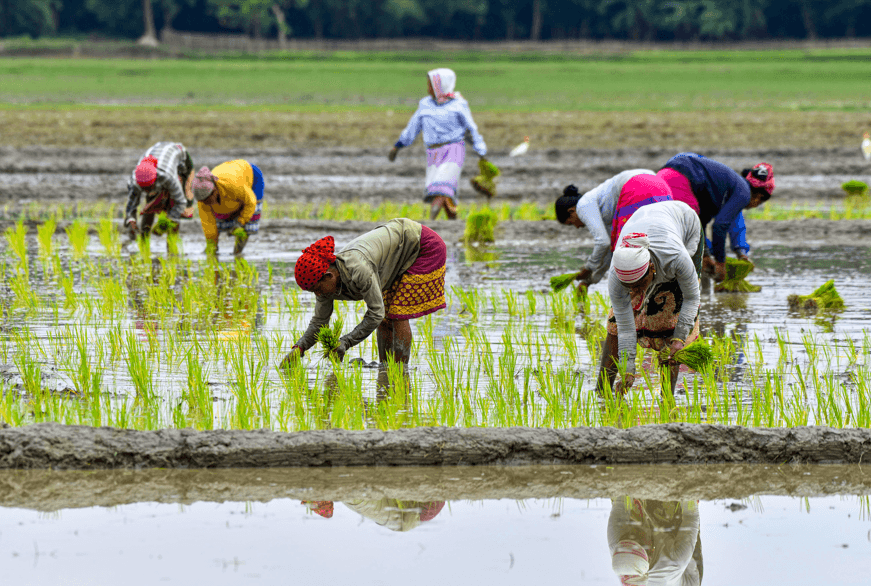
Dhan-Dhaanya Krishi Yojana

The Ministry of Agriculture and Farmers Welfare has launched the Prime Minister Dhan-Dhaanya Krishi Yojana (DDKY) to spark a rural transformation across …

Microsoft HR

Microsoft HR Overhaul: Chief People Officer Signals End of “Stability Era” In a bold internal move, Microsoft’s Chief People Officer, […]

RCB New Owners 2026

Vijay Mallya Era Ends: Relinquishes All Ties to RCB as Global Consortium Takes Over The final chapter of Vijay Mallya’s […]
8th Pay Commission

8th Pay Commission Roadmap Revealed: Government Details Mandate and Timeline in Parliament The Central Government has officially shared the comprehensive […]

Scroll to Top