
Ultra-processed food and sperm quality are now a major public health concern, according to a new study published in the journal Cell Metabolism. The research shows that regularly consuming UPFs (ultra-processed foods), already linked to obesity and chronic diseases, can also reduce sperm quality and negatively affect overall metabolism.
What Are Ultra-Processed Foods?
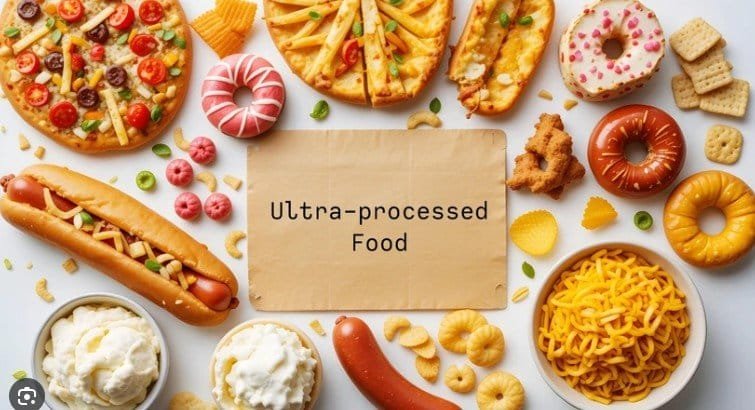
Ultra-processed foods are industrially manufactured items made with additives, artificial flavors, and preservatives. These include:
Processed meats like sausages and salami
Sugary biscuits and packaged snacks
Fizzy drinks and sweetened beverages
Ice creams and frozen desserts
Instant cereals and ready-to-eat meals
Although these foods are convenient, their heavy processing reduces nutritional value and introduces harmful chemicals, making them a hidden danger to human health.

Key Findings of the Study
The research was conducted by scientists at the University of Copenhagen with international collaboration. It was a randomised controlled trial with 43 healthy men aged 20–35. Each participant alternated between two diets: one unprocessed and one rich in ultra-processed foods.
The results were striking. Even though calorie intake was the same, the men on the UPF-rich diet showed:
Higher body weight and fat gain
Hormonal imbalances
Reduced sperm quality
Elevated cholesterol and blood pressure
Increased levels of phthalates (chemicals that disrupt hormones)
This clearly suggests that it is not just calories, fat, or sugar content that matter—the processing itself damages fertility and metabolism.
Link Between UPFs and Male Fertility
The global decline in sperm count has been dramatic—falling by nearly 60% since the 1970s. Experts believe rising consumption of processed foods, combined with obesity and exposure to industrial chemicals, plays a big role in this decline.
Dr. Arun Gupta, pediatrician and nutrition advocate, described the study as one of the strongest warnings yet. He explained, “UPFs will not only expand our waistlines but also threaten reproductive health and increase the risk of chronic diseases.”
Effects on Metabolism and Long-Term Health
UPFs disrupt human metabolism, even without overeating. The trial showed harmful shifts in cholesterol levels, blood pressure, and hormonal activity, which increase the risk of:
Obesity
Type 2 Diabetes
Heart disease
Certain cancers
Mental health disorders
This proves that food quality and processing matter as much as calorie count.
India’s Challenge with UPFs
In India, consumption of packaged foods and sugary drinks is rising quickly. Dr. Gupta warned that the country faces a “ticking time bomb of obesity” if action is not taken.
To reduce the health risks, he suggested:
Front-of-pack warning labels on ultra-processed products
Ban on advertisements of high fat, salt, and sugar foods targeted at children
Health taxes and higher GST on UPFs
Policies to ensure schools and public offices serve fresh, minimally processed meals
He emphasized that leaving the responsibility entirely on individuals will not work without structural and policy changes.
A Path Toward Better Health
The study concluded that reducing ultra-processed food consumption is essential for improving both metabolic health and reproductive fitness. Replacing UPFs with natural and whole foods can make a huge difference. Healthy alternatives include:
Fresh vegetables and fruits
Whole grains like oats, brown rice, and millet
Pulses and legumes
Lean meats, eggs, and fish
Homemade, minimally processed meals
Such changes can help prevent obesity, improve fertility, and lower the risk of lifestyle diseases.

Final Thoughts
The evidence is clear—ultra-processed food and sperm quality are closely linked, and the risks extend beyond reproductive health to metabolism and long-term wellness. With sperm counts falling globally and chronic diseases on the rise, reducing UPF consumption is no longer optional but necessary.
Governments, nutrition experts, and communities must work together to create healthier food systems. Choosing whole foods over processed products is a powerful step individuals can take today for better health, fertility, and longevity.