

India Budget 2026 Unlocking Manufacturing and Jobs Potential
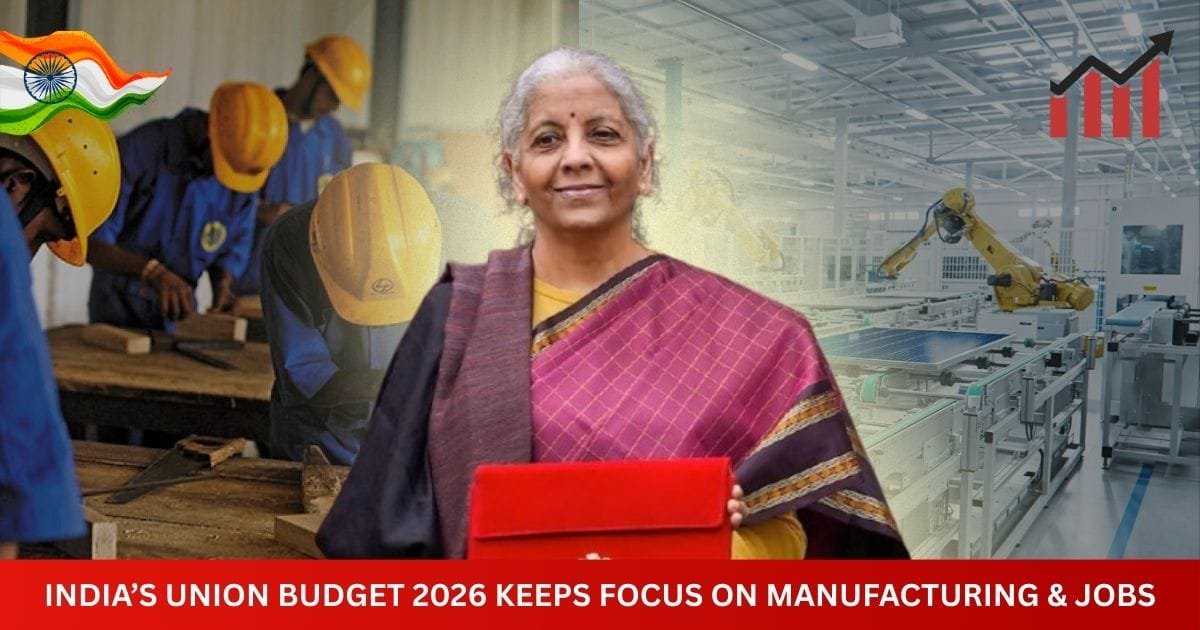
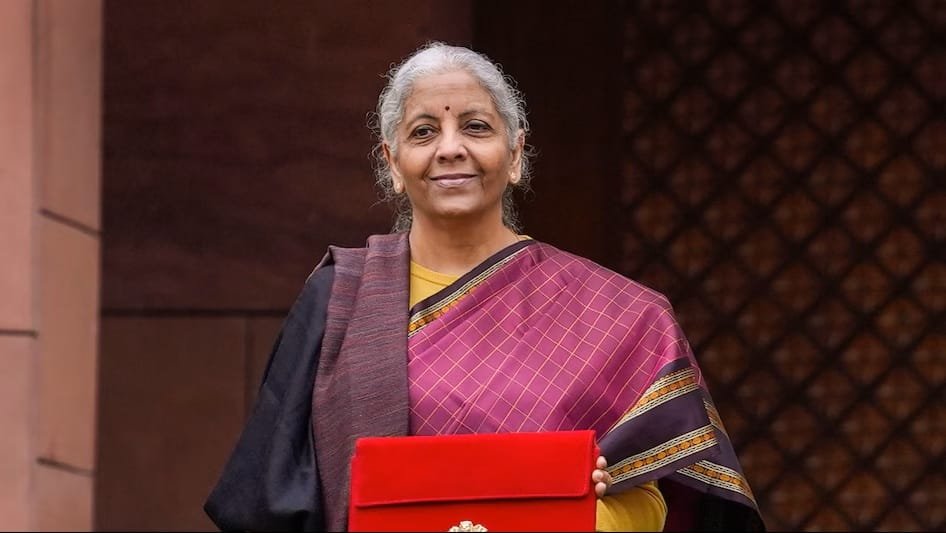
India’s Union Budget 2026–27 signals a decisive shift towards manufacturing-led job creation as the government looks to convert economic ambition into real opportunities on the ground. Presented by Finance Minister Nirmala Sitharaman in Parliament on February 1, the Budget arrives at a time when global supply chains are being restructured and countries are competing to attract long-term industrial investment.
Against this backdrop, the government has placed manufacturing at the heart of its growth strategy, using it as a tool to generate employment, strengthen exports, and reduce import dependence. From advanced semiconductor production to labour-intensive textile manufacturing, the Budget outlines a broad-based approach designed to create both future-ready skilled jobs and large-scale employment across regions.
Table of Contents
ToggleManufacturing Emerges as the Growth Engine
The Union Budget 2026–27 clearly positions manufacturing as a central pillar of India’s economic roadmap. The government aims to accelerate industrial growth by combining sustained public investment with policy stability, regulatory clarity, and targeted sectoral support.
This renewed manufacturing push is aligned with the broader vision of Atmanirbhar Bharat, focusing on building domestic capabilities while remaining deeply connected to global markets. The objective is not only to expand production but also to ensure that manufacturing growth translates into stable and meaningful employment.

Semiconductor Mission Strengthens High Skill Employment
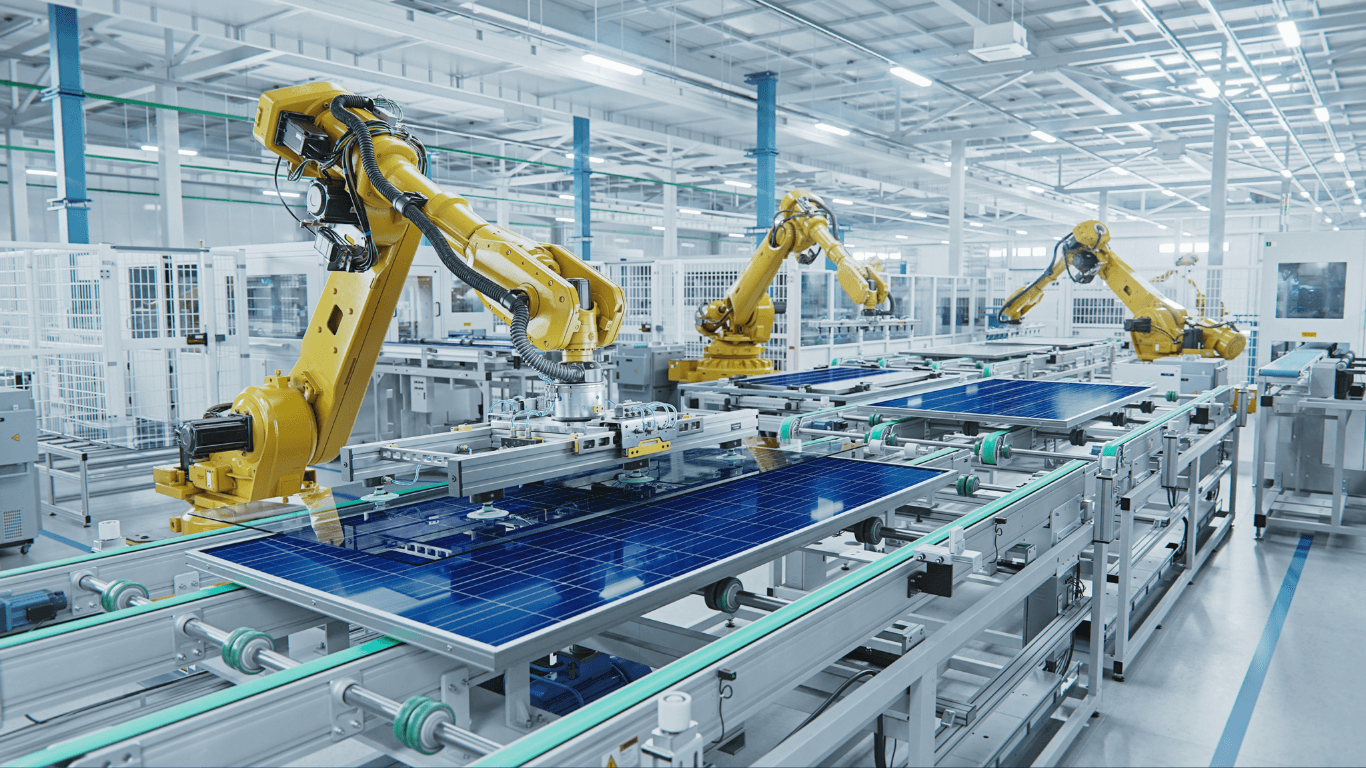
One of the most significant announcements in the Budget is the expansion of the India Semiconductor Mission 2.0, with an enhanced allocation of ₹40,000 crore. The initiative seeks to develop a comprehensive semiconductor ecosystem covering manufacturing, equipment, materials, and chip design.
Semiconductors are a critical input for a wide range of industries, including electronics, electric vehicles, telecommunications, artificial intelligence, and defence manufacturing. By investing in this sector, the government aims to position India as a reliable alternative in global chip supply chains.
Key objectives of the Semiconductor Mission include:
- Expanding domestic chip manufacturing capacity
- Reducing reliance on imported semiconductors
- Creating high-skilled jobs in engineering, research, and advanced manufacturing
- Supporting downstream industries that depend on chip availability
This focus on semiconductors reflects a long-term strategy to secure India’s technological future while creating high-value employment opportunities for the youth.
Textiles Drive Mass Jobs and Regional Growth
Alongside high-technology manufacturing, the Budget also reinforces support for the textile sector, one of India’s largest sources of employment. The continued development of mega textile parks under the PM MITRA scheme is aimed at modernising traditional textile clusters and improving productivity.
Textiles play a crucial role in job creation, particularly for women and workers in semi-urban and rural areas. The integrated parks are designed to bring together the entire value chain, from fibre and yarn to finished garments, helping manufacturers achieve scale and efficiency.
The textile push focuses on:
- Large-scale employment generation
- Strengthening export competitiveness
- Supporting traditional manufacturing clusters
- Improving technology adoption and skill development
By combining infrastructure support with policy incentives, the government aims to revive textile manufacturing as a key driver of inclusive growth.
Linking Manufacturing to Global Trade Opportunities

The manufacturing strategy outlined in Budget 2026 is closely connected to India’s expanding network of free trade agreements. With preferential market access secured through recent trade deals, the government is keen to ensure that Indian manufacturers are well-positioned to take advantage of global demand.
Strengthening domestic manufacturing capacity allows Indian firms to compete effectively in international markets, particularly in sectors such as textiles, electronics, and engineering goods. The Budget’s emphasis on manufacturing is intended to ensure that trade agreements result in higher exports, increased production, and more jobs within the country.
Balanced Approach Across Skill Levels
A key strength of the Budget’s manufacturing focus lies in its balanced approach. By supporting both capital-intensive and labour-intensive sectors, the government aims to address employment needs across different skill levels.
This dual strategy ensures that:
- High-skill jobs are created through advanced manufacturing and technology sectors
- Large-scale employment opportunities are generated through traditional industries
- Industrial growth is spread across regions rather than concentrated in a few centres
Such an approach is expected to strengthen economic resilience while supporting inclusive development.
Investment Climate and Long Term Confidence
Beyond sector-specific measures, the Budget also emphasises the importance of creating a stable and predictable investment environment. Simplified regulations, tax certainty, and infrastructure-led development are expected to encourage private investment in manufacturing.
The government’s continued focus on public capital expenditure is designed to crowd in private investment, improve logistics, and reduce costs for manufacturers. Together, these measures aim to build long-term confidence among domestic and global investors.

Manufacturing at the Core of India’s Economic Future
The Union Budget 2026–27 underlines the government’s belief that manufacturing will play a decisive role in shaping India’s economic trajectory. By strengthening both high-tech industries and labour-intensive sectors, the Budget seeks to generate employment, boost exports, and advance self-reliance.
As global supply chains continue to evolve, India’s manufacturing push—anchored in jobs, investment, and Atmanirbharta—positions the country to emerge as a competitive and resilient industrial economy in the years ahead.
Bluegrass Legend Ronnie Bowman Passes Away at 64 Following Motorcycle Accident The music world is mourning the loss of Ronnie […]

Digital Blackout : Thousands of X Users Locked Out in Global Crash
Digital Blackout : Thousands of X Users Locked Out in Global Crash Users across India and the globe are facing […]

5 High-Protein Breakfast Recipes for Weight Loss and All-Day Energy
Starting your day with a sugar-heavy cereal or just a cup of coffee is like trying to drive a car on an …

Sesame Seeds: The Tiny Powerhouse with 8 Times More Calcium Than Milk When you think of calcium, a tall glass […]

Google Rushes Chrome Update to Patch Two Active Zero-Day Bugs
Google Releases Emergency Chrome Update to Fix Two Actively Exploited Zero-Day Vulnerabilities Google has released an emergency security update for […]

Google Brings Built-In AI Features to Chrome in India With Support for 8 Indic Languages
Google Brings Built-In AI Features to Chrome in India With Support for 8 Indic Languages Google has announced the integration […]


