Bangladesh Withdraws from T20 World Cup Matches in India Amid Growing Tensions
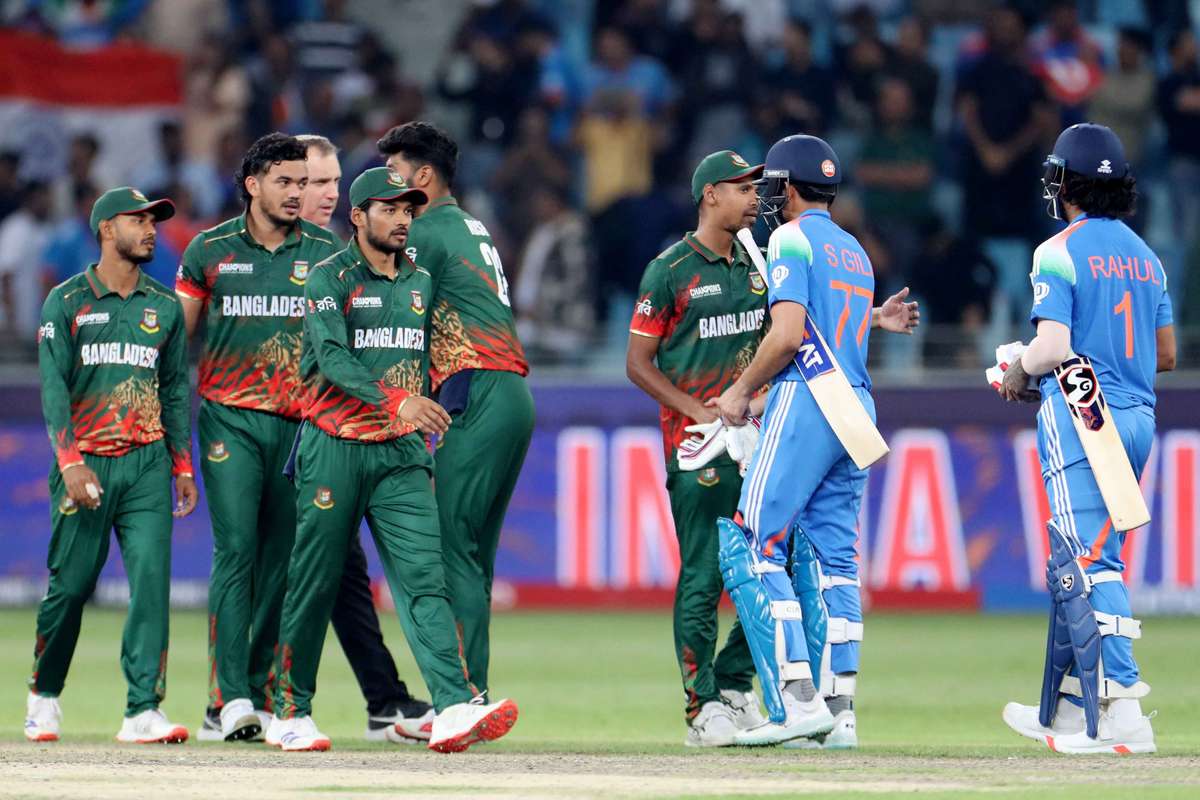
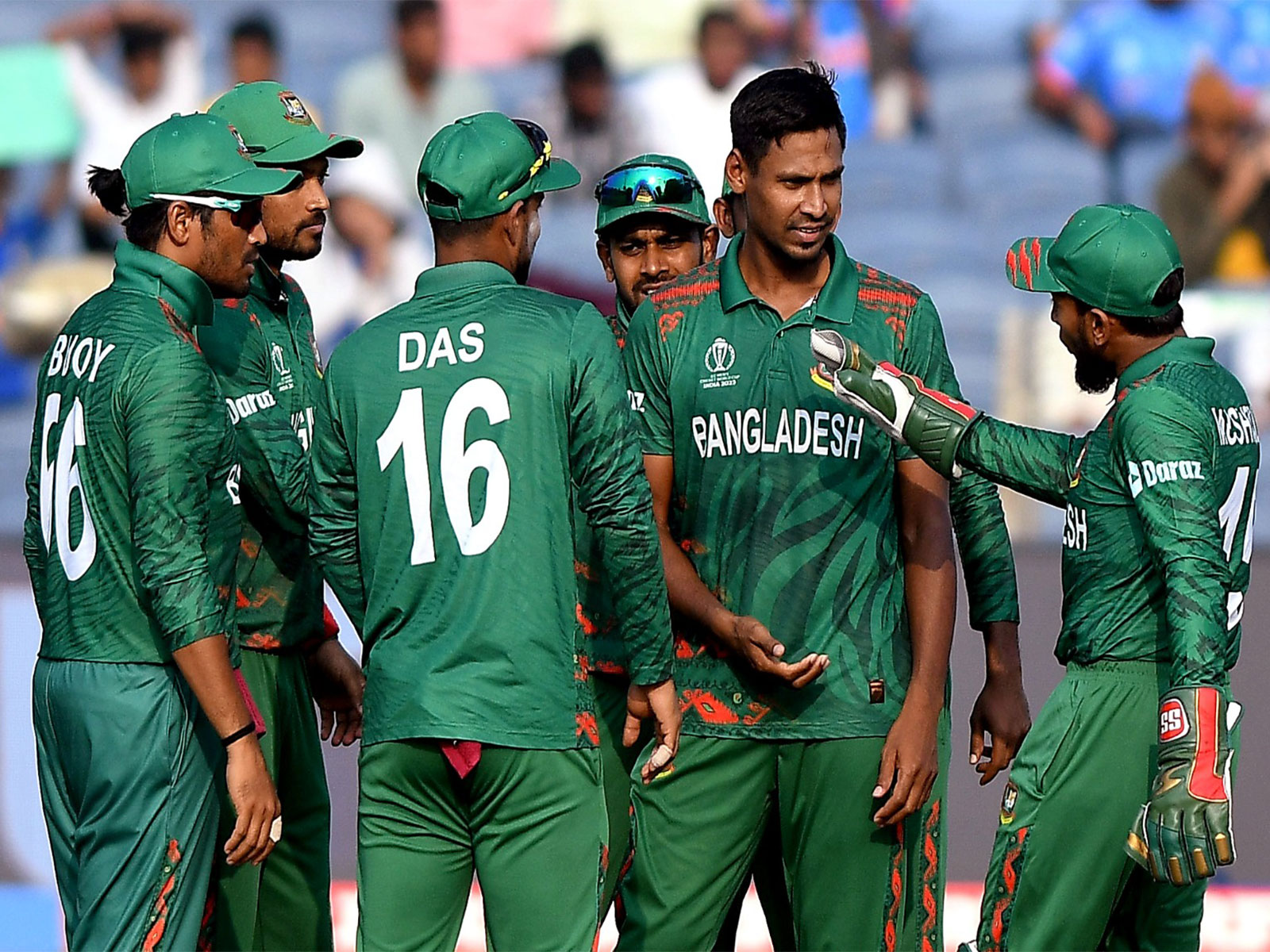
Bangladesh withdraws from T20 World Cup matches in India following rising diplomatic and security concerns between the two neighboring countries. In a significant development ahead of the upcoming ICC Twenty20 World Cup, the Bangladesh Cricket Board (BCB) has officially announced that the national team will not travel to India for their scheduled matches. The decision comes after a comprehensive assessment of player safety, government advice, and recent events that have strained bilateral relations.
Safety Concerns Drive Bangladesh’s Decision
The Bangladesh Cricket Board clarified that the withdrawal was not taken lightly. According to an official BCB statement, the board conducted a thorough evaluation of the prevailing situation in India, particularly regarding the safety and security of Bangladeshi players and officials. After consultations with the Bangladesh government, the board unanimously decided that traveling to India under current circumstances would pose unacceptable risks.

The T20 World Cup, scheduled from 7 February to 8 March, is being co-hosted by India and Sri Lanka. Bangladesh were set to play three group-stage matches in Kolkata before concluding their group fixtures in Mumbai. However, given the escalating tensions, the BCB has formally requested the International Cricket Council (ICC) to relocate all of Bangladesh’s matches to a venue outside India, preferably Sri Lanka.
Table of Contents
ToggleGovernment Support and Political Context
Bangladesh’s stance has been strongly supported by senior government officials. Asif Nazrul, adviser to the Ministry of Youth and Sports, publicly stated that Bangladesh would not send its cricket team to India amid growing concerns. He emphasized that the decision aligns with national interests and player safety, adding that he instructed the BCB to formally request a venue change from the ICC.
Nazrul also criticized what he described as an “extreme communal policy” by India’s cricket authorities, suggesting that the broader political climate has made participation in India increasingly difficult for Bangladeshi athletes.
Recent Incidents Worsen Bilateral Relations
Relations between India and Bangladesh have deteriorated over recent months due to a series of sensitive incidents. One major flashpoint occurred last month when Dipu Chandra Das, a Hindu factory worker in Bangladesh’s Mymensingh district, was beaten and set on fire by a mob that accused him of making derogatory remarks about Prophet Muhammad. The incident sparked outrage and protests, including demonstrations near Bangladesh’s High Commission in New Delhi.
Bangladesh authorities arrested 12 individuals in connection with the killing, but the event intensified diplomatic tensions. This came on top of existing strains after Bangladesh’s former prime minister Sheikh Hasina fled to New Delhi following mass protests against her leadership. Together, these developments have created a volatile environment that has spilled over into the sporting arena.

Mustafizur Rahman’s IPL Release Sparks Alarm
Another major factor influencing Bangladesh’s withdrawal was the sudden release of star fast bowler Mustafizur Rahman from his Indian Premier League (IPL) franchise. Rahman, who had been signed by the Kolkata Knight Riders for 92 million Indian rupees (approximately $1 million), became the most expensive Bangladeshi player in IPL history.
However, just weeks after the auction, the franchise announced that Rahman had been released at the request of India’s cricket board, the Board of Control for Cricket in India (BCCI). The unexpected decision raised serious concerns within the BCB regarding the treatment and security of Bangladeshi cricketers in India.
Following Rahman’s release, the BCB convened an emergency meeting, during which the board concluded that if a contracted Bangladeshi player could not play safely in India, the national team could not reasonably be expected to feel secure during a major international tournament.
BCB Seeks Clarification from BCCI
On Sunday, cricket news outlet Cricbuzz reported that the BCB plans to seek a formal explanation from the BCCI regarding Mustafizur Rahman’s release. The board believes that transparency is essential, especially given the broader implications for international cricket and player safety.
Asif Nazrul echoed this concern, stating that the incident sent a troubling message. According to him, the inability of a Bangladeshi cricketer to honor a professional contract in India undermines confidence and raises questions about fairness and equal treatment.
ICC’s Role and Possible Relocation
The ICC now faces the challenge of addressing Bangladesh’s request while maintaining the integrity of the tournament. Relocating matches is not unprecedented. In 2024, the ICC allowed India to play Champions Trophy matches in the United Arab Emirates due to strained relations with host nation Pakistan.
This precedent strengthens Bangladesh’s case for relocation, particularly if the ICC prioritizes player safety and diplomatic sensitivity. Sri Lanka, as a co-host, is seen as a viable alternative venue that could accommodate Bangladesh’s matches without disrupting the tournament schedule significantly.
Impact on the T20 World Cup Group Stage
Bangladesh were scheduled to face West Indies, England, and Italy in Kolkata, followed by a final group-stage match against Nepal in Mumbai. If the ICC approves the relocation, these fixtures may be shifted entirely to Sri Lanka or another neutral venue.
Such a move would require logistical adjustments but could help preserve the competitive balance of the tournament. For fans, the decision may be disappointing, but for players, it offers reassurance that their safety remains the top priority.
Cricket Beyond the Boundary
The situation highlights how cricket, often seen as a unifying force in South Asia, can also become entangled in political and social tensions. While sports ideally remain separate from politics, reality often dictates otherwise. In this case, Bangladesh’s withdrawal reflects a broader concern for dignity, security, and mutual respect in international sport.
Conclusion
Bangladesh’s decision to withdraw from T20 World Cup matches in India marks a significant moment in international cricket. Driven by safety concerns, political tensions, and recent developments involving player treatment, the move underscores the complex relationship between sport and geopolitics. As the ICC deliberates on the next steps, the focus remains on ensuring a fair, secure, and inclusive tournament for all participating nations. Ultimately, the situation serves as a reminder that player safety and mutual respect must always take precedence over schedules and venues.
ChatGPT Health: Powering the Next Era of Digital Health
OpenAI has officially introduced ChatGPT Health, a dedicated and secure experience designed to help people better understand and manage their health information. …
Acer CES 2026 Unveils Predator & Nitro Gaming Laptops, AI PCs
At the Consumer Electronics Show (CES) 2026, Acer made a strong statement by expanding its presence across gaming, artificial intelligence computing, and …
Microsoft Teams 2026 Powers Calls and Meetings with AI
Microsoft has kicked off 2026 with a major upgrade to Microsoft Teams, reinforcing its position as one of the most widely used …
India Women vs Sri Lanka: Deepti Sharma Powers 5-0 Sweep
India capped off a memorable year in women’s cricket with another commanding performance as they completed a 5-0 clean sweep over Sri …
Viksit Bharat: PM Modi Urges Manufacturing & Services Growth
Prime Minister Narendra Modi has called upon States to actively promote manufacturing, enhance the Ease of Doing Business, and collectively work towards …
H3N2 Flu in Delhi: Symptoms, Risks, and Recovery Guide
The outbreak of H3N2 flu in Delhi has raised serious health concerns across the national capital. Hospitals have issued alerts, urging citizens …