
A year after Noel Tata took over as chairman of Tata Trusts, a new chapter of internal conflict—popularly termed Noel Tata vs Mistry Quartet—has surfaced, drawing attention from both the government and corporate India. The situation, unfolding at one of India’s most respected business institutions, has raised serious questions about governance, leadership, and the delicate balance of power within the Tata Group’s philanthropic arm.
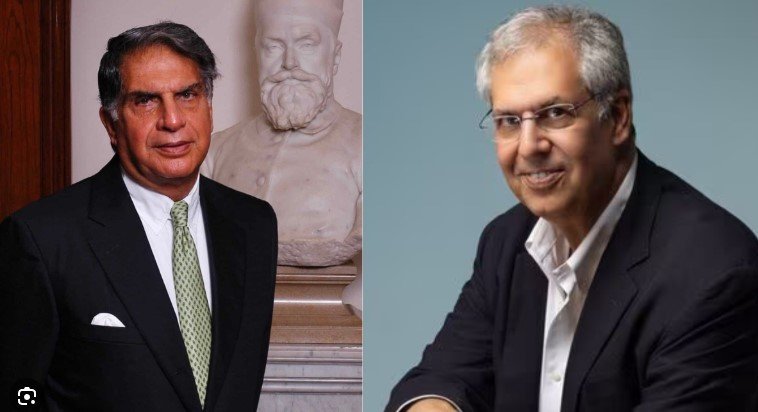
The central government’s recent involvement underscores the seriousness of the matter. Senior officials, including Union Home Minister Amit Shah and Finance Minister Nirmala Sitharaman, met key trustees in New Delhi on October 7 in an attempt to defuse tensions. While no official decisions have been made public, the meeting marks a rare instance of government engagement in a private corporate entity’s internal affairs.
What’s at Stake in the Noel Tata vs Mistry Quartet Row
At stake is the governance structure of Tata Trusts, which holds nearly 66% of Tata Sons, the principal holding company of the Tata Group. This holding gives the Trusts decisive control over the direction of one of India’s largest and most valuable conglomerates—spanning businesses like Tata Motors, Tata Steel, TCS, and Titan.
The current dispute revolves around differences in leadership vision and the role of trustees in overseeing Tata Sons. While the Trusts’ board is meant to guide philanthropic and strategic initiatives, insiders claim that personal and power-related differences have caused a rift within the trustees themselves.
The Noel Tata vs Mistry Quartet conflict has also triggered concerns about how India’s oldest and most respected corporate trust manages succession and governance—issues that have long defined the Tata Group’s stability and reputation.
The Key Players
At the heart of this internal power struggle are seven key figures divided into two camps:
The Noel Tata Camp
Noel Tata – Chairman of Tata Trusts and Tata International.
N. Chandrasekaran – Chairman of Tata Sons, aligned with Noel Tata and a key figure in maintaining operational continuity.
Venu Srinivasan – Trustee of Tata Trusts, supporting Noel Tata’s leadership.
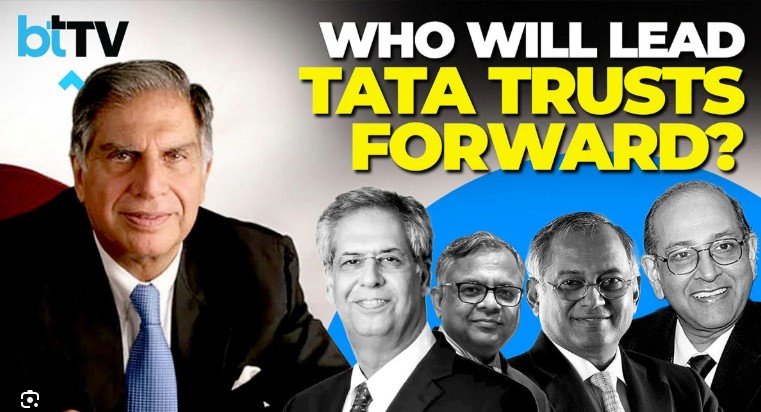
The Mistry Quartet
Darius Khambata – Trustee, known for his independent stance; attended the recent government meeting with the Noel Tata camp.
Jehangir H.C. Jehangir – Trustee of Tata Trusts.
Mehli Mistry – Trustee and long-time associate of the late Ratan Tata.
Pramit Jhaveri – Trustee and former banker, part of the Quartet.
Conflicting Narratives
Those close to Noel Tata allege that the Mistry Quartet attempted to function as a “super board”, undermining the chairman’s leadership. According to a CNBC-TV18 report, sources claim that “there is a coup attempt by four trustees who tried to emasculate the leadership of Noel Tata.”
However, the trustees identified with the Mistry Quartet have firmly rejected these allegations, describing them as “false and misleading.” They argue that such claims aim to create division and discredit them publicly. It’s worth noting that all four trustees had voted in favour of Noel Tata’s appointment as chairman after Ratan Tata’s passing, making the accusations of rebellion all the more complex.
Government’s Quiet Mediation
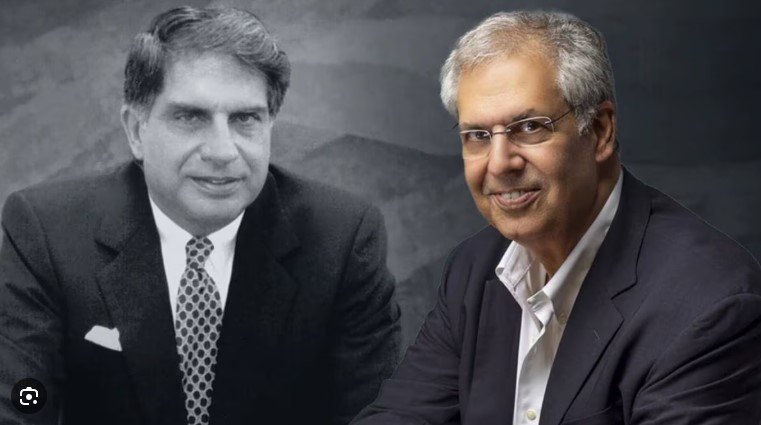
The situation escalated when Noel Tata, along with N. Chandrasekaran, Venu Srinivasan, and Darius Khambata, met with Home Minister Amit Shah and Finance Minister Nirmala Sitharaman on October 7. While the meeting’s details remain undisclosed, it signals growing concern within government circles about the potential implications of instability at Tata Trusts, an institution that plays a vital role in India’s economy and philanthropy.
According to insiders, the government’s priority is to ensure that philanthropic commitments and corporate governance within Tata Trusts remain unaffected. Officials reportedly urged both factions to prioritize harmony ahead of the upcoming board meeting on October 10, which will focus exclusively on philanthropic initiatives worth ₹1,000 crore.
The Legacy Factor
To understand the Noel Tata vs Mistry Quartet issue, one must look at the historical and emotional weight of Tata Trusts. The Trusts, established by Jamsetji Tata and later guided by Ratan Tata, have been the moral and strategic backbone of the Tata Group. They control a majority stake in Tata Sons, ensuring that the Group’s profits fuel philanthropy, education, and social welfare across India.
After Ratan Tata’s passing, Noel Tata was seen as the natural successor due to his family lineage and long association with the group. His elevation to chairman in 2023 marked a smooth transition—until internal disagreements began surfacing over decision-making authority and the scope of trustees’ involvement.
Philanthropy vs. Power Politics
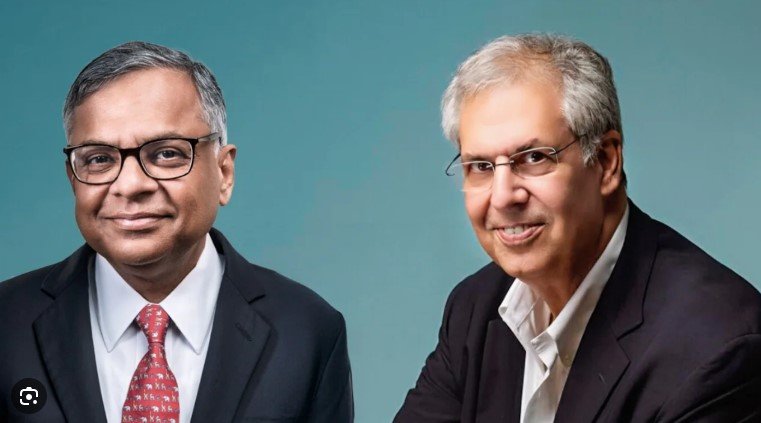
Insiders suggest that while the October 10 board meeting of Tata Trusts is officially focused on philanthropic initiatives, much of the attention will remain on the ongoing internal dispute. The meeting is expected to reaffirm the Trusts’ commitment to its ₹1,000 crore charitable projects, emphasizing that governance issues will not derail philanthropic missions.
However, the Noel Tata vs Mistry Quartet episode underscores the tension between philanthropy and power—a delicate balance that the Tata Group has historically managed with grace. Observers say that if left unresolved, the rift could risk tarnishing the image of an institution revered for its ethics and long-term vision.
The Bigger Picture
The Tata Group’s influence stretches across 400+ companies, with combined revenues exceeding hundreds of billions of dollars. Any instability at the Trusts level could ripple through its subsidiaries and even impact investor confidence in the broader Indian corporate landscape.
Analysts note that this internal feud is less about financial control and more about leadership legitimacy and governance philosophy. While Noel Tata represents continuity and legacy, the Mistry Quartet symbolizes a push for collective oversight and reform. How these differing philosophies reconcile will determine the future of Tata Trusts and possibly reshape the governance model for Indian conglomerates.
Conclusion: Balancing Legacy and Leadership
As the Noel Tata vs Mistry Quartet standoff unfolds, the immediate focus remains on ensuring stability within Tata Trusts and preserving the philanthropic vision of Ratan Tata. The government’s involvement signals how deeply the Trusts’ operations are intertwined with India’s corporate and social fabric.
Whether the dispute ends in reconciliation or restructuring, one thing is clear—the outcome will influence not just the future of Tata Trusts, but also the governance norms of corporate India’s most admired business house. For now, stakeholders hope that dialogue, not division, will guide the next chapter of this iconic institution.