
Adani Ports sanctions policy has become the center of discussion in global trade and geopolitics. Recently, Adani Ports and Special Economic Zone Ltd (APSEZ) issued an advisory to shipowners and operators stating that its ports will not accept any vessel sanctioned by the US, UK, EU, or the United Nations. This move signals a strong commitment to compliance with international laws while protecting the commercial interests of India’s largest private port operator.
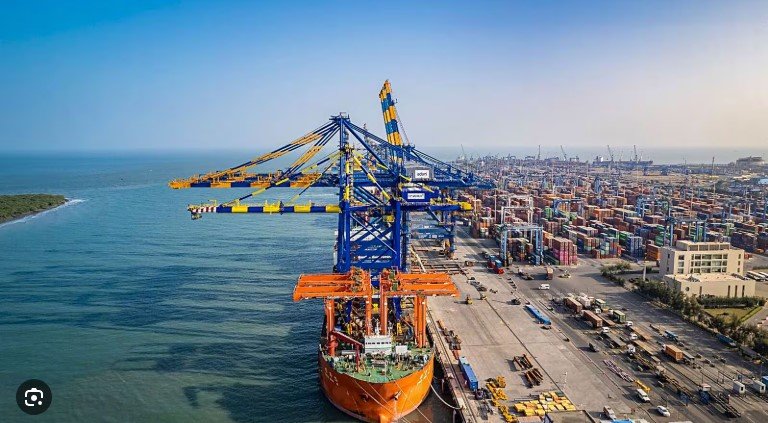
The development is crucial not only for Adani Group but also for India’s broader trade and energy dynamics, especially amid rising sanctions on Russian oil shipments and global shipping activities.
Why Adani Ports Announced the Sanctions Policy
In its official communication to stakeholders including shipowners, charterers, and operators, APSEZ made it clear that sanctioned vessels will not be allowed entry, berthing, or access to port services.
According to people aware of the matter, this step is aimed at:
Ensuring compliance with global sanctions frameworks.
Protecting the legal and commercial integrity of the ports.
Avoiding reputational risks associated with handling sanctioned vessels.
By proactively issuing this advisory, Adani Ports is aligning itself with global trade norms while minimizing exposure to regulatory scrutiny.
The Global Context: Sanctions on Russian Oil and “Shadow Fleets”
The timing of the Adani Ports sanctions policy coincides with increasing international sanctions on vessels carrying Russian crude oil.
The US and EU have already sanctioned several ships involved in transporting Russian oil.
In July, the EU introduced a new price cap on Russian oil and expanded sanctions on “shadow fleet” ships—vessels that operate with limited transparency and are widely used to move Russian crude.
The US also imposed a 25% tariff on Indian exports linked to crude oil purchases from Moscow.
Given India’s dependence on Russian oil imports, these sanctions have put New Delhi in a delicate position.
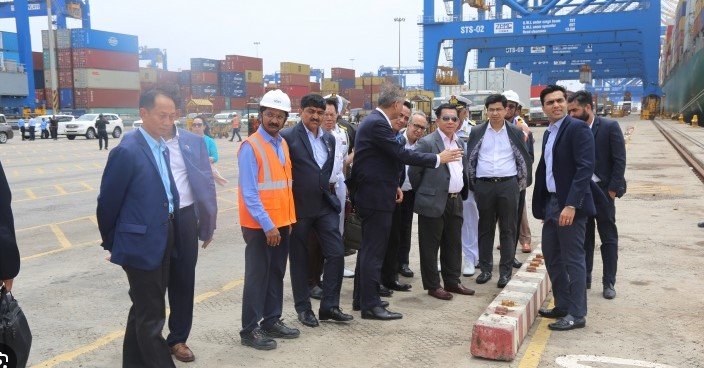
India’s Position in Global Oil Trade
India is currently the second-largest buyer of Russian crude oil. After the Russia-Ukraine conflict began, Moscow became India’s top oil supplier, offering significant discounts.
Key figures:
In FY22, Russia overtook traditional suppliers to become India’s largest crude supplier.
Between April and July FY26, India imported $16.18 billion worth of oil from Russia, down from $19.46 billion in the same period a year earlier.
Russia’s share in India’s oil import basket now stands at 32%, compared to 38% a year ago.
While imports have declined due to shrinking discounts and global volatility, Russia remains vital to India’s energy security.
Adani Ports: India’s Gateway to Global Trade
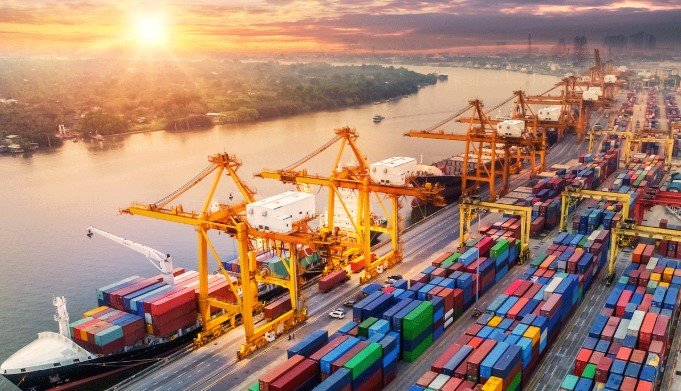
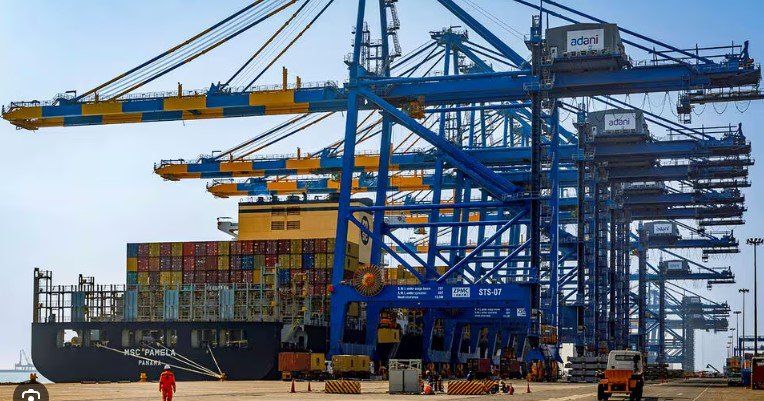
Adani Ports is not just India’s largest private port operator; it plays a strategic role in global trade.
Operates 14 major ports across India, handling a substantial share of the country’s cargo traffic.
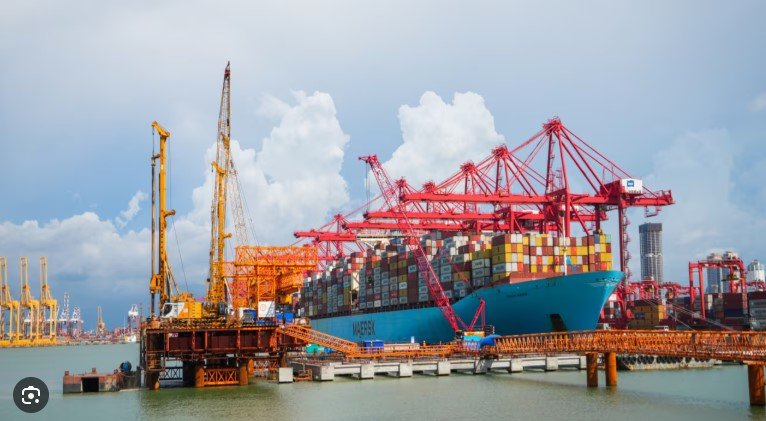
Manages international facilities, including Haifa Port in Israel and Colombo Port in Sri Lanka.
Serves as a crucial node for energy imports, containerized cargo, and bulk commodities.
The Adani Ports sanctions policy reinforces the company’s commitment to safeguarding its global business presence while maintaining strong ties with international regulators.
Implications of the Sanctions Policy
1. For Global Shipping
Shipowners and charterers operating sanctioned vessels will now have fewer options in India. This policy limits the ability of shadow fleets to dock at India’s busiest private ports.
2. For Indian Trade
The move may reduce short-term flexibility for Indian traders importing Russian oil. However, it also protects Indian ports from legal entanglements with Western regulators.
3. For Adani Group
By adopting a strict stance, Adani Ports is sending a clear message to global stakeholders: compliance and credibility matter more than short-term trade gains. This could enhance its reputation among international partners and investors.
Balancing Trade and Compliance
India’s stance on Russian oil has been clear—New Delhi has consistently argued that purchases are based on domestic demand and energy security needs. However, port operators like Adani Ports must navigate a more complex environment where global sanctions could impact operations.
By implementing this sanctions policy, Adani Ports is effectively balancing India’s trade interests with international compliance requirements.
Expert Opinions and Industry Reactions
Industry experts view this as a prudent step:
Compliance Specialists argue that such policies are necessary for large operators with international exposure.
Shipping Analysts note that this may push shadow fleet vessels to smaller, less regulated ports.
Energy Experts highlight that while India may continue buying Russian oil, stricter port policies could reshape logistics chains.
The long-term impact will depend on how strictly the policy is enforced and whether other Indian ports adopt similar measures.
Strategic Importance of the Policy
The Adani Ports sanctions policy is not just about compliance—it has strategic importance:
Aligns India’s largest port operator with international norms.
Reduces risks of secondary sanctions on Indian businesses.
Demonstrates corporate responsibility at a time of heightened geopolitical tensions.
This proactive approach may also help Adani Ports expand its overseas operations, as global investors prefer companies that adhere to international regulations.
What This Means for India’s Future Trade
India’s role as a key oil importer means policies like this will have far-reaching effects:
Traders will have to ensure that vessels carrying crude or other cargo are not under sanctions.
Shipping routes may be adjusted to avoid compliance risks.
Smaller ports might see more activity if they do not adopt similar restrictions.
Nevertheless, Adani’s decision sets a benchmark that could encourage broader industry alignment with international sanctions.
Conclusion: Adani Ports Sanctions Policy Marks a New Era in Compliance
The announcement by Adani Ports to bar vessels facing sanctions from the US, UK, EU, and UN is a landmark decision in India’s maritime sector. The Adani Ports sanctions policy highlights the company’s commitment to international law, risk management, and commercial integrity.
At a time when geopolitical tensions and sanctions are reshaping global trade, this policy strengthens Adani Ports’ reputation as a responsible global operator. For India, it underscores the delicate balance between securing energy needs and adhering to global trade norms.
Ultimately, the decision reflects a broader truth: in today’s interconnected world, compliance is not just a legal obligation—it is a strategic necessity.