
Educate, Empower, Heal: Training Youth as Health Educators in Rural Areas
In many rural areas, access to basic healthcare remains limited, and communities often lack accurate, culturally appropriate health information. Geographic isolation, a shortage of medical professionals, and persistent stigma around certain health topics leave millions at risk for preventable illnesses and misinformation.
One effective, sustainable solution lies within the communities themselves, young people. Rural youth health education can bridge critical gaps in public health, increase awareness, and create a ripple effect of informed, empowered action. By equipping youth with the tools to educate their peers and families, we lay the groundwork for stronger, healthier, and more resilient rural communities.
Why Rural Youth Health Education Matters
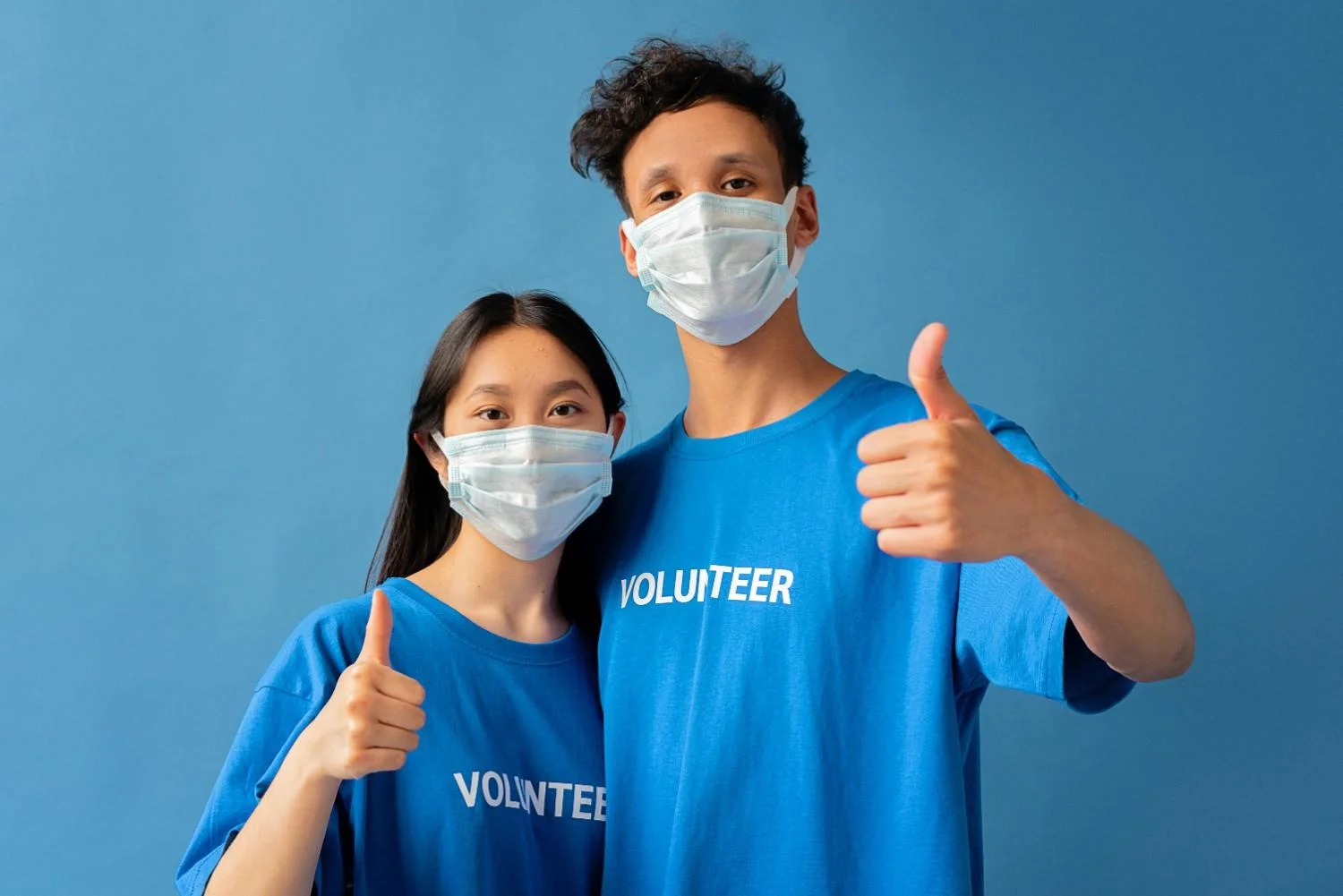
Young people are natural changemakers. They are energetic, adaptable, and often more open to new ideas. In rural communities, where cultural norms can shape health behaviors, youth can serve as relatable, trusted messengers. Their ability to communicate with both peers and older generations makes them effective conduits for promoting positive health practices.
Rural youth health education promotes peer-to-peer communication that feels accessible and trustworthy, community engagement rooted in local knowledge, and long-term change as young educators grow into health-conscious adults and leaders.
By investing in rural youth health education, we are not just improving individual outcomes, we are transforming the overall health landscape from within.
Core Areas of Health Education
To be effective, youth training must cover a wide range of health issues, tailored to the specific needs of rural populations. These topics should be grounded in practical knowledge and cultural sensitivity.
Table of Contents
Toggle1. Common Illnesses and Basic Care
Youth should understand how to recognize, prevent, and manage common illnesses, including coughs, colds, fevers, diarrhea, dehydration, skin infections, wounds, burns, malaria, dengue, and other vector-borne diseases.
They should also learn about hygiene practices such as handwashing, safe water use, food safety, and proper sanitation, all of which help prevent the spread of infectious diseases.
2. Nutrition and physical health
Malnutrition remains a concern in many rural areas, particularly among children and pregnant women. Youth can be taught to promote balanced diets using locally available foods, healthy eating habits for growing children and adolescents, the importance of physical activity, and basic cooking and food storage tips to retain nutrients and prevent illness.
3. Women’s and Reproductive Health
Taboos and misinformation often surround women’s health in rural communities. Trained youth, especially girls, can help foster open conversations around menstrual hygiene, prenatal and postnatal care, safe childbirth practices, maternal nutrition, reproductive rights, and contraception.
By breaking down stigma and offering accurate information, rural youth health education can improve women’s access to health resources and reduce preventable complications.
4. Adolescent Health
Adolescents often face unique health challenges, especially in areas where health education is limited. Key topics include puberty, sexual and reproductive health, preventing sexually transmitted infections, consent, healthy relationships, and emotional well-being.
Youth can create safe, non-judgmental spaces for discussing these issues, helping their peers make informed and responsible decisions.
5. Mental Health and Emotional Well-being
Mental health is frequently overlooked in rural health discussions, yet it is essential to overall wellness. Youth educators can help raise awareness about stress, anxiety, depression, emotional resilience, recognizing when to seek help, and challenging stigma around mental health.
They can also connect peers and families to available mental health resources or support services when needed.
6. Substance Abuse Awareness
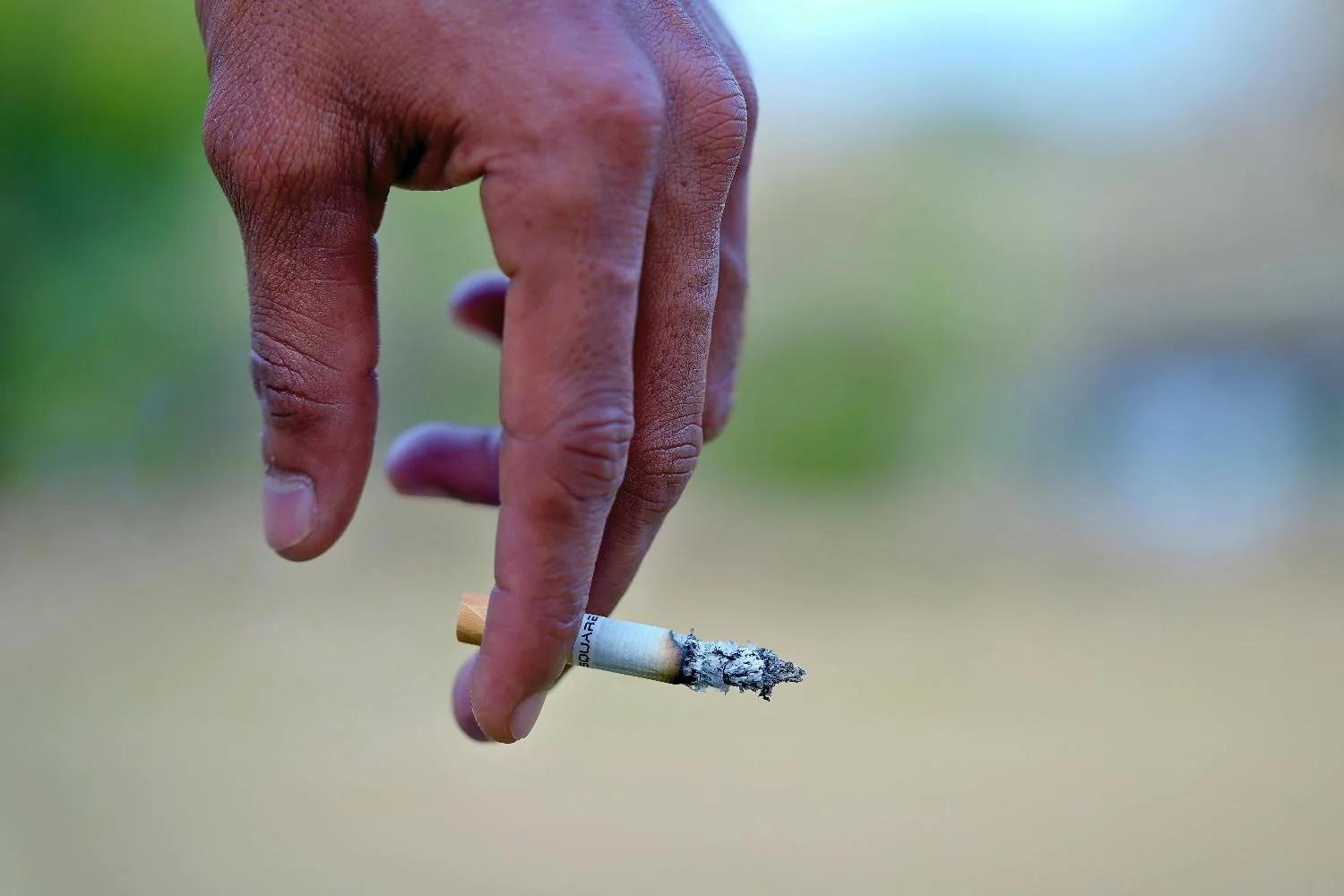
In some rural areas, alcohol, tobacco, and drug use are growing concerns. Youth educators can promote prevention by sharing information on the health risks of substance use, early warning signs of dependency, peer pressure resistance, and access to help for recovery support.
Training Youth: What it Involves
For rural youth health education to succeed, structured programs must provide young people with reliable, age-appropriate health information, communication skills, cultural sensitivity, confidentiality training, and ongoing support systems such as mentors or local health workers.
Training should use participatory methods like group discussions, visual aids, role-play, and real-life scenarios to ensure engagement and understanding. Programs must also consider gender dynamics, literacy levels, and access to digital tools.
Overcoming Barriers
While the potential of rural youth health education is clear, several challenges must be addressed:
- Cultural resistance, especially around sensitive health topics
- Gender inequality, where girls may be restricted from participating
- Limited resources, including funding, materials, or transportation
- Youth burnout, which can be prevented through support and recognition
Overcoming these barriers requires collaboration with local leaders, inclusive program design, and sustainable funding.
The Bigger Picture: Building Healthier Communities
Rural youth health education is not just about sharing facts. It transforms attitudes, builds confidence, and promotes self-sufficiency. These programs help communities adopt healthier practices, challenge misinformation, and encourage early care-seeking behavior.
The ripple effect of youth-led health education can be powerful. Informed youth influence families, peers, and communities. Over time, this contributes to better health outcomes, stronger community resilience, and a culture that values wellness.
Conclusion
To educate is to equip. To empower is to activate. To heal is to sustain.
Rural youth health education is a high-impact, community-centered strategy that addresses immediate health needs while building long-term capacity. Covering a wide range of topics, from common illnesses to adolescent well-being, it positions young people as drivers of meaningful health change.
By investing in youth, we invest in healthier futures for individuals, families, and entire communities.