
Technology in Organic Farming: Drones, Data and Dirt
Farming in India is changing in a big way. Traditional farming methods, which have been passed down for generations, are now being supported by modern tools. Fields that once relied only on manual labor and local knowledge are now using drones, data, and digital platforms. This change is not about replacing traditional farming but about making it smarter and more efficient.
The combination of traditional knowledge and technology in organic farming is helping farmers grow healthier food, protect the environment, and improve their incomes.
Table of Contents
ToggleBringing Tradition and Technology Together
Organic farming and crop rotation have always been part of Indian agriculture. These methods protect soil health, reduce the need for chemicals, and support biodiversity. But in the past, it was difficult to expand these methods because farmers lacked access to tools and support.
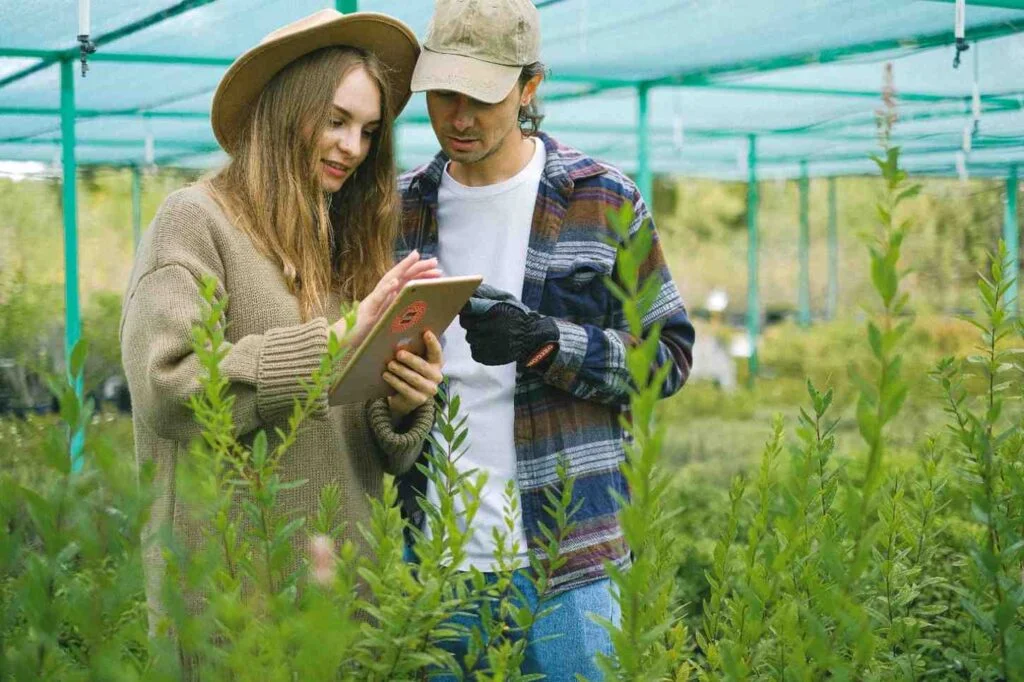
Today, technology in organic farming is making a big difference. With mobile apps, online guides, and affordable equipment, farmers can manage their land better. They can plan when to plant crops, check soil conditions, and apply compost or natural treatments more effectively. Solar-powered irrigation systems are also making water use more efficient and lowering energy costs.
How Drones Are Changing the Game
Drones are a powerful example of how technology in organic farming is helping Indian farmers. These flying tools can quickly cover large areas and give real-time information about crops. Drones can:
- Survey fields and check crop health
- Spray organic fertilizers and pest control products accurately
- Spot early signs of disease, pests, or poor plant growth
This helps farmers save time and reduce waste. In organic farming, where chemical use is limited, fast and accurate actions are very important. Drones make it easier to respond quickly and effectively.
Using Data for Better Decisions
One of the most useful parts of technology in organic farming is access to real-time data. With the help of mobile phones, sensors, and smart devices, farmers can track everything from soil moisture to weather changes.
Artificial intelligence and the Internet of Things provide data that can help farmers decide what to plant and when, how to manage pests without chemicals, when to water crops and how much, and what the market demand is for different crops
With this kind of support, farmers can improve crop health, reduce losses, and make better business decisions. For those practicing organic farming, this information is key to staying productive and profitable with fewer inputs.
Healthy Soil is Still the Foundation
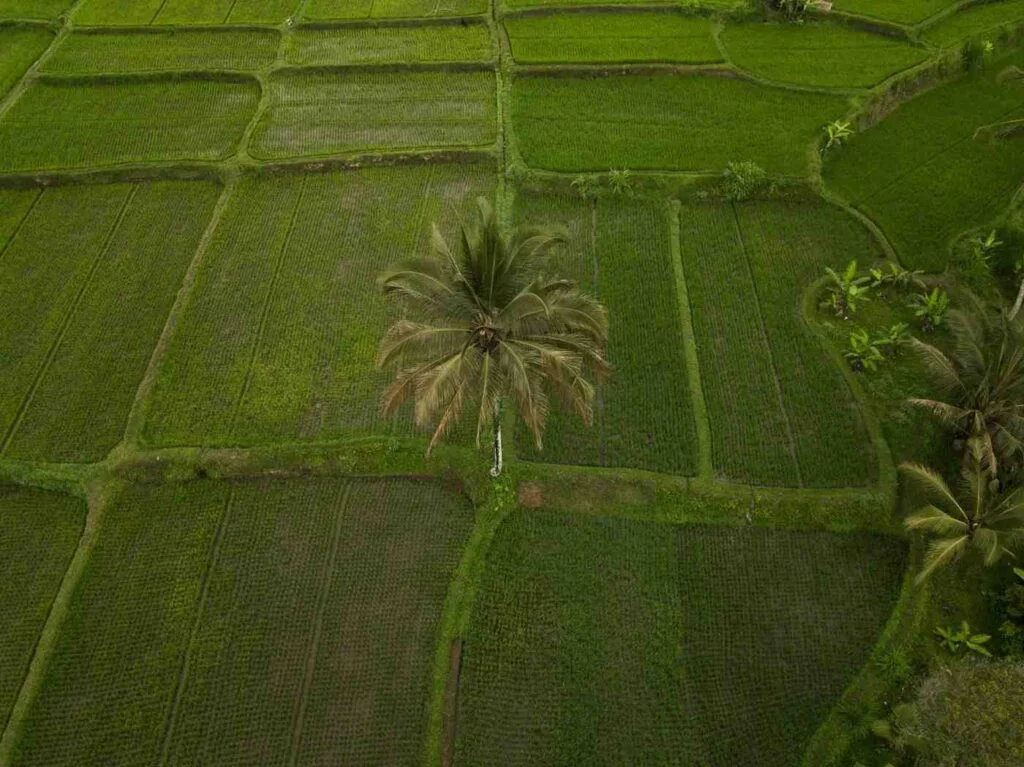
Even with all these new tools, the most important part of organic farming is still healthy soil. Technology in organic farming helps farmers understand and take care of their soil better than ever before.
- Sensors check the soil’s pH, temperature, and moisture
- Software tracks the effects of composting and crop changes
- Satellite images show changes in soil over time
These tools do not replace a farmer’s experience but add to it. They help farmers choose the right time to apply compost, plant cover crops, or irrigate. In a country where soil damage and water shortages are common, this kind of support is essential.
Connecting Farmers and Consumers Online
Another big change is how farmers sell their produce. Digital marketplaces now let farmers connect directly with buyers. This is a big win for those involved in organic farming, as they often grow crops for niche or health-conscious markets.
Farmers can now set better prices without going through middlemen, reach more customers who want organic products, and learn about new techniques, market trends, and customer needs. Technology in organic farming is not just helping in the fields; it is also helping farmers grow their businesses and build stronger relationships with consumers.
Growing Sustainably for the Future
India’s new path in agriculture is not just about producing more. It is about farming in a way that keeps the land healthy and supports future generations. Tools like drones, sensors, and artificial intelligence are helping reduce water use, limit pollution, and increase crop yields.
At the same time, practices like organic farming and crop rotation are keeping the soil fertile and encouraging biodiversity. This balance between tradition and technology in organic farming is creating a stronger, more sustainable food system.
Private companies, research groups, and farmer communities are all working together to make these tools more available and affordable. This is helping farmers of all sizes take part in the new farming revolution.
Conclusion
India is leading a new kind of farming revolution. It is one where tradition and innovation work side by side. With the help of technology in organic farming, Indian farmers are growing food in ways that are smarter, healthier, and more sustainable.
This blend of ancient wisdom and modern science is helping farmers improve their harvests, increase income, and protect the environment. As more farmers gain access to these tools, the future of Indian farming looks strong, balanced, and full of potential.
India’s story shows that when traditional knowledge and new technology grow together, the results benefit everyone- from the farmer to the consumer to the planet.