
From Farm to Plate: Understanding the Food–Nutrition Connection

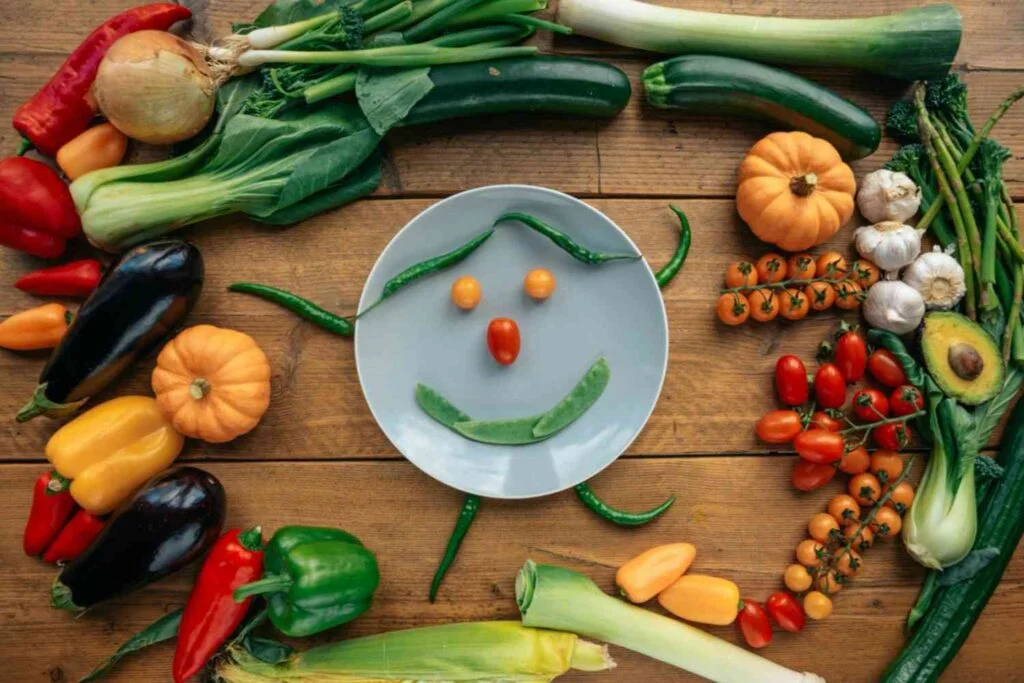
We often focus on what we eat, but rarely think about where our food comes from or the journey it takes to reach our plate. Yet every step in that journey ranging from how food is grown to how it is stored, transported, and chosen, has a direct impact on our health and well-being. This is the heart of the food–nutrition connection.

The “farm to plate” approach helps us understand that nutrition doesn’t start in the kitchen; it starts on the farm. By paying attention to how our food is produced and handled, we can make choices that are better for our bodies, better for the planet, and better for our communities.

Stick through till the end of the article to have a better understanding of the concept.

The Farm Stage : Where Nutrition Begins

The first step in the food–nutrition connection begins on the farm. This is where the quality of our food and its nutritional value is first determined. Let’s see how:

Preserving Nutrients

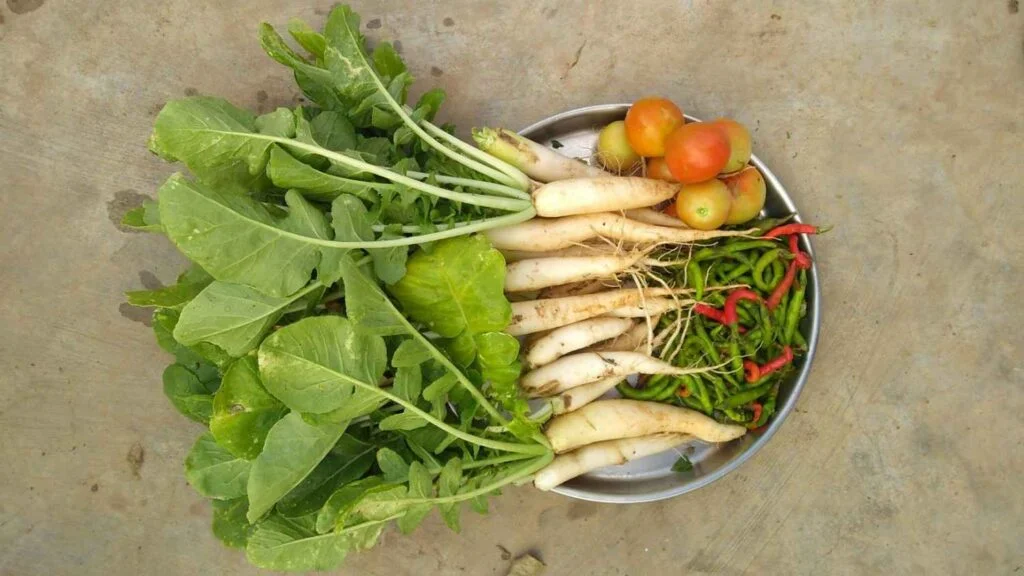
Fresh produce begins to lose vitamins and minerals soon after harvest. The quicker it moves from the farm to your plate, the more nutrients it retains.

Farming Practices Matter

Organic and regenerative farming techniques use fewer synthetic chemicals and focus on soil health. Healthy soil leads to more nutrient-rich crops, strengthening the food–nutrition connection from the ground up.

Reducing Food Miles

Food grown closer to home doesn’t travel as far, which means it’s often fresher, more nutritious, and comes with a smaller environmental footprint.


The Plate Stage: Where Making Informed Choices Matters

Once food reaches the market or store, the responsibility shifts to us. The choices we make at this stage play a key role in maintaining the food–nutrition connection. Here are some of the ways in which we can make smart choices:

Smart Shopping

Knowing where your food comes from helps you select items that are fresh, safe, and packed with nutrients.

Food–Nutrition Connection

Food Literacy

Understanding how your food is grown and processed helps you go beyond labels. It deepens your awareness of how food affects your health, your community, and the planet.

Balanced Eating Habits

The farm to plate mindset supports meals rich in fresh fruits, vegetables, whole grains, and lean proteins; foods that strengthen the food–nutrition connection and help reduce reliance on overly processed options.

Environmental and Community Benefits

The food–nutrition connection doesn’t just benefit your personal health; it supports environmental sustainability and local economies too.

Some of the environmental and community benefits are listed below:

Protecting Natural Resources

Local and sustainable farming practices reduce pollution, conserve water, and protect ecosystems.

Crop Diversity

Many small farms grow a variety of crops, which improves soil health and reduces the need for chemical pesticides.

Empowering Local Farmers

Buying local food supports family farms, ensures fair income, and keeps money circulating within the community.

Food–Nutrition Connection

Indulge in Safer, Smarter Eating

Shorter supply chains and better food handling practices strengthen the food–nutrition connection by making food not only more nutritious, but also safer to consume. With less travel time and fewer handling points, the risk of spoilage and contamination is significantly reduced.

Choosing seasonal produce further supports this connection, as it tends to be fresher, more flavourful, and better aligned with your body’s natural nutritional needs throughout the year.

Some Easy Ways to Support the Food–Nutrition Connection

Making a difference does not mean overhauling your entire lifestyle. Simple changes can help you align more closely with the food–nutrition connection:

    • Shop at local farmers’ markets.
    • Choose fruits and vegetables that are in season.
    • Eat fewer packaged and highly processed foods.
    • Learn about where and how your food is grown.
    • Plan meals to minimize food waste.


The journey from farm to plate is more than a supply chain. It’s a reflection of our values, our health, and our future. Strengthening the food–nutrition connection means making thoughtful choices that nourish our bodies, support sustainable farming, and uplift local communities.

By understanding where our food comes from and choosing fresh, local options, we take a powerful step toward a healthier life and a more resilient planet. Even small changes in how we buy, cook, and eat can lead to meaningful improvements for ourselves, and for the world we share.

Michael Carroll

The Rise and Fall of Michael Carroll: A Lottery Winner’s Journey In 2002, Michael Carroll’s life dramatically transformed when he […]

effect of organic farming on climate change

The Effect of Organic Farming on Climate Change From lowering greenhouse gas emissions to building resilience against extreme weather events, […]

healthy eating habits in kids

Kids and Nutrition: Why Healthy Eating Habits in Kids Matter Early Children learn by watching, tasting, and repeating. From their […]

plant-based diet

Plant-Based Power: Nutrition Benefits of Going Green Adopting a plant-based diet is more than a personal health choice, it is […]

role of nutrition

Role of Nutrition: Preventing Diabetes & High Blood Pressure Diabetes and high blood pressure are two of the most common […]

organic farming

What Is Organic Farming? A Beginner’s Guide to Going Green In today’s world, there is an increasing concern about the […]

Scroll to Top